After 3 decades, Crested Butte ski film company is still on tour
Every fall, professional skier Mark Abma makes his way back to Crested Butte.
For more than 20 years, Abma has made the trip to CB for Matchstick Productions’ annual ski-film world premiere — one stop on a tour that has been bringing skiers together every fall for more than three decades.
Abma, 46, has been part of Matchstick’s films since 2003, when he was a 23-year-old park skier in Whistler, British Columbia. More than two decades later, he’s still appearing in Matchstick flicks, including its 2026 film, “The Way Out,” which premieres Saturday in Crested Butte.
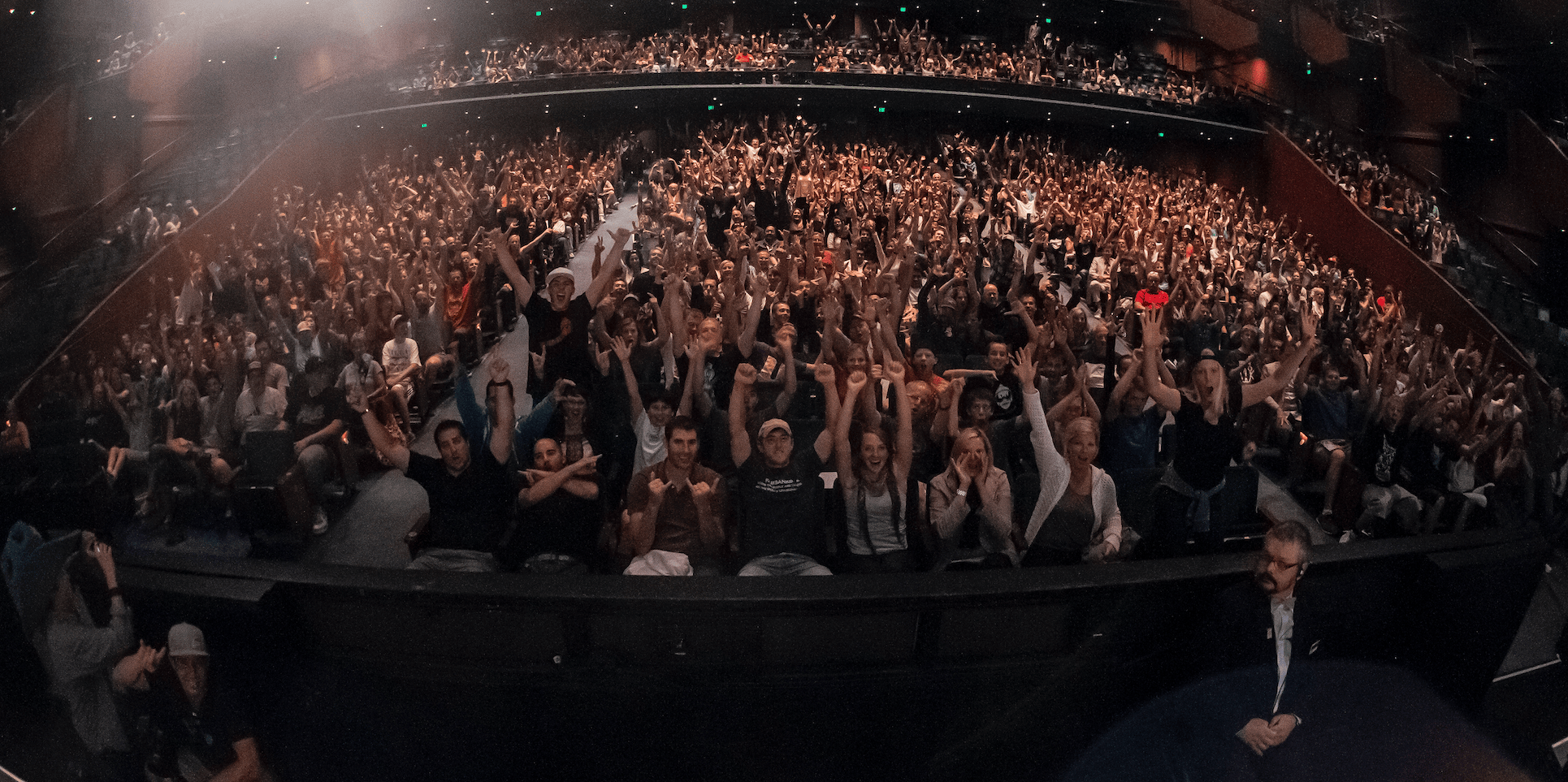
What keeps bringing him back, however, isn’t just the skiing. It’s the gathering that happens around the films.
A preseason ritual
For more than 75 years, ski-film tours have been a rite of fall. Ski-film legend Warren Miller pioneered the model in 1950, after people began asking him to screen and narrate the skiing and surfing films he had previously shared only with friends. Miller produced just one feature-length ski film a year, but the anticipation around each screening — a bunch of pow-hungry pals gathering to get stoked for winter — helped turn the movies into an annual ritual and, eventually, a business empire.
Matchstick Productions founder Steve Winter grew up watching those films. He was more inspired by filmmaker Greg Stump, whose irreverent movies “The Blizzard of Aahhh’s” and “License to Thrill” captured the kind of skiing Winter and his friends wanted to watch. But he also saw something in the way Miller’s tour brought people together before winter.
Despite the challenges of making action sports movies at the time, Winter wanted to make one himself. After moving to Crested Butte from Seattle in the early 1990s, he released Matchstick’s first film in 1993 and launched the company’s first tour, which was “maybe four showings, all in Colorado,” he said.
In the following years, Matchstick sent its films to ski clubs and gradually built its touring operation, renting venues, advertising shows and assuming the financial risk of bringing a movie to town.
The model became increasingly important as the ski-film industry went through a boom-and-bust cycle. By the late 1990s, Winter estimated there were about 60 companies making ski films. Most eventually disappeared, he said, “because none of them had a tour where they could control their own content.”
During the DVD era, Matchstick boomed, selling some 70,000 discs at $30 apiece. The money allowed the company to travel more and produce bigger films. Then DVDs collapsed, followed by the explosion of online video and social media, and suddenly skiers could watch extraordinary footage without leaving their phones.
Throughout it all, Matchstick kept its tour on the road.
“Having a tour is the only thing that’s kept us in business,” Winter said. And while the company once worried that releasing too much footage online would keep people from buying tickets, it eventually took the opposite approach.
“Even if we release clips on social, we’re not afraid. People will still come,” he said. “That attitude has allowed us to be successful.”
The company also stayed small, founder-owned and nimble, Winter said. While some competitors grew into much larger operations, Matchstick remained a relatively lean company, allowing Winter and co-founder Murray Wais to adapt as the business changed. The two have remained equal partners since Wais joined Winter in 1997.
Today, Matchstick produces roughly 30 tour stops itself and licenses its films to about 100 additional venues. Its filmmakers — and athletes starring in the films — often join the tour, bringing an additional level of stoke into ski communities across the country.
Matchstick has also been deliberate about the audience it wants to reach. Winter described Warren Miller as the broader, more accessible version of ski filmmaking, while Matchstick caters to “the 1% of skiing” — the people who live and breathe the sport.
That audience is part of what has allowed Matchstick to keep making films for more than three decades, Winter said. The company looks for the best skiers, often finding them before they are well known. “We find them when they’re young and hungry and epic,” he said.
And skiing has something working in its favor that other action sports don’t necessarily have: a natural annual gathering point. Every fall, before the snow flies, skiers are ready to get together and get stoked for the season ahead.
For Abma, the tour is part of that ritual. Every year, he travels to different stops, bringing his mountain bike to rip singletrack with local skiers and fans. He meets young kids who show up with the same energy he had when he was starting out.
“What Matchstick has done really well, consistently, is their movie tour, bringing the films to these different towns and communities,” Abma said. “What’s really special is that it brings the ski community together every fall before winter kicks off. That creates community, and it creates culture which is a really important aspect of our culture and sport.”
On Saturday, he’ll be back again, along with the Matchstick crew and the skiers featured in “The Way Out,” for another Crested Butte premiere — and the start of another ski season.