Democrats will soon control Congress. How might Trump use veto power?
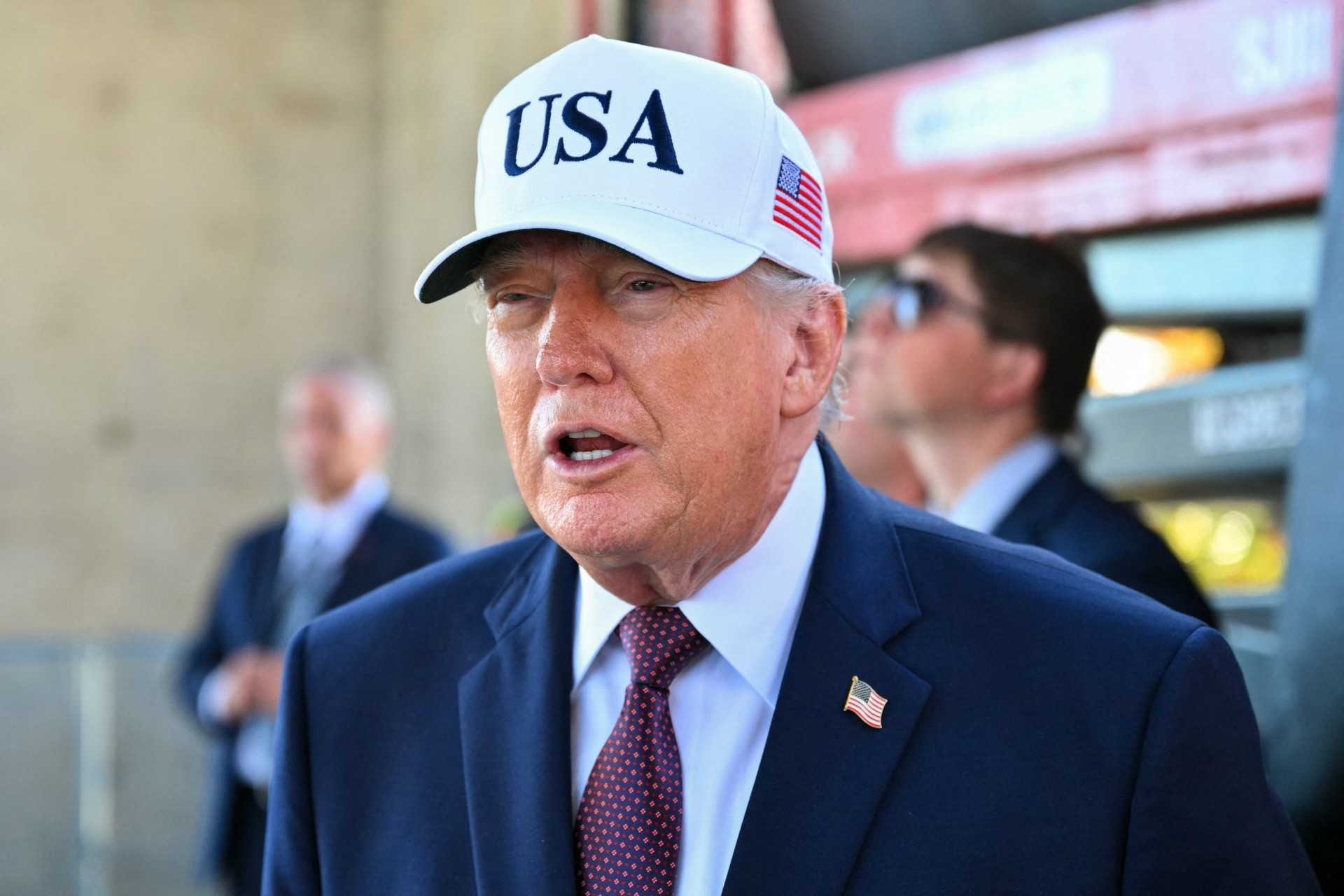
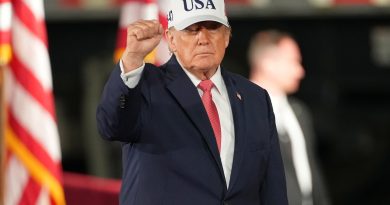
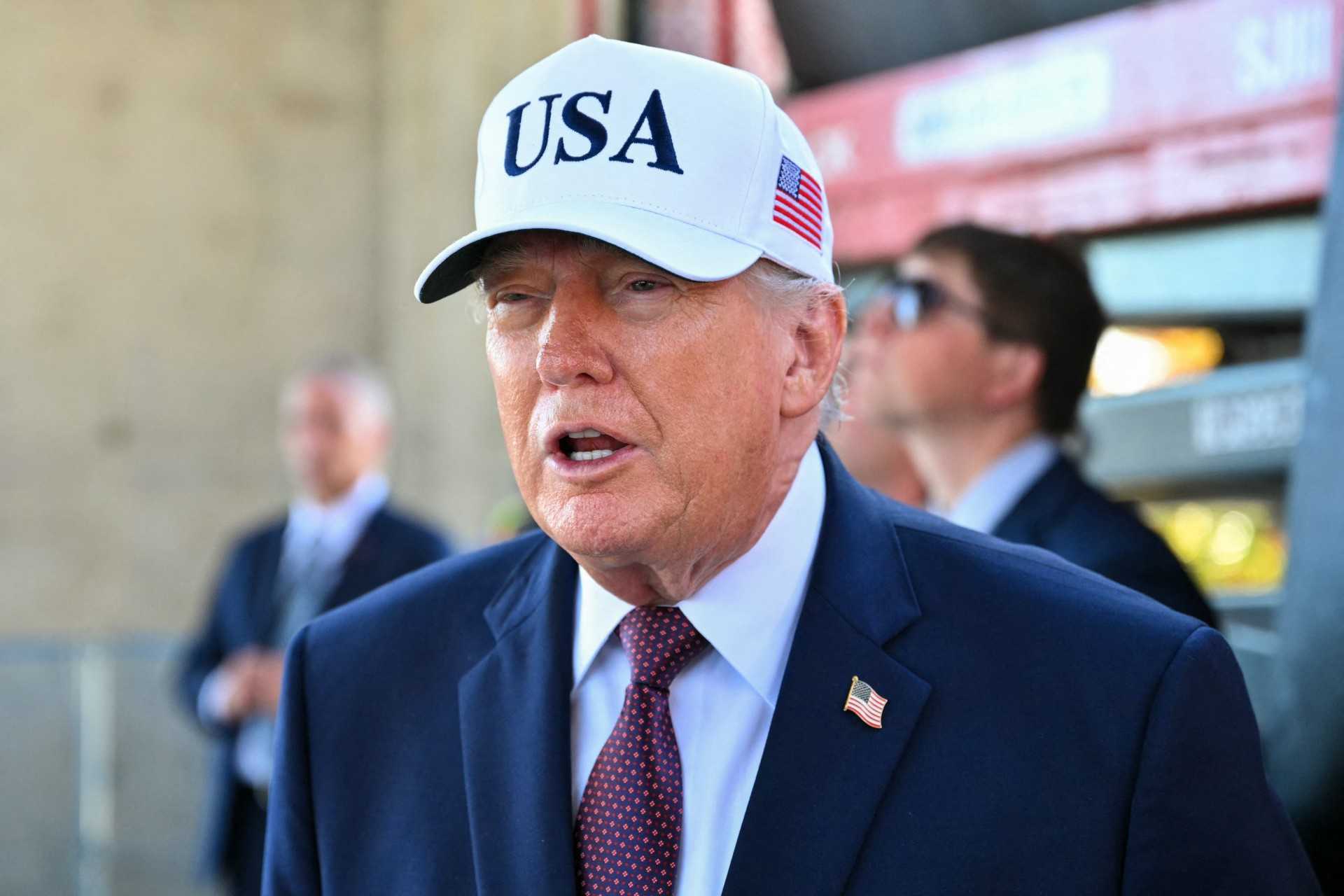
As Democrats swept the midterm elections, taking control of the U.S. House and Senate, Republican President Donald Trump vowed to use one of his most significant remaining tools to block them: the presidential veto.
This story was originally published on PolitiFact.com.
After several races were called for Democrats on election night, Trump posted a picture on Truth Social of a red baseball hat emblazoned with the word “Veto.”
He told some news outlets that his administration will “work with the Democrats” and that he “doesn’t want to be just sitting there for two years vetoing everything.”
But on Fox News, he said Democrats’ power was limited: “They’re in control, but they’re really not in control because they can send over, you know, 50 different great bills that they’re all excited about, and I send them back with a nice stamp veto.”
In his second term, Trump has benefited from his party holding majorities in both chambers of Congress. Republican control of the White House and Congress allowed him to pass his signature tax and spending law in 2025 and remain essentially unchecked in his war with Iran and mass deportation agenda.
That’s all going to change, leaving open questions about how liberally the president may use his veto power and to what extent Congress will face legislative gridlock or forced compromise. Trump could also rely on executive actions to push his own policies, though those have limits.
What is the presidential veto and how do overrides work?
The U.S. Constitution says that the president can veto any bill passed by Congress before it becomes law.
Congress can override the veto, but only by a two-thirds supermajority in both chambers. Democrats handedly won control of Congress in the midterms, taking 233 House seats and 54 Senate seats as of midday Nov. 4. Their margins are still well below the 290 in the House and 67 in the Senate needed to successfully override the veto.
One party holding a two-thirds majority in both chambers has happened before, but it is exceedingly rare.
Charles Cameron, a politics and public affairs professor at Princeton University and author of “Veto Bargaining: Presidents and the Politics of Negative Power,” said the president’s veto is going to be back “in a big way” after the new Congress is sworn in early January 2027.
But Democrats know that, which will likely lead to “blame game vetoes,” he said, where Democrats cue up certain bills to force Trump to veto them.
“The bills will be popular items whose veto will cast the President in the worst possible light,” Cameron said in an email to PolitiFact. “An example may be bills to defund the Iran war. Others may be bills to restore the huge cuts to health insurance subsidies under the ACA (Obamacare) that are going to be kicking in soon.”
Although the veto doesn’t allow the president to change legislation, Congress may also preemptively shape bills with the threat of Trump’s veto in mind.
The threat of a potential veto can be powerful in its own right, leading Congress to preemptively shape bills with it in mind.
“In many ways, the veto threat is more important because it comes sequentially before an actual veto and therefore can prompt important bargaining and negotiation between the president and Congress that can shape the bills that land on the president’s desk,” said Robert Spitzer, a State University of New York-Cortland political scientist and author of “The Presidential Veto” and “President and Congress.”
Trump could also use something called the pocket veto, which is when the president doesn’t sign a bill within 10 days of it being sent to the Oval Office. This happened with a bipartisan housing bill that Trump refused to sign earlier this year.
If Congress stays in session, the bill passes anyway. The bill would die if Congress adjourns, but with Democrats controlling both chambers, an adjournment to kill their own bill is unlikely.
Trump will likely resort to executive actions in certain situations when legislation hits a stalemate, experts said, but those can only go so far — they can be challenged in court, checked by Congress or revoked by the next president.
“Trump’s prolific use of unilateral presidential actions like executive orders up until now (far more than his predecessors) also demonstrate the limits of that strategy,” Spitzer said. “Major policy change still runs through Congress. The question then is whether Trump will make a new effort to deal constructively with Congress. My belief is that the answer will be mostly no.”
This story was originally published on PolitiFact.com.
It is republished here as part of a reporting and fact-checking partnership between PolitiFact and Hearst Television.