French customers to pay €5 fees on small non-EU packages
Customers in France ordering products from outside the EU will soon face an additional processing fee of €2 per item category – in addition to the EU’s new €3 customs duty.
A new ‘handling fee’ of €2 will apply to items valued at less than €150 and ordered online from non-EU sites, starting on November 1st, 2026, as part of a new EU rule.
The fee – which is in addition to an existing €3 EU tax on small packages – is meant to cover the increasing customs costs associated with the sheer volume of individual small packages coming into the bloc.
It means that the total fees on packages from outside the EU will be €5 – although gifts are exempt.
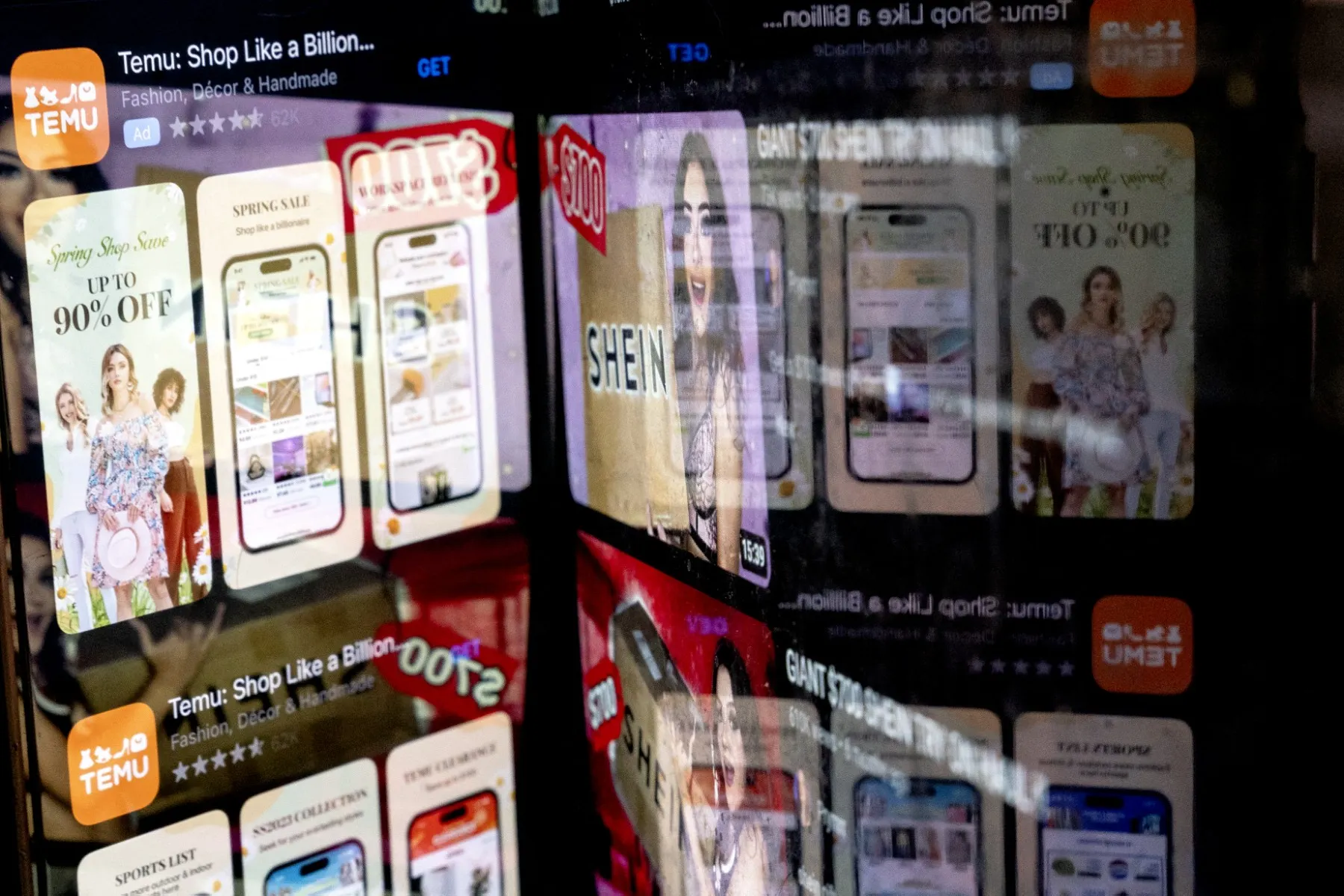
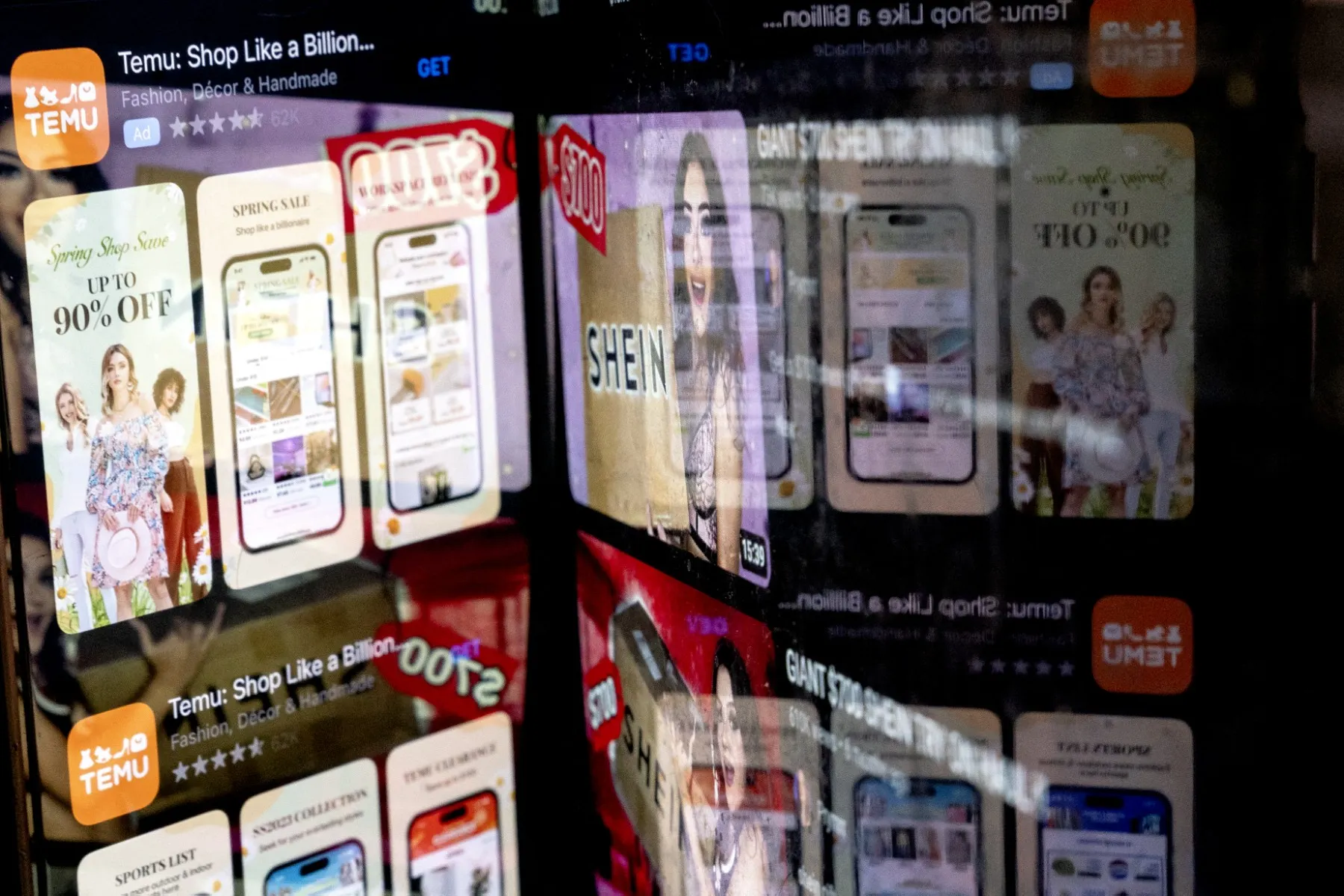
The fee is intended to target Chinese companies like Temu and Shein, but will also affect people who live in France and shop on sites based in countries outside the EU, including the UK, US and Canada.
In 2024, an estimated 4.6 billion low-value shipments were imported into the EU, nearly double compared to 2023, according to EU data. China accounted for about 91 per cent of them.
The introduction of the €2 processing fee is the latest in a string of updates to EU regulations that are designed to limit imports of cheap products from companies such as Shein and Temu.
On July 1st 2026, a €3 duty was applied to all goods valued at €150 or less and ordered online from sites outside of Europe – replacing a temporary €2 duty imposed in France under Article 82 of the Finance Act for 2026.
According to figures from French customs, cited by the Ministry of Economy in August, the number of small parcels imported into the European Union decreased by 30 to 40 percent after the €3 duty – known as the taxe sur les petits colis (tax on small parcels) – was implemented.
The introduction of an additional €2 handling fee will bring the total cost of importing an item to €5, suggesting further reductions in imports are in sight.
How it works
Both the €3 duty and the €2 handling fee apply to each category of item ordered. So for example, if you order three jumpers, the tax will only be €5 for the whole order. But if you buy one jumper and one pair of trousers, you’ll be charged €10 for the parcel – €5 for the jumper and €5 for the trousers.
In theory, these costs will be paid by the seller, whether that’s an individual company or a marketplace platform such as Amazon.
“The tax must be paid by the person liable for VAT on imports”, said the French government, when it introduced its temporary €2 duty – later replaced by an EU-wide €3 fee. “This could be either the seller directly or the platform acting as an intermediary”.
So customers shouldn’t be getting an extra bill, or be charged by delivery companies when items arrive. But in practice, the seller could add this tax onto the price of their products.
Loopholes
BFMTV reported that some of the platforms targeted by these measures have already found a way to minimise the additional costs.
Shein, which has opened a giant warehouse in Poland, now invites European shoppers to explore its “EU Warehouse” via its homepage.
Temu, meanwhile, encourages consumers in Europe to visit the “Local Warehouse” section of the site, which includes product ranges stored at a giant warehouse in the Netherlands.
Because these warehouses are located within EU borders, they’re exempt from the fees.
More changes to come
Whilst the new €2 handling fee is set to remain, the €3 customs duty introduced in July is only a temporary measure.
That doesn’t mean it’s going away, however. It will remain in place until 2028, when the EU Customs Data Hub in 2028 is set to open.
At that point, all goods entering the EU will be subject to customs duty at the regular tariff for each product.
EU Trade Commissioner Maroš Šefčovič said previously: “Our work to modernise how we manage trade at our borders is well on track, and we are close to completing the most ambitious customs reform since the creation of the Customs Union in 1968… With e-commerce expanding rapidly, the world is changing fast – and we need the right tools to keep pace.”