Trump says US is ‘making a fortune’ from higher oil prices
President Donald Trump says higher oil prices are making America wealthier. But economists say the gains are concentrated among producers and investors, while consumers face rising costs.
WASHINGTON —
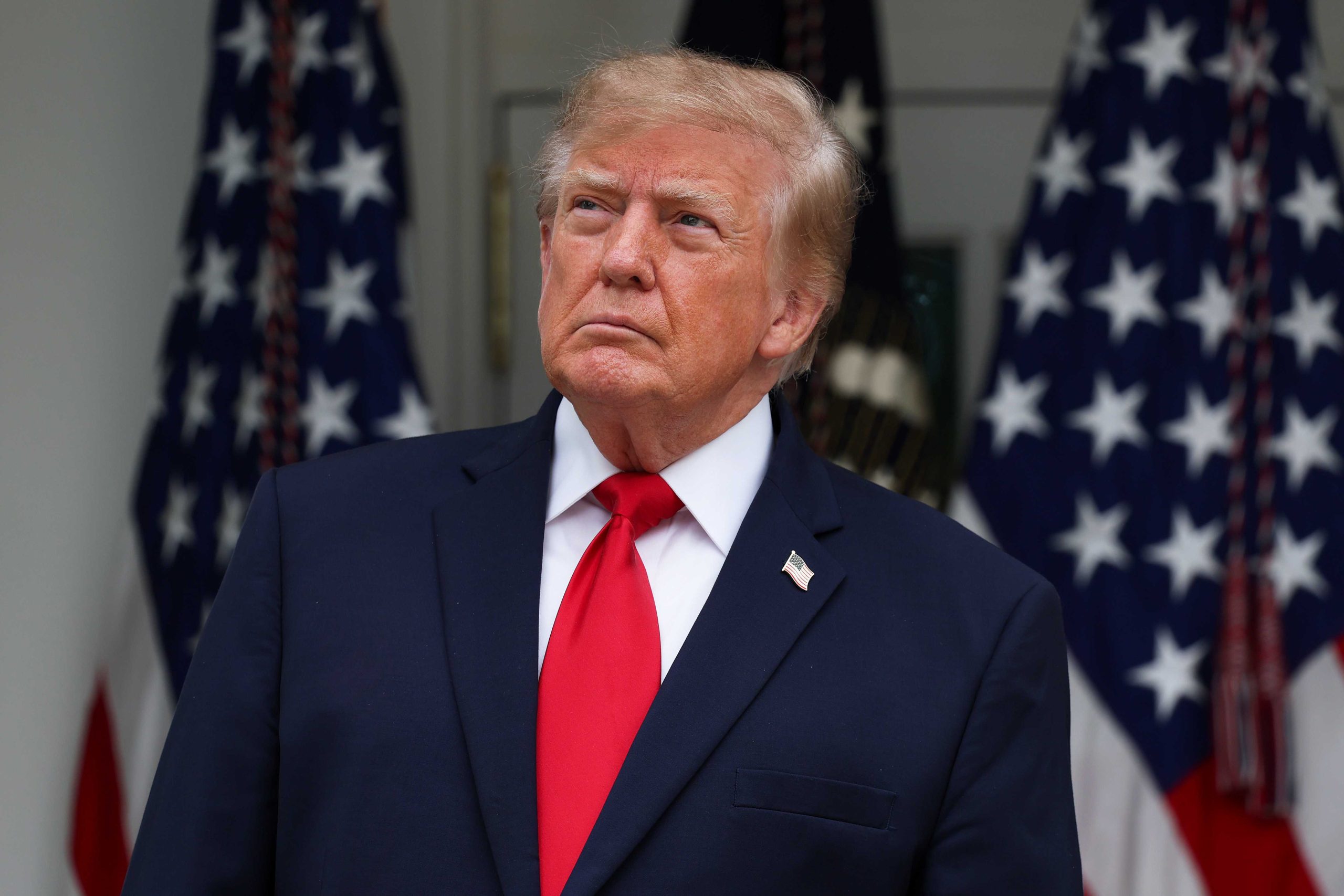
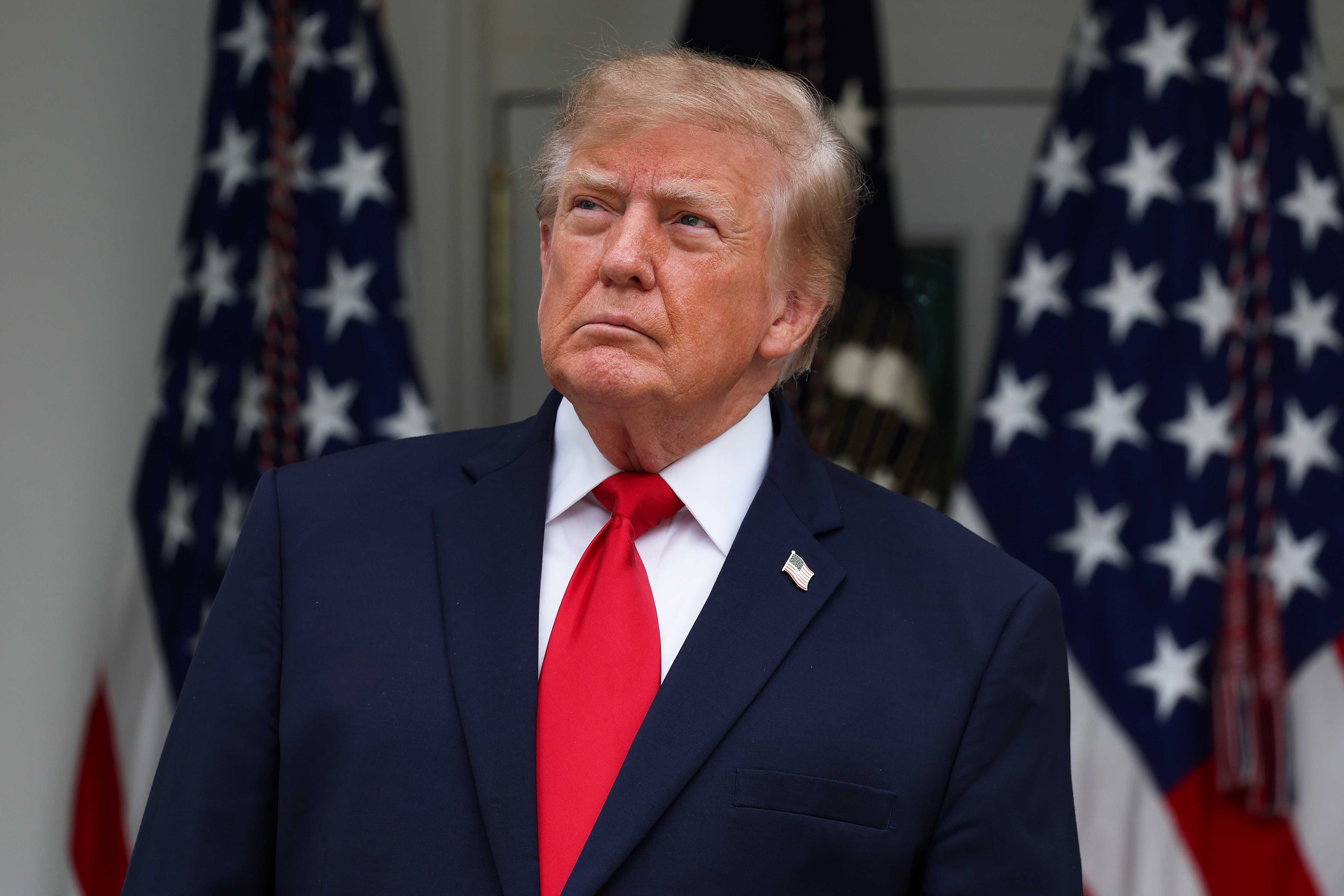
President Donald Trump says the United States is “making a fortune” from higher oil prices, even as American consumers are paying significantly more for gasoline and diesel.
Speaking at a campaign rally in Perry, Georgia, on Saturday, Trump anticipated criticism of his remarks.
“I could just see the fake headlines. ‘President Trump is talking about all the money they’re making while people are suffering at the pump.’ That’ll be the headline,” Trump said.
“But I said, ‘I don’t give a damn. I’m gonna say it.’ We’re making a freaking fortune.”
A White House official said in a statement provided to Hearst Television that America’s oil production and exports are making the country wealthier and strengthening national security.
The official pointed to oil tankers now coming to Texas and Louisiana, bringing business to American producers rather than Iran.
Where is the money going?
An Oil & Gas Journal analysis found that 38 U.S. oil producers and refiners reported a combined $62.2 billion in profits during the second quarter of 2026, nearly triple the $22.3 billion they earned during the same period last year.
Their combined revenue also climbed from $299.3 billion to $439.1 billion. But oil companies aren’t the only ones benefiting.
In a statement to Hearst Television, the Interior Department said energy production on federal lands and waters generated $7.53 billion for the U.S. Treasury, more than $6.6 billion for states and over $1 billion for conservation efforts in fiscal year 2026.
For context, Interior reported distributing $5.01 billion to the Treasury and $4.07 billion to states in fiscal year 2025.
“These aren’t just numbers on a ledger; these are billions of dollars flowing into American communities, schools, infrastructure and more,” the Interior Department said.
The department’s figures cover revenue from federal energy production throughout the fiscal year, not just oil revenue generated since the war began. The two years’ figures also have not been confirmed as directly comparable.
Energy economist Ed Hirs, of the University of Houston, said governments are among the beneficiaries of higher energy prices.
“The federal government is gaining, as are some of the state governments with higher tax collections,” Hirs said.
He explained that higher prices can also support jobs and local businesses in oil-producing communities. Americans who own energy stocks, including through retirement accounts, may benefit as well.
But those financial gains aren’t shared equally.
“It’s a redistribution of wealth from the consumer to the producers right now,” Hirs said.
The cost to consumers
Hearst Television’s Get the Facts Data Team found gasoline prices have risen more than 50% in 20 states since the war began on Feb. 28.
Brown University estimates Americans have spent nearly $143 billion more on gasoline and diesel than they would have without the war with Iran.
Higher diesel prices can also increase transportation and delivery expenses, potentially pushing up prices for groceries and other everyday goods.
Abhi Rajendran, an energy expert at Rice University’s Baker Institute for Public Policy, said the financial benefits to American oil producers do not necessarily outweigh the broader costs to consumers.
“I would say a net-net, it is a drag on the economy because, you know, it’s more of a consumption tax, the higher price environment, than it is a, you know, production benefit,” Rajendran said.
The White House maintains that stronger American energy production benefits the country. However, its statements did not quantify how much of the additional wealth generated by higher oil prices ultimately reaches ordinary American households.
Trump predicts gas prices will fall sharply when the war ends. But Hirs cautioned that disruptions to global oil markets could keep prices elevated for months, even if the fighting stopped immediately.