Dupe Culture Is Becoming the New Luxury. Here’s Why
For independent retailers and indie founders, dupe culture has rewritten the pricing conversation. Shoppers now openly compare products to both luxury originals and budget lookalikes, and the brands that can’t articulate why they cost more are feeling the squeeze.
What Is a Dupe and Why Does Finding One Carry Status Now?
A dupe is a lower-priced product designed to resemble the look, feel or function of a pricier alternative without claiming to be the original brand. The status comes from the hunt itself, with shoppers flexing their ability to spot value rather than simply owning something expensive.
Unlike counterfeits, dupes don’t borrow the original brand name. Still, IMS Legal’s analysis of dupe culture notes that lookalikes can raise questions about trademarks and protected designs. That legal gray zone is one every merchandiser should understand before stocking adjacent product.
Kylie Jenner Uses the $19 Retinol Serum Amazon Shoppers Describe as ‘Botox in a Tube’
Social media turned quiet bargain hunting into public performance, with TikTok comparison videos making affordable alternatives easier than ever to find and share.
Affordable alternatives have existed for years, especially in beauty and fragrance, but comparison content changed the vocabulary. Glossy’s reporting on dupe culture explains how the term became tied to pride rather than embarrassment. The Business of Fashion examines how openly recommending lookalikes has reshaped how brands relate to their customers.
Who Is Actually Buying Dupes, and Are They Really Price-Sensitive Shoppers?
Not necessarily. A Cashew Research survey of U.S. and Canadian consumers found 17% of surveyed dupe buyers earned more than $150,000 annually.
That data point matters for merchandising decisions. Rising luxury prices and quality concerns have pushed even high earners to question whether premium markups are earned. The Business of Fashion’s analysis of luxury pricing explores how economic pressure and growing interest in alternatives are challenging traditional ideas about luxury. Shoppers aren’t rejecting premium outright. They’re getting more selective about when the price is actually worth paying.
How Has Dupe Culture Moved From Beauty Into Apparel and Accessories?
What started in beauty and fragrance has moved squarely into clothing and accessories, with shoppers openly comparing lower-priced items to premium designs.
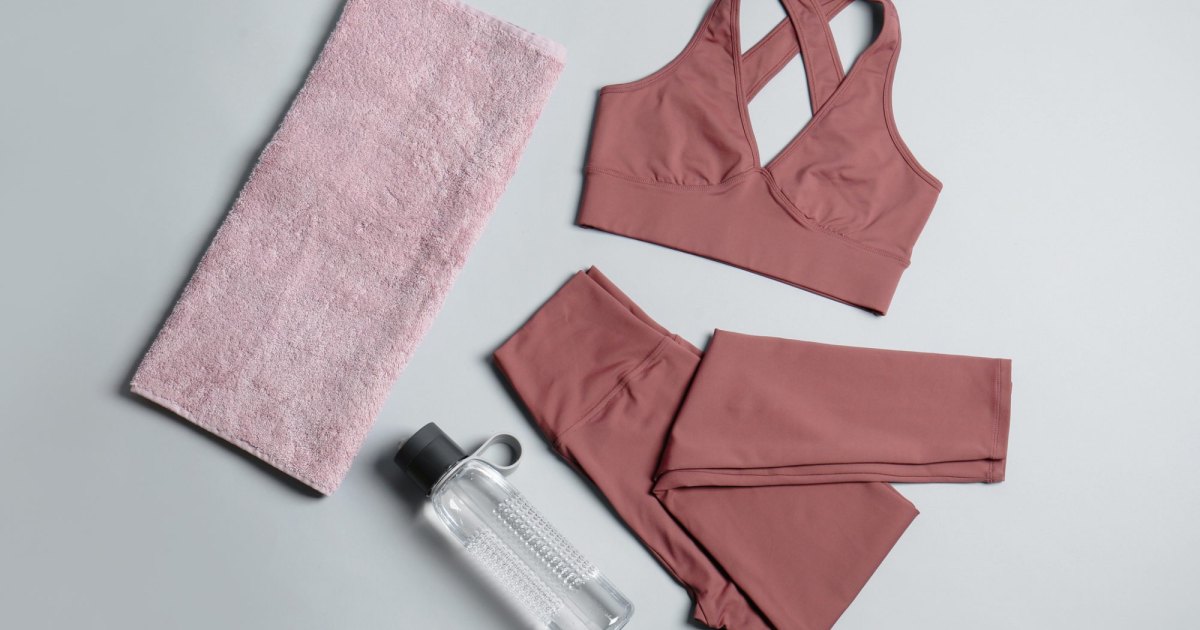
Brands such as Dossier helped popularize affordable alternatives to luxury perfumes. The trend crossed into fashion publicly when Lululemon sued Costco over alleged similarities between certain products, as covered by the Associated Press. Fashion law expert Susan Scafidi captured the shift in Istituto Marangoni, saying, “Now cachet comes from finding the look for less.”
What Does the Dupe Trend Mean for Premium Pricing and the Broader Market?
Premium brands aren’t disappearing, but they’re being pushed to prove what justifies their prices as shoppers treat budget finds as a flex worth sharing.
The legal path is unsettled. Baker Botts’ legal analysis notes the Lululemon and Costco suit ended in August 2026 without a court ruling on whether Costco’s products infringed Lululemon’s rights. Meanwhile, Circana’s beauty industry findings show both prestige and mass-market beauty sales grew in 2025, signaling shoppers are buying across price points rather than abandoning either tier.