
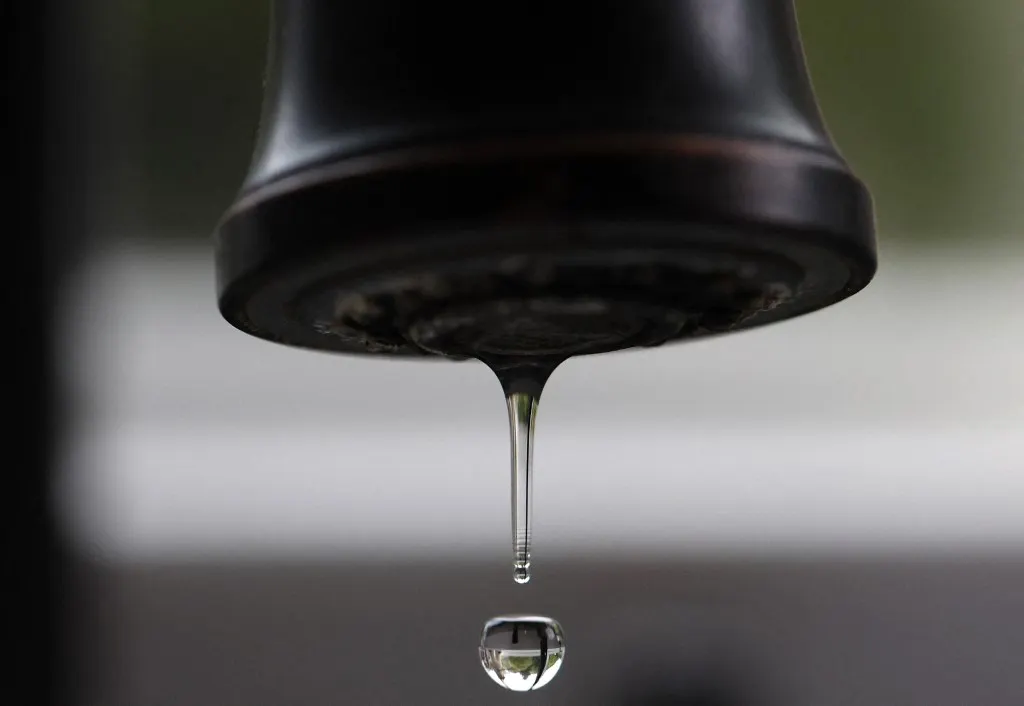
94,000 people without tap water in France due to drought
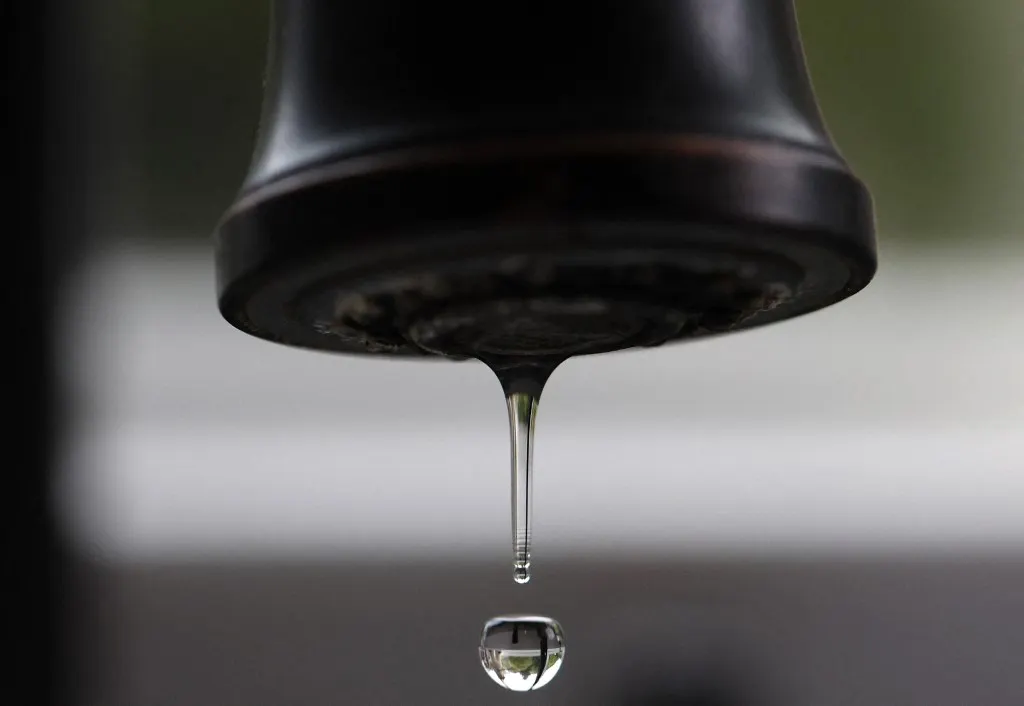
The French environment ministry has confirmed that 94,000 people are still without regular supplies of tap water due to the severe and ongoing drought – an increase since the start of September.
The ministry confirmed that according to the latest available figures, from September 28th, 94,000 people in mainland France are “affected by emergency drinking water supply measures”.
This figure is an increase from the start of September, when environment minister Monique Barbut referred to “64,000 residents who still have to rely on water tankers or bottled water for drinking, cooking or washing” across mainland France, as a result of low rainfall and heatwaves in recent months.
She added that a further “6.4 million residents are affected by a drinking water distribution system placed on alert: this means that distribution remains normal but that the water supply is showing signs of vulnerability.
READ ALSO: French water restrictions continue after record-breaking September
“That is 223,000 more residents than on August 24th.”
France experienced an exceptionally hot and dry summer with repeated heatwaves that led to a total of almost 8,000 excess deaths.
But while temperatures have fallen, rainfall remains extremely light in many areas, where the depleted water tables have not yet begun to refill.
Much of the country was on the highest level of water alert over the summer – in which water can only be used for priority purposes such as drinking, cooking and washing.
But in some areas, mainly small villages in rural areas, the supply ran out altogether, leaving residents dependent on deliveries from tankers or buying bottled water.
Temperatures remain above seasonal norms, and forecasters say October is expected to be drier than usual.
The drinking water supply situation is considerably more strained in many of France’s overseas territories. Guadeloupe, in particular, faced a two-pronged water crisis this summer, with drinking water supply paralysed by severe drought and leaks, as well as pollution of bathing areas due to the deterioration of the sewage system.