
Author Deborah Archer to discuss how road design reinforces racial inequality
Deborah Archer literally wrote the book on how roads and sidewalks can carve and perpetuate racial divisions, so Little Rock is a natural stop on the book tour.
An attorney, New York University School of Law professor and chair of the national board of the American Civil Liberties Union, Archer arrives in town Tuesday for two public events exploring racial divisions, inequity and civil liberties.
Her book, “Dividing Lines: How Transportation Infrastructure Reinforces Racial Inequality,” examines the ways man-made structures and transportation systems have been designed and built in ways that segregate people by race and disenfranchise Black and brown communities.
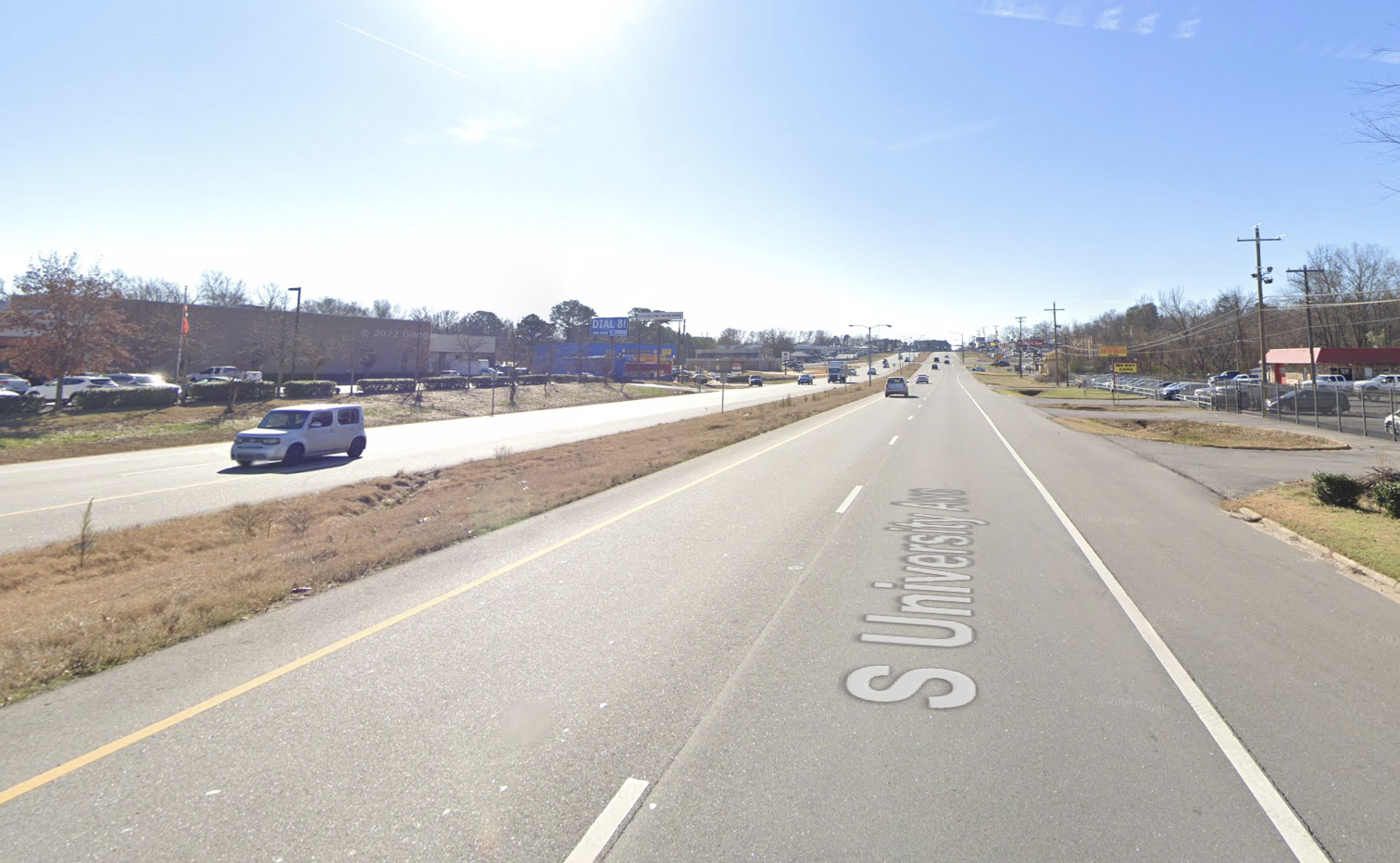
In Little Rock, this very phenomenon became a core component of our city’s layout. Construction of Interstate 630 in 1964 mowed through prosperous Black-owned business districts and neighborhoods, leaving us a city that’s largely white on the north side and largely Black on the south.
Tickets are required for a book talk and signing at 6 p.m. Tuesday, Oct. 6, at WordsWorth Books at 5920 R St. in the Heights. The $25 ticket includes a copy of the book. Get tickets here.
The Wednesday night event, a talk that will center on “racial inequality, civil liberties, and the work required to build more equitable communities,” will happen at the Mosaic Templars Cultural Center at 501 W. Ninth St., with a view into one of the divisive concrete chasms to which Archer has dedicated her scholarship. The 6 p.m. event is free, but registration is required, here.
Pregame for Archer’s visit by watching the mesmerizing timelapse video that shows what Little Rock sacrificed to make easier east-west commutes.
A press release from the ACLU heralded the event as an opportunity to reopen the conversation about racial divides.
“We are honored to welcome Deborah Archer to Arkansas for these urgent and timely conversations,” said Holly Dickson, executive director of the ACLU of Arkansas. “Her work demonstrates that racial inequality is not only embedded in our laws and institutions but also in the physical structures that shape where people can live, travel and thrive. Understanding that infrastructure and its history is essential to building a more just and equitable future.”
Drawing on her life experience, education, and decades of civil rights advocacy, Archer traces how decisions about transportation and development divided communities, restricted access to opportunity and contributed to overpolicing. She also highlights the resilience of communities organizing to repair past harms and reimagine the places they call home.
Archer is the Margaret B. Hoppin Professor of Clinical Law at New York University School of Law and faculty director of the school’s Community Equity Initiative. A nationally recognized civil rights lawyer and scholar, she serves as chair of the ACLU National Board and previously served as a member of the New York Civil Liberties Union’s board of directors.
Source link