Another lawsuit accuses San Isabel Electric for Aspen Acres fire
A lawsuit accusing a southern Colorado electric co-op of sparking the Aspen Acres fire, the seventh-largest wildfire in state history, was filed Wednesday.
Seven Pueblo County residents filed the lawsuit against San Isabel Electric Association, alleging that the fire sparked in two places, one on each side of Colorado 165 below equipment owned by the electric co-op, according to court documents filed in Pueblo County District Court.
The lawsuit joins at least three others that name the electric co-op in starting and spreading the Aspen Acres fire.
The plaintiffs are seeking compensation for “extensive economic and non-economic damages” caused by the fire, including property, timber and crop losses. Some also suffered injuries, including smoke inhalation, as well as emotional distress such as anxiety, depression and loss of community, according to the lawsuit.
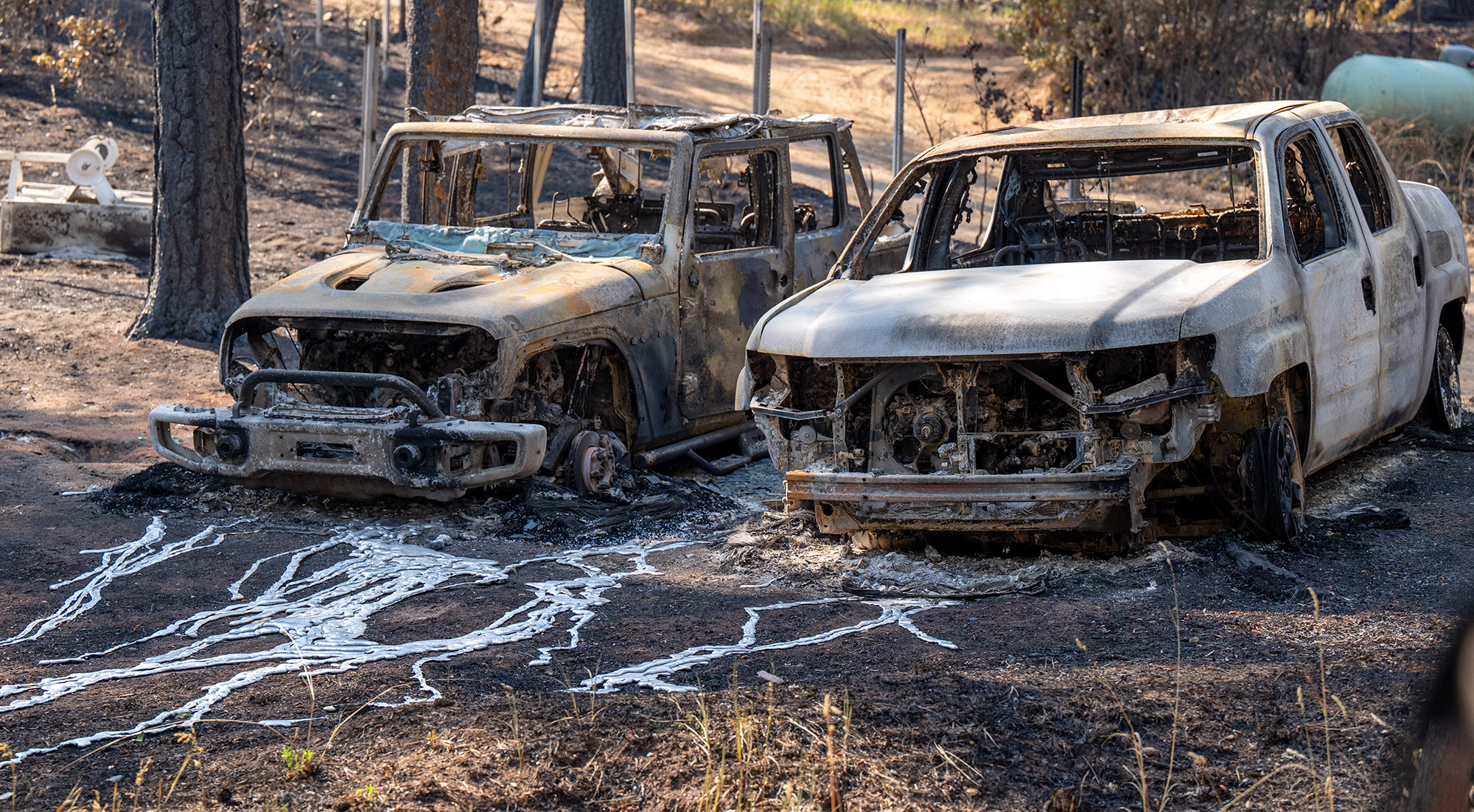
The fire, which burned more than 100,000 acres across four counties, destroyed at least 850 structures, including at least 300 homes. Officials determined the fire that sparked June 29 was human-caused, but they have not yet shared what they believe sparked it or released details of their investigation. The fire was estimated to be 82% contained as of Thursday.
Attorneys for the residents allege the two ignitions started after trees or other vegetation fell on energized power lines in areas where vegetation was overgrown and not “adequately maintained by San Isabel.”
A piece of San Isabel’s power line equipment was also found on the ground near one of the areas where the fire is believed to have started west of Colorado 165, that showed signs of arcing, according to court documents.
The attorneys allege San Isabel knew of the growing risk of catastrophic wildfire in its territory but failed to properly maintain and operate its power lines and equipment. Red flag warnings ahead of critically low humidity levels and wind gusts between 30 and 45 mph were issued the day the fire sparked and the day prior.
The electric co-op would have been aware of the extreme fire conditions through the company’s wildfire mitigation program, the lawsuit stated.
“The forecast proved true — but San Isabel appears to not have heeded the forecast or taken appropriate measures to mitigate the risk,” attorneys wrote.
A spokesperson for San Isabel Electric Association said the co-op was reviewing the lawsuit, but declined to comment.
“This event has had a significant impact on many people, and our thoughts remain with those affected,” Paris Daugherty, a spokesperson said via email. “Our focus remains on serving the membership and supporting community recovery.”
The lawsuit was filed by Robyn Armijo, Richad Rocha, Jayden McMahon, Isabella McMahon, Mazzy Miller, Maureen de Jongh, and Michael de Jongh.
According to the complaint, Armijo and Rocha lived with their two adult children and one of their girlfriends in Rye.
Armijo’s parents bought their 15-acre property in 1977, and she had lived there for most of her life after the house was built in 1996. The home on Old San Isabel Road had an “open-door policy,” and during warmer months, Armijo and Rocha regularly welcomed children and neighbors to the property for barbecues, lawn games and outdoor movies.
When they returned after evacuating, they found little but melted structures and ash. Doll heads poked out from the rubble.
Armijo lost “a lifetime of one-of-a-kind blankets and dolls” handmade by her late mother, who was a seamstress. Rocha, an avid sports fan, lost more than 500 signed sports jerseys, sneakers and hats. Their children lost a terrarium and equipment for their tortoise, Miss Peaches, as well as their grandfather’s tools.
They never found their cat, Wacky, whom they had to leave behind during the evacuation.
The de Jongh’s 6.7-acre property on Pine Drive in Beulah survived the flames, but not the debris flows that followed as heavy rains rushed down scorched soil. Mud coated the side of their house, accumulated in their garage and severely damaged the property’s well, according to the lawsuit. The flooding also destroyed the property’s landscaping, fencing, a shed, a gazebo and personal property inside.
The retired couple were trying to sell their property, but after the damage, the person who had agreed to buy their property pulled out of the sale, the lawsuit stated.
After evacuating, the couple could not return to their home to take care of their 12 chickens, which were later killed by a bear while they were gone.
This is a developing story that will be updated.