Deadly mushroom danger in Spain as shoppers are urged to check before buying « Euro Weekly News
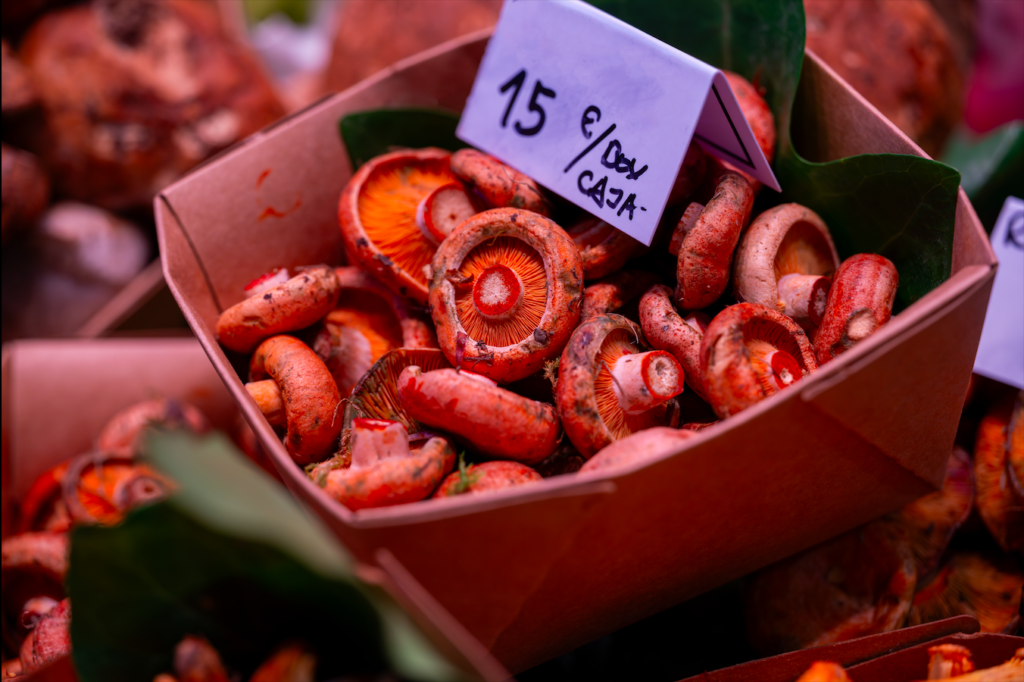
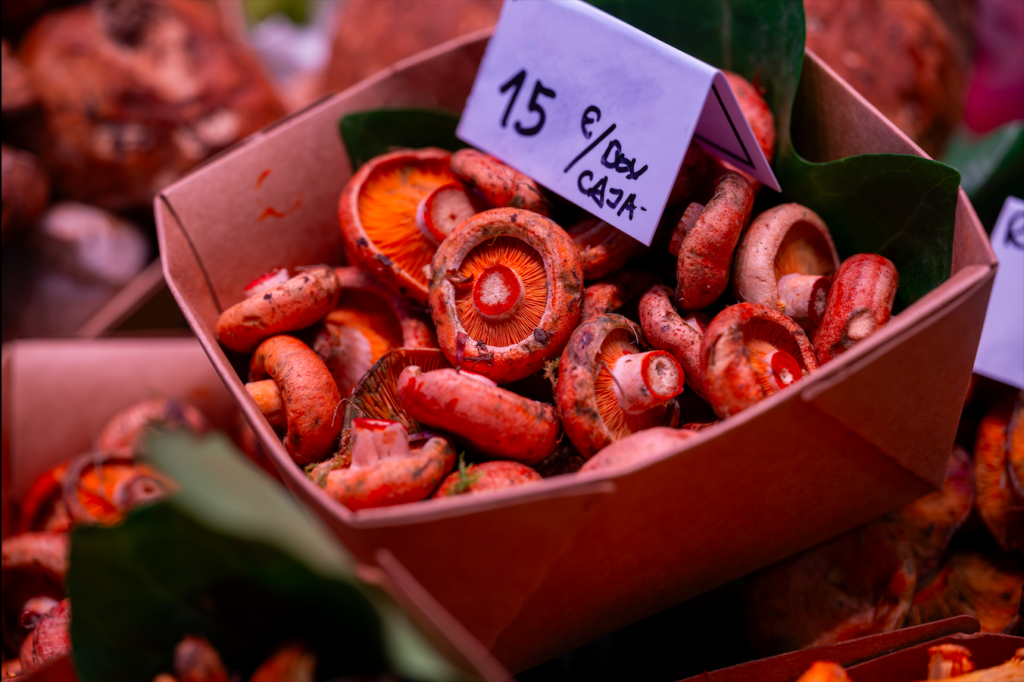
Be particularly cautious about buying wild mushrooms from roadside sellers. Photo credit: Carlovis/Shutterstock
If you enjoy a plate of freshly cooked mushrooms, autumn is a lovely time of year to find them in Spain. Markets start filling up with seasonal varieties, and plenty of people head into the countryside with baskets to collect their own. But before buying a bag from someone selling them by the roadside, or picking a few during a country walk, there is something worth remembering: not every mushroom that looks edible is safe to eat.
Some of Spain’s most poisonous mushrooms look surprisingly similar to varieties people happily cook and eat. Getting them mixed up can have serious consequences, including liver and kidney damage, and in some cases can be fatal. The problem is not just knowing which mushrooms to avoid. It is also knowing where the ones you buy have come from and whether they have been properly identified.
More than 150 kilos seized in Navarra
The warning comes as the Guardia Civil has seized 88 kilos of mushrooms collected irregularly in two operations in Navarra, while a wider series of interventions has brought the total confiscated in the region to more than 150 kilos since mid-October. The latest operations took place on October 29 in the valleys of Erro and Ultzama. In the first, officers carrying out checks on the N-135 noticed three vehicles with foreign number plates.
They stopped one car carrying five people after its driver made an evasive manoeuvre on seeing the police. Inside, officers found five plastic bags containing 42.9 kilos of mushrooms. One of the occupants said they had been collected near the Erro-Roncesvalles Mycological Park without the necessary authorisation.
Two separate operations uncover more irregular collection
In a separate operation in Ultzama, SEPRONA officers seized another 45 kilos from two people over suspected irregularities involving their collection. The cases were referred to Navarra’s Environment Department for possible administrative proceedings. The mushrooms were handed to the mycological centres in Erro and Ultzama, which will arrange for them to be distributed to social canteens.
According to Diario de Navarra, five separate interventions since the week of October 15 have resulted in more than 150 kilos being seized. The cases involved people collecting without the required permits or exceeding the quantities allowed in protected mushroom-gathering areas. There is no suggestion that the mushrooms confiscated in these operations were poisonous; the seizures concerned irregular collection.
Where should you buy mushrooms in Spain?
For anyone shopping for wild mushrooms, the first question should be where they came from. Buying from an established supermarket, greengrocer or market trader gives you a clear point of contact if you need information about the product.
Check the packaging and labelling rather than relying on a seller’s description. Commercially sold mushrooms should be correctly identified, with information that allows the species and its origin to be established. If loose mushrooms are being offered without clear identification, or a seller cannot explain what they are selling, it is better to walk away.
Be careful when buying from informal sellers
Spain has specific food-safety requirements for mushrooms sold for human consumption under Royal Decree 30/2009. These rules cover which species may be marketed and the conditions under which they can be sold. Poisonous or toxic species must not be placed on the market for consumption.
Be particularly cautious about buying wild mushrooms from roadside sellers, social media advertisements or informal stalls where there is no clear information about who collected them and how they were identified. A low price or a claim that they have just come out of the woods is no guarantee of safety.
Poisonous mushrooms can look just like edible ones
Spain’s food safety agency, AESAN, warns that poisonous mushrooms can be mistaken for edible varieties. It recommends that anyone without the necessary knowledge should collect them only with an experienced person or seek specialist advice before eating them.
There is no reliable home test that can tell you whether a wild mushroom is poisonous. The popular claims that toxic varieties taste unpleasant, smell bad, change colour when cut or are avoided by animals are myths. Some dangerous species have a pleasant taste, while some edible varieties change colour.
Why identification apps are not enough
Nor should you rely on a photograph in a guidebook or an identification app on your phone. The Community of Madrid’s health authority specifically warns against identifying mushrooms using photographs or apps alone, as mistakes can have serious consequences. Correct identification requires examining the actual specimen and knowing its distinguishing characteristics. If you are unsure about a mushroom, leave it where it is.
Do not put it in your basket and hope to identify it later, and never mix unidentified specimens with varieties you already know are edible. Even when collecting familiar species, check every mushroom individually before preparing them. Remove damaged or deteriorating specimens, and avoid eating wild mushrooms raw or insufficiently cooked. AESAN also advises seeking expert guidance rather than following traditional beliefs or tips from inexperienced collectors.
Mushroom poisoning symptoms can take hours to appear
One of the most dangerous aspects of mushroom poisoning is that symptoms do not always begin immediately after eating. Some toxins cause nausea, vomiting, diarrhoea and abdominal pain within a few hours, while others can take six hours or longer to produce symptoms.
That delay can be particularly worrying because certain toxins can cause serious liver or kidney damage. The Community of Madrid warns that poisoning with a long delay before symptoms appear can be especially severe and may even prove fatal.
What to do if you suspect mushroom poisoning
If you suspect that you or someone else has eaten a poisonous mushroom, seek urgent medical attention rather than waiting to see whether the symptoms improve. Call 112 if there is a suspected serious poisoning. Keep any uneaten mushrooms and leftover food, as these may help specialists identify the species responsible. If possible, keep an uncooked specimen in the fridge for identification. Anyone else who shared the meal should also be informed, even if they feel perfectly well.
Wild mushrooms can be a wonderful part of autumn cooking in Spain, but a little caution can make all the difference. Whether you are buying them or collecting them yourself, never take a chance on a species you cannot identify with complete certainty. A mushroom that looks like a familiar edible variety is not necessarily one.