Common hair-loss treatment can kill cats and dogs « Euro Weekly News
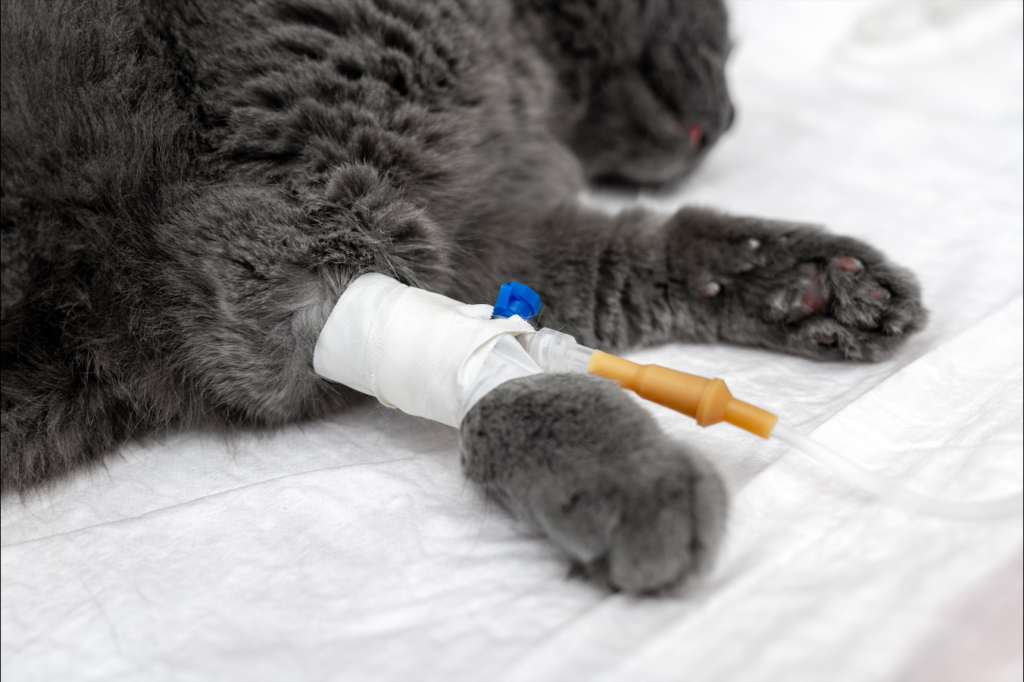
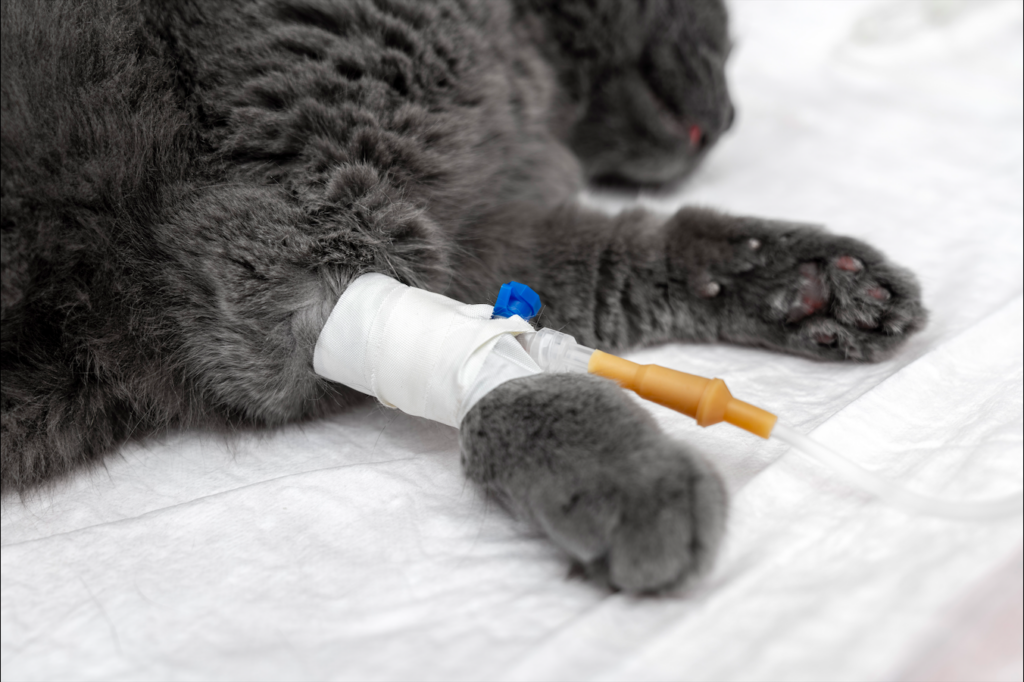
Owners should be alert to possible signs of poisoning. Photo credit: ArtPhoto21/Shutterstock
Pet owners in Spain are being warned that a common hair-loss treatment could prove fatal to their cats and dogs, even if the animals never swallow the product. Traces of the medication left on a person’s hands, skin, pillows or bedding can expose pets to minoxidil, a drug used to stimulate hair growth. Spain’s Agency for Medicines and Medical Devices (AEMPS) issued the warning on Monday, October 26, after evidence linked exposure to serious cardiovascular complications and deaths in companion animals, particularly cats.
The risk is not limited to animals that chew a bottle or lick up spilled medication. Cats that rub against their owners, sleep on contaminated pillows or come into contact with treated skin may also be exposed. For households where someone uses minoxidil, the warning means taking extra care with everyday routines, particularly around sleeping areas and after applying the treatment.
Eight cats died after developing symptoms
The AEMPS based its warning on published scientific evidence, including records from the American Society for the Prevention of Cruelty to Animals’ Animal Poison Control Centre. Of 211 reported exposures involving dogs and cats, the data included cases in which animals developed clinical signs after contact with very small quantities of minoxidil, including just a few drops or licks.
Eight of the 62 cats that developed symptoms died, representing 12.9 per cent of symptomatic cats in that group. The agency also noted that indirect exposure through owners using topical treatments was the most frequently identified circumstance in feline cases.
Separately, a review of a European database that includes international reports identified at least eight cases associated with minoxidil exposure. Four were reported in Spain, three in Belgium and one in the United States. Those cases involved three cats and five dogs. The figures come from different datasets and should not be added together as though they represent a single group of animals. However, they underline the potential seriousness of accidental exposure.
Why is minoxidil dangerous for pets?
Minoxidil is a vasodilator, meaning it widens blood vessels. Applied to the scalp, it is used to encourage hair growth in adults experiencing certain types of hair loss. In pets, exposure can cause serious cardiovascular toxicity. The AEMPS lists complications including low blood pressure, an increased heart rate, fluid in the lungs, fluid around the lungs and congestive heart failure. Animals may also develop weakness, unusual tiredness, poor coordination and tremors.
Cats appear particularly susceptible, although dogs are also at risk. One problem is that early symptoms may be vague. An owner might initially mistake unusual lethargy or weakness for a minor illness, without realising the animal could have come into contact with a human medication. The absence of obvious ingestion does not rule out poisoning. The AEMPS specifically warns that exposure can occur through contaminated skin, hands, clothing and household surfaces.
How can owners protect their pets?
The agency recommends several precautions for people using topical minoxidil at home.
- Wash your hands thoroughly after applying the treatment.
- Keep pets away from treated skin, including areas where the product may still be present.
- Prevent contact with contaminated bedding, clothing and pillows, where medication residue may remain.
- Cover the treated area with clothing where practical, to reduce the chance of transferring the product to an animal.
- Store medication securely and prevent pets from accessing the product or its packaging.
These precautions are particularly important for cats that sleep on their owners’ beds or regularly rub against their faces and hands. Owners should also be alert to possible signs of poisoning, including unusual weakness or sleepiness, difficulty breathing, tremors and problems walking normally.
What should you do if your pet is exposed?
The AEMPS advises contacting a veterinarian immediately if a pet may have come into contact with minoxidil, even if it appears healthy and has not yet developed symptoms. Owners should explain the possible exposure and provide details of the product involved. Do not wait for symptoms to appear or assume that a small amount cannot cause harm.
There is no specific antidote for minoxidil poisoning. Veterinary treatment may involve early decontamination where appropriate, cardiovascular and respiratory support, and management of complications. Severe cases may require intensive monitoring.
The agency is also asking veterinarians to consider minoxidil exposure when animals, particularly cats, present with compatible cardiovascular or breathing problems. Suspected adverse incidents should be reported through Spain’s NotificaVET system to help improve the understanding of these cases.
For pet owners, the central message is straightforward: a treatment applied to a person’s scalp can still pose a serious risk to an animal elsewhere in the home. Keeping pets away from treated skin and potentially contaminated bedding, washing hands after application and seeking immediate veterinary advice after suspected exposure could make a critical difference.