Philippines launches e-visa service for UAE residents fro…
Aside from the traditional “sticker visas,” citizens from 37 countries with valid UAE residence visas, now have another choice for their planned short-term visits to the Philippines – the “non-extendable and non-convertible” electronic visa (e-visa) which they may complete from their homes or offices.
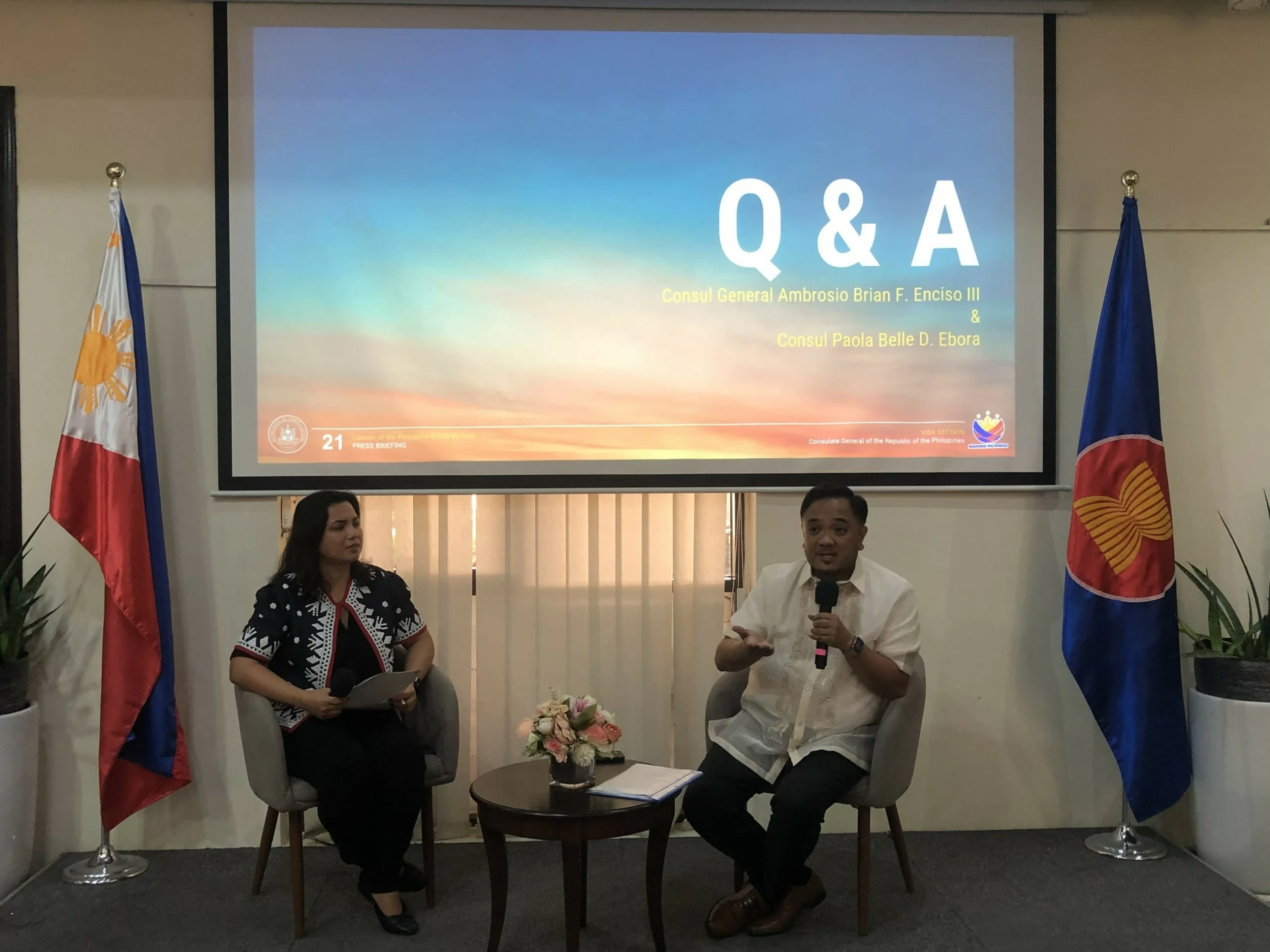
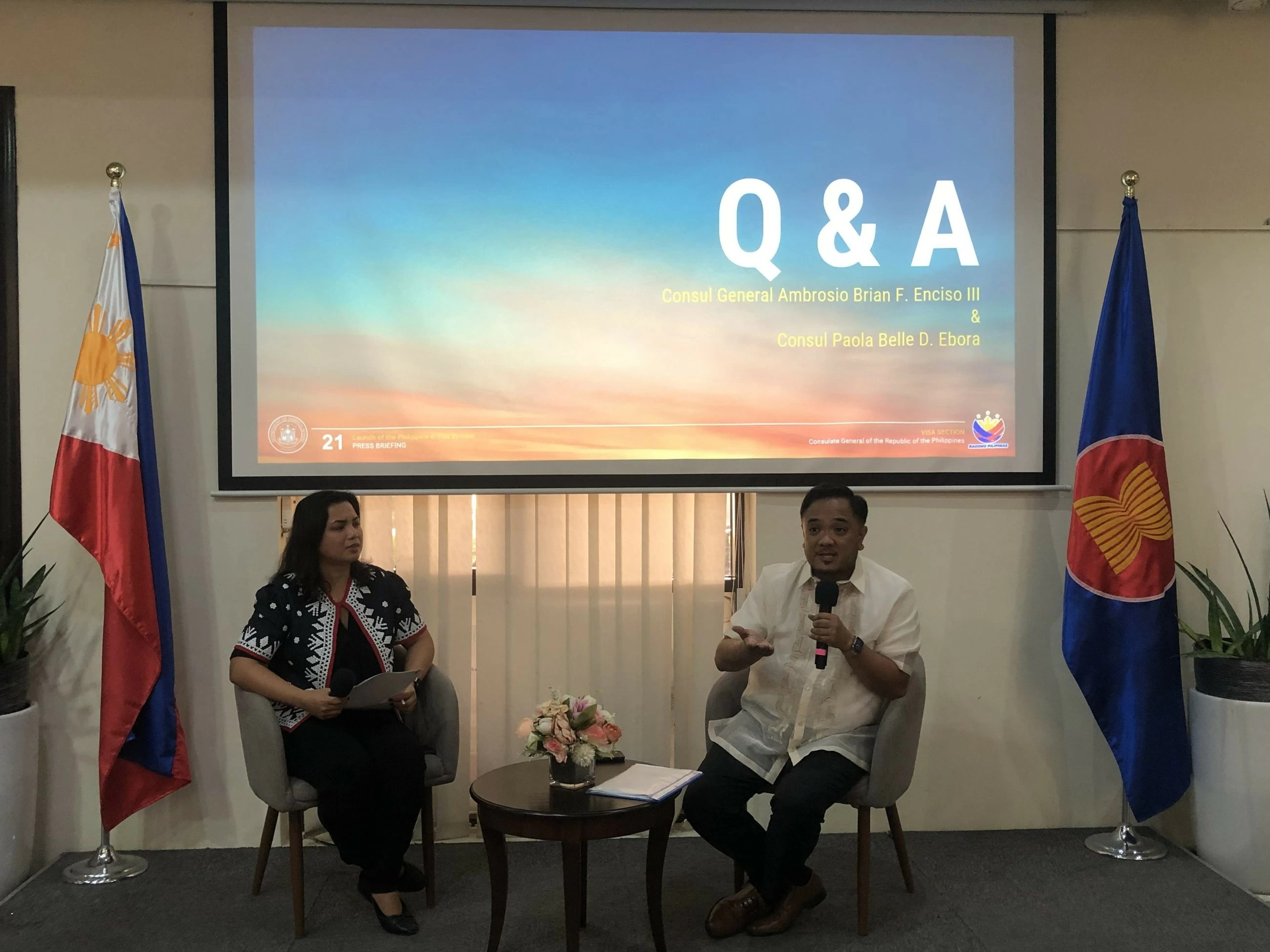
Through a Monday press conference with Consul General in Dubai and the Northern Emirates Ambrosio Brian Enciso III and Consular Section head Vice Consul Paola Belle Ebora, the Philippine Consulate General in Dubai (PCG-Dubai) launched the availability of the e-visa services via the Philippines’ Department of Information and Communications Technology-created eVisaPH –evisa.gov.ph website.
PCG-Dubai has joined 94 other diplomatic and consular missions – including the Philippine Embassy in Abu Dhabi, which launched the system “last year through a pilot study – in easing entry visas to the Philippines to the nationals of the 37 countries. It is part of the digitalisation and modernisation programme of the Department of Foreign Affairs (DFA), that “beta-tested” it for a month and officially launched at the Philippine Consulate General in Shanghai, China on Aug. 24, 2023.
The consular mission moreover, from its “two-week” own “beta-testing,” had issued 10 e-visas.
On the Gulf Today enquiry regarding the non-extendable feature of the e-visa while the traditional sticker visa is extendable,” Enciso gave a background.
He said that whenever policies are crafted, pertinent government agencies are consulted and collaborated with.
In the case of the DFA policy on the issuance of visas, the DFA works closely with the Bureau of Immigration, a Department of Justice attached agency which has the mandate to decide on the “admissibility of a foreigner into the Philippines.”
“So, when we made this policy, it was a coordination with the Bureau of Immigration because extending visas in the Philippines is no longer a DFA function. It is a Bureau of Immigration function.”
From Enciso’s welcome remarks: “The Philippine Government has been introducing various and ambitious modernisation efforts to ease service delivery related to consular matters. For example, the egovph application, useful to all Filipino nationals that unifies all government service in one single application. We hope that this system will make travel to the Philippines faster and more accessible, especially to those who want to travel to the Philippines purely for tourism.”
Enciso said that the Philippines is not among the “top-of-the-mind” in global tourism. He also pointed out that the “very important” e-visa “option; and options are very important” is a way to attract those “with no special ties but really want to visit the country.”
These are the “seasoned travelers who are so very curious about countries but have never really taken that step to visit the Philippines,” including the social media-influenced “adventurous younger travelers.”
The e-visa ecosystem eases the single or multiple-entry applications for business, pleasure/tourism, medical treatment, training, conferences/meetings, and workshops by nationals of the 37 countries, because the “physical appearance” of applicants at the 95 embassies and consulates general for the traditional “sticker visa application” has been removed.
However, during her presentation for the “technicalities, guidelines, and operational procedurals,” Ebora stressed that the non-physical appearance requirement, upon the decision of the Consular Section-Visa Application Team of Assessors, may not be applicable.
“While non-appearance is a privilege, the visa officers at the Consular Section reserve the right to request original documents of the scanned requirements submitted online. All applicants are advised to encode their details properly and correctly such as given names and surnames to avoid the back-and-forth within the processing procedure.”
Ebora also said that the commonality of names among nationals of the 37 countries, may require visa officers to “schedule for a personal interview” for an applicant.
“Some may have derogatory records; so the visa officers need to find out that the visa applicant mentioned in the application form is the same person.”
Among the 37 countries, the complete list of which are enumerated at the eVisaPH are Yemen, Ukraine, Afghanistan, Bangladesh, Bosnia-Herzegovina, Tonga, Syria, Cuba, East Timor, North Macedonia, Somalia, Pakistan, Egypt, Iran, Iraq, Jordan, Lebanon, and Palestine.