Reforms give CA governor a chance to overhaul schools
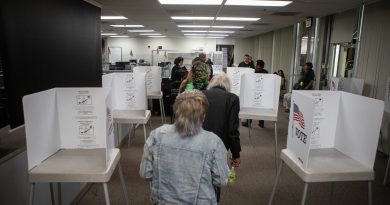
California voters are choosing who will lead the state’s public education system. But the offices they’re voting on — the next governor and the state superintendent of public instruction — aren’t quite what they used to be. A recent change in state law means each will have different responsibilities than their predecessors.
For more than a century, responsibility for California’s education system has been divided between these two elected leaders, each with significant authority, but neither fully in charge.
The governor, working with the State Board of Education and Legislature, sets policy and funding for education. The elected state superintendent has been responsible for running the California Department of Education and implementing state policy. Over time, that division of responsibility has made it difficult to establish shared priorities and determine who ultimately is accountable for results.
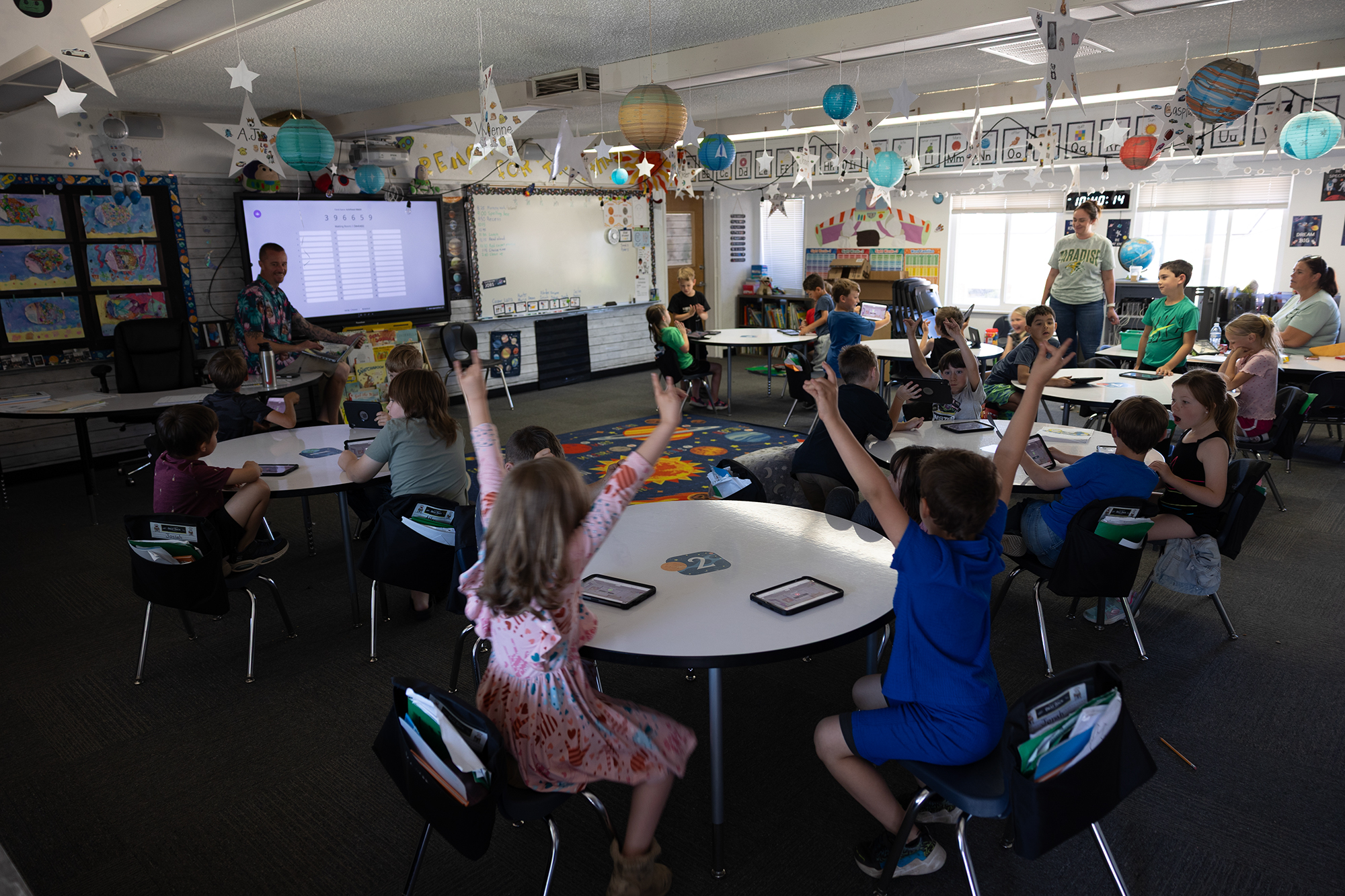
It has contributed to an increasingly fragmented system that educators often say is a source of burden rather than support. Teachers and school administrators spend enormous amounts of energy navigating competing initiatives, conflicting mandates, siloed funding streams and duplicative reporting requirements. These bureaucratic demands take time and attention away from the critical work of teaching and learning.
Students ultimately pay the price. Despite years of substantial investment and ambitious reforms, California’s student achievement rates remain low, with troubling gaps between different demographic groups.
Last year, my colleagues and I published a report last year calling for fundamental change in how California governs public education. Our central recommendation was straightforward: California should align the responsibility for setting and implementing policy in public education, with clearer accountability for results.
In July, California lawmakers took an important step in that direction. Under Assembly Bill 181, the governor will appoint a new education commissioner, who will run the California Department of Education, a responsibility historically held by the elected state superintendent.
Importantly, the first commissioner will be charged with improving the education department and developing a plan to make the broader education system more coordinated, responsive and effective.
For voters, this changes the significance of the governor’s race. The governor will now appoint the person responsible for carrying out state education policy and will have the authority to replace that person if the system falls short. Instead of the responsibility being divided between two independently elected leaders, there will be a clearer line of accountability from the Department of Education to the governor — and ultimately to the voters.
The state superintendent’s job is changing, too. Beginning in January, the superintendent will no longer run the Department of Education. Instead he or she will focus on representing the public’s interests and will independently assess how well the system serves students and families. This creates an important opportunity for voters — an independent voice that can serve as a counterbalance to the clearer lines of authority and accountability being established under the governor.
This change represents an important step forward. It addresses a longstanding structural barrier to effective leadership.
But changing who is in charge is only the beginning. The critics are right: A new organizational chart will not, by itself, improve teaching and learning. That work happens in classrooms.
But the state can make it easier — or harder — for educators to succeed.
In my work with educational leaders, I hear a consistent message: California needs clear goals for student success, policies and resources aligned around those goals, fewer unnecessary requirements and a coordinated approach to helping schools improve.
Achieving that vision will require shifting the state’s role from its current focus on requirements and compliance toward a shared responsibility for improving student outcomes.
That means coordinating efforts across agencies and levels of government, identifying and removing barriers to improvement and ensuring that educators and administrators have the guidance, resources and support they need.
None of this will be easy. The commissioner and state superintendent will enter newly defined roles with important questions about how they will work together and how the broader system should be organized.
Change is especially difficult when it requires eliminating familiar programs, redistributing authority or asking institutions to work differently.
Still, California has a once-in-a-generation opportunity to fundamentally change how the state supports local public schools. Lasting improvement will require leaders, educators, families, and communities to confront difficult tradeoffs and put students’ needs ahead of preserving the status quo.
Source link