Is the cost of living in France really going up?

The rising cost of living was one of the main reasons behind the October 17th protests in France – so which products have become more expensive and how much are prices rising by?
According to France’s national statistics institute, Insee, consumer prices in September had increased by an average of 3.1 percent compared with the same month last year.
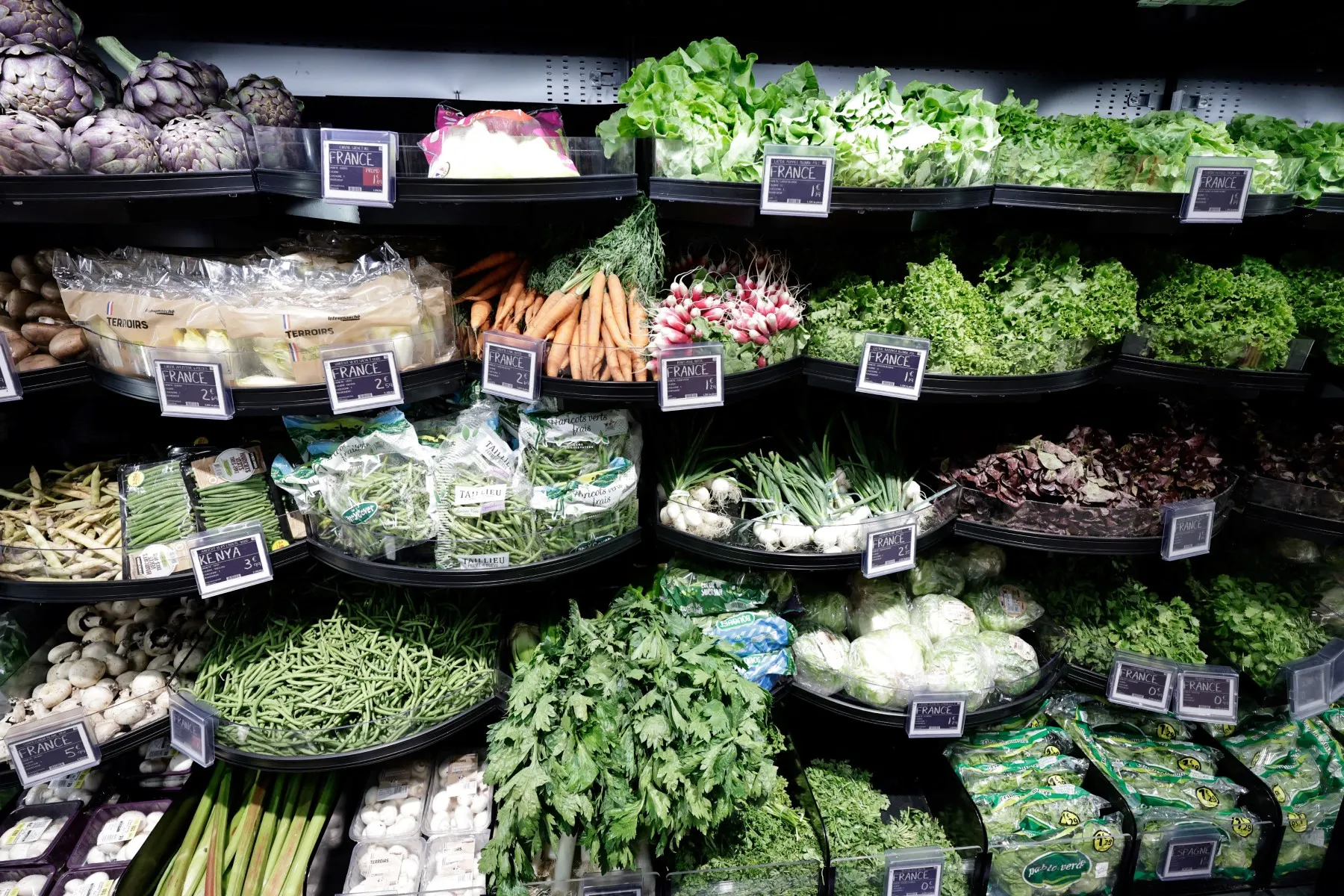
However, the increase varies considerably depending on the product, with fresh fruit, vegetables and fuel among the categories seeing some of the sharpest rises.
Don’t miss our journalists’ daily news roundup from France
Fruit and vegetable prices
Prices for what Insee classifies as ‘fruiting vegetables’, including tomatoes, squash, cucumbers and aubergines, rose by 35 percent in the year to September 2026.
Meanwhile, prices for asparagus, cabbage, spinach and artichokes increased by 23 percent. Frozen fruit prices were up by 21 percent over the same period, although the increase for other fruit was more limited, at around three percent.
Insee has attributed much of the increase in fresh produce prices to the drought and heatwaves experienced over the summer. The weather damaged crops, reducing supply at a time when demand remained high. Tomatoes, courgettes and lettuce were among the products that saw particularly sharp price rises.
Rent and services
The overall cost of what Insee designates as ‘services’ is also rising, with prices up by 2.4 percent in September 2026 compared with the same month last year, accelerating from 1.9 percent in August.
Making up the biggest chunk of most people’s monthly expenditure, rent/accommodation prices rose by 4.9 percent over the year.
Meanwhile home insurance costs increased by 4.4 percent. Prices for social care services, including childcare, care homes and home help, rose by 3.2 percent.
Communication services also remained more expensive – mobile communication prices increased by 17 percent.
Fuel and energy costs
Energy prices have also risen sharply. The annual increase accelerated from 16 percent in August to 21 percent in September 2026, according to Insee.
Over the 12 months to September 2026, the price of heating oil (which around 10 percent of the population, mostly in rural areas, use to heat their homes) rose by 64 percent. Natural gas prices – used for heating or cooking by around 30 percent of the population – were up by 19 percent.
Drivers were especially hard hit, diesel prices have increased by 44 percent in a year, while petrol/gasoline prices climbed by 25 percent.
Insee data also showed diesel reaching €2.41 per litre and unleaded 95 petrol costing €2.17 per litre.
The institute has linked the energy price increases to the conflict in the Middle East. Gas prices have also continued to rise, with no immediate relief expected in November.
READ MORE: French gas prices to rise again in November
Why have some food prices risen less than others?
Not all food products have experienced the same level of inflation. Prices for dry goods such as rice, pasta and tinned food rose by just 0.4 percent in September, a much smaller increase than that recorded for fresh produce.
One reason is the annual price negotiations between food producers and retailers, which generally take place at the beginning of the year and conclude in early March. These negotiations help determine the prices charged in supermarkets for the rest of the year.
This means that while some prices have already risen sharply, the impact of higher production costs on supermarket prices could continue to be felt in the months ahead.
Food prices have risen by almost 35 points in a decade
The recent increases come after a decade of rising food prices in France. According to Insee, the food price index has increased by almost 35 points over the past 10 years, with some products seeing much sharper rises than others.
Between August 2016 and August 2026, the average price index for fruiting vegetables, including tomatoes, cucumbers, aubergines and squash, rose by 112 points.
Other everyday products have also become significantly more expensive. Butter prices, for example, rose sharply from 2022, partly because of strong international demand and pressure on dairy supplies. Heatwaves, diseases affecting dairy cows and a decline in the number of farms have also contributed to the pressure on prices.
The Covid-19 pandemic and Russia’s invasion of Ukraine in February 2022 added to the problem. The war contributed to a global energy crisis, increasing the cost of electricity and the energy required to process, transport, refrigerate and freeze food.
Meanwhile, wages have struggled to keep pace with rising prices. Over the past decade, Insee’s index of food prices rose by around 35 points, while the basic monthly wage index increased by just 24 points.
READ ALSO: How much money do you need to live in France in 2026?