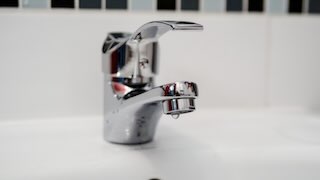
Leak Repairs: A Homeowner’s Survival Guide for Urgent Plumbing Issues
Plumbing leaks can be a homeowner’s nightmare, causing water damage, increasing utility bills, and leading to costly repairs if not addressed promptly.
Whether it’s a dripping faucet or a burst pipe, understanding how to tackle these urgent plumbing issues is crucial for maintaining a safe and efficient home environment. This guide offers practical advice on recognizing, addressing, and preventing leaks, ensuring your home remains a secure and comfortable haven. We’ll delve into common signs of plumbing leaks, immediate actions to take upon discovery, DIY repair techniques, and when it’s time to call a professional plumber.
Recognizing Common Signs of Plumbing Leaks
Identifying plumbing leaks early can save homeowners from extensive damage and costly Leak Repairs. One common sign is an unexpected increase in your water bill, which could indicate a hidden leak. Additionally, you might notice damp spots on walls or ceilings, which are often a sign of leaking pipes. Utilizing a Home Automation Hub can help monitor water usage, alerting you to potential leaks before they escalate into major issues. It’s also beneficial to conduct a regular Childproofing Assessment, ensuring that plumbing fixtures are securely installed and not prone to leaks due to wear and tear.
Immediate Steps to Take When a Leak is Discovered
Upon discovering a leak, the first step is to turn off the main water supply to prevent further damage. This simple action can significantly reduce the impact of a leak. Next, assess the situation to determine the source and severity of the leak. For those equipped with an Indoor Air Quality Monitor, it’s important to ensure that no mold or mildew has developed as a result of the leak, which can compromise air quality. Documenting the damage with photos can be helpful for insurance claims and repair assessments, especially if you employ a Smart Thermostat Integration to keep track of humidity levels in your home.
DIY Leak Repair Techniques for Homeowners
For minor leaks, DIY repair techniques can be both effective and economical. One common method involves using plumber’s tape to seal small leaks around joints and fittings. Additionally, homeowners can use pipe clamps or rubber patches for temporary fixes on larger leaks. However, it’s essential to verify that any materials used are Eco-Friendly Insulation Materials to ensure the repairs are sustainable and safe for the environment. For those interested in a comprehensive approach, conducting a Home Energy Audit can reveal additional areas of improvement to prevent future leaks and optimize the home’s efficiency.
When to Call a Professional Plumber for Leak Issues
While DIY solutions can be effective for minor leaks, some situations necessitate professional intervention. If the leak is extensive, causing significant water damage or affecting your home’s structural integrity, it’s time to contact a professional plumber. Licensed plumbers can conduct a thorough Leak Repairs process, ensuring that the issue is resolved efficiently. They can also provide insight into advanced systems, such as HVAC Zoning System adjustments, which might be necessary if the leak has affected heating and cooling efficiency. Furthermore, professionals are equipped to handle compliance issues like Lead-Based Paint Compliance, which might arise if the leak has damaged painted surfaces.
Conclusion
Addressing plumbing leaks swiftly and effectively is vital for maintaining a safe home environment. Recognizing early signs, taking immediate action, and knowing when to seek professional help are key components of a homeowner’s survival strategy. By following this guide, homeowners can reduce the risk of damage, decrease repair costs, and ensure their home remains a comfortable and secure place for their family. Investing in preventive measures, like Home Security System Configuration, can further protect your home from the repercussions of leaks and other urgent issues.