
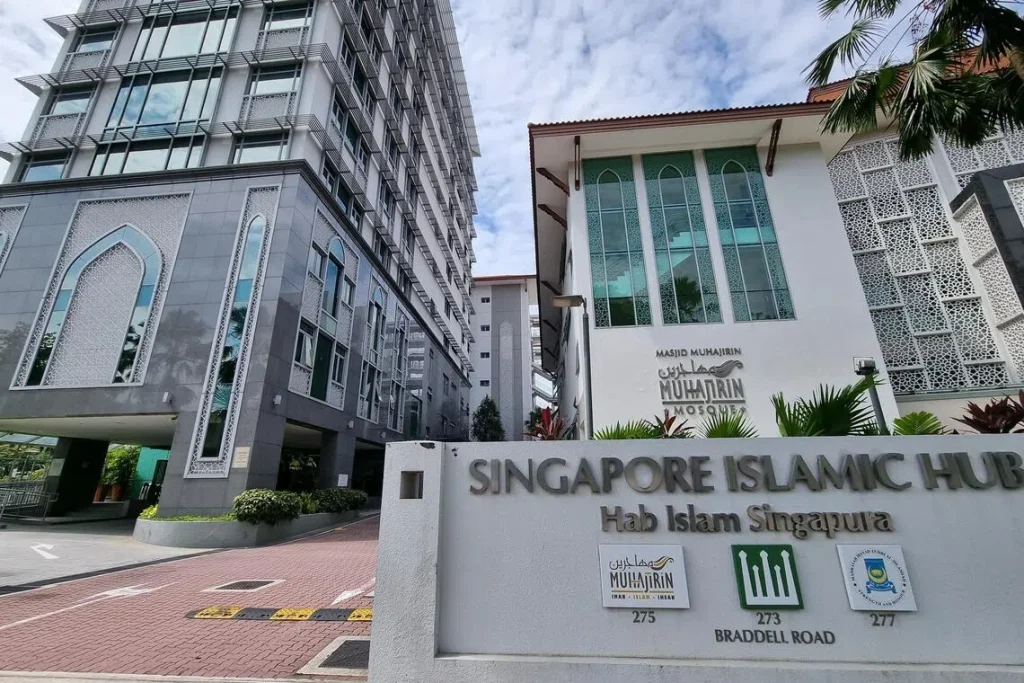
Muis requires registration for Islamic religious schools in Singapore
SINGAPORE – People or organisations providing Islamic instruction to 10 or more individuals on a regular basis in Singapore must be registered with the Islamic Religious Council of Singapore (MUIS) as a Muslim Religious School (MRS), said MUIS in a statement on Oct 3.
This applies whether the instruction is conducted physically or online.
MUIS officers will also be authorised to inspect registered MRS, including attending Islamic instruction conducted physically or online.
Around 50 individuals and organisations are expected to register as MRS under the updated requirements.
Existing registered MRS are not required to re-register, and may continue operating under their current registration.
Providers that meet the MRS definition but are not registered are given a grace period from Oct 2 to March 31, 2027, to submit their applications. They may continue operating during the transition period.
MUIS added that the updated requirements do not apply to the provision of Islamic instruction exclusively to family members, or the personal sharing of religious views with family and friends. They also do not apply to religious services that do not involve teaching.
The new provisions took effect on Oct 2, as MUIS strengthens safeguards for Islamic religious education in Singapore – including online learning – and provides the Muslim community with greater assurance that Islamic instruction is delivered by qualified and recognised asatizah, or Muslim religious teachers, through registered providers.
This comes after a recent case of a self-styled “religious influencer” who was sentenced for sexually abusing two young boys between 2022 and 2024 in various locations, including in a mosque.
The Committee to Strengthen Safeguards in Religious Settings was formed in September to look at ways to further strengthen safeguards for minors in religious settings like mosques, while preserving the open and welcoming nature of such institutions.
It is expected to submit its recommendations to the Government around end-2026, the Ministry of Culture, Community and Youth and MUIS previously said on Sept 30.
Its work focuses on the governance and safeguarding frameworks at mosques, madrasahs and Islamic education centres and providers, including the screening and oversight of people who work or volunteer with children, rules governing interactions with minors, and how concerns are reported and escalated.
MUIS has also said it will equip children, youth, parents and educators with practical knowledge and confidence to recognise concerns, respond appropriately and seek help when needed.
Additionally, mosque staff and volunteers will be trained to strengthen their ability to recognise signs of abuse or neglect and to respond appropriately to reports, as well as to maintain professional boundaries and to understand their safeguarding responsibilities.
In its Oct 3 statement, MUIS also announced enhancements to the Asatizah Recognition Scheme (ARS).
From Oct 2, new applicants for Tier 1 ARS recognition must hold at least a degree in Islamic Studies. This requirement will not apply to existing Tier 1 asatizah, including those whose applications are due for renewal.
Additionally, a one-year debarment period will apply for unsuccessful applicants, as well as those whose recognition has been cancelled or not renewed, to encourage prospective asatizah to take the time to improve their competencies before they reapply.
“The public is encouraged to seek Islamic instruction and guidance from ARS-recognised asatizah and registered MRS,” MUIS said in its statement.
It also encouraged qualified individuals willing to provide Islamic instruction regularly to apply for ARS recognition.