California says homes near former Exide plant are ‘clean.’ Soil samples raise questions
California has cleaned up lead-contaminated soil at thousands of homes in neighborhoods surrounding a shuttered battery recycling plant in southeast L.A. County, state officials say.
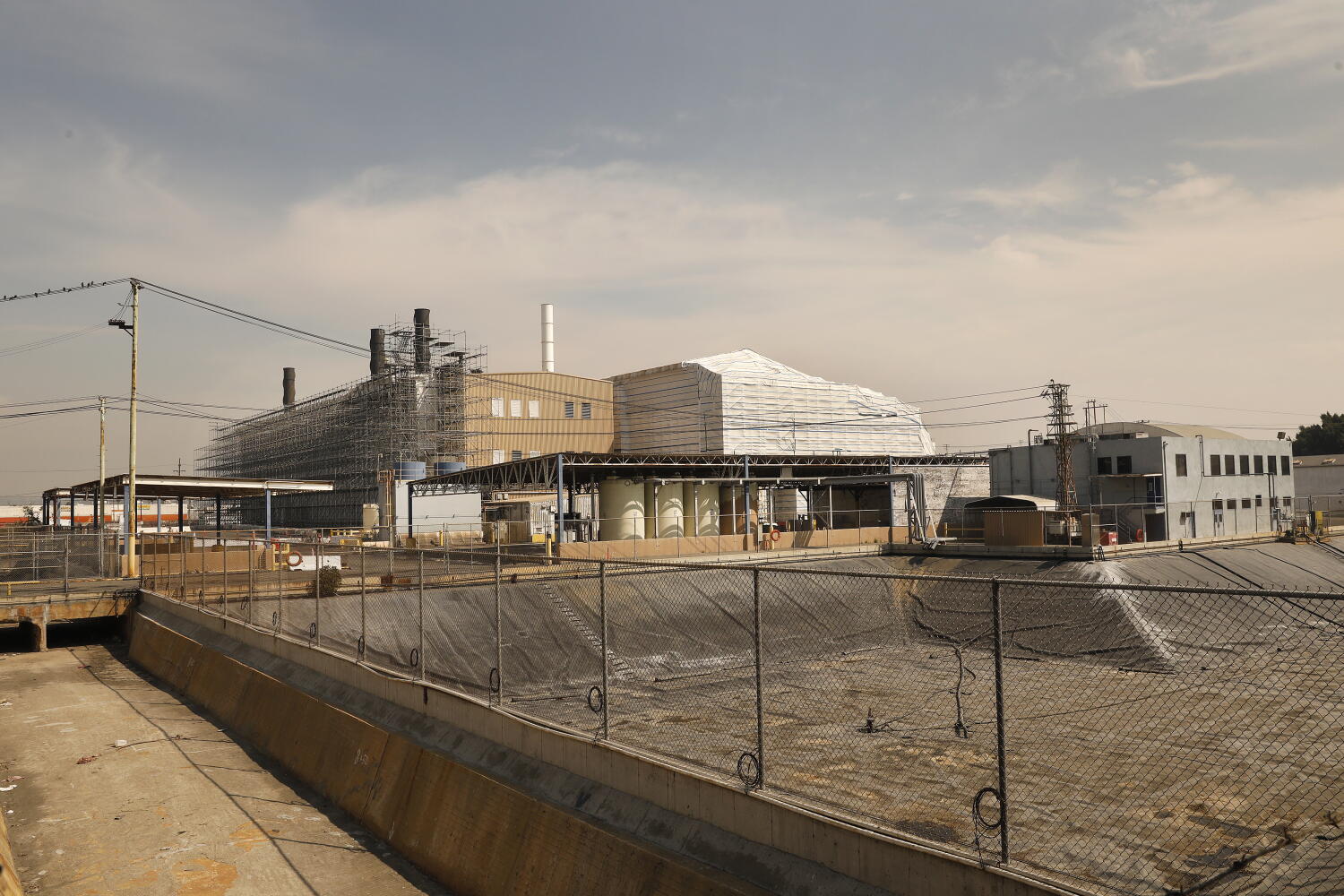
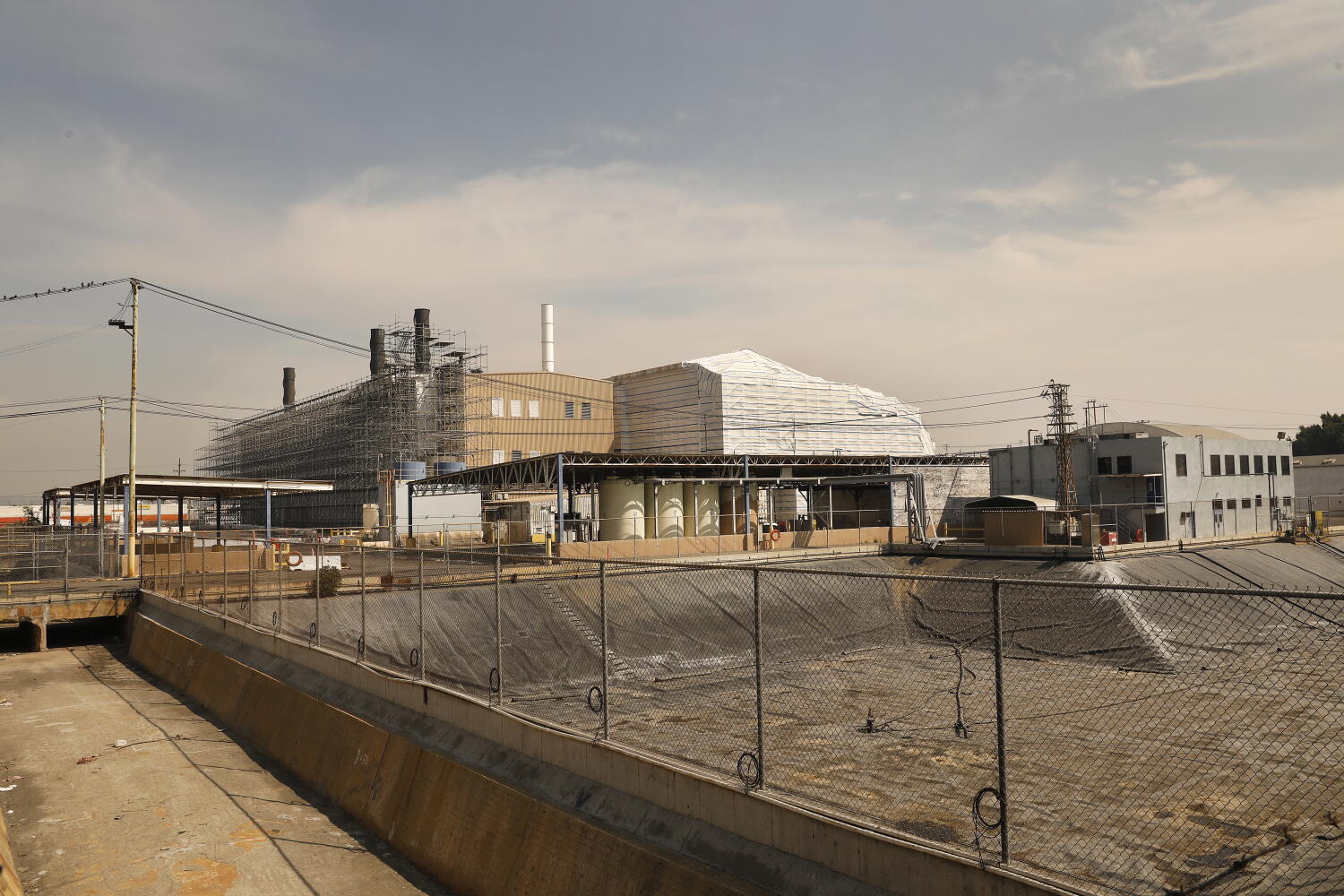
The former Exide facility in Vernon spewed toxic dust for decades as it melted down lead-acid car batteries for recycling. Its operations released lead dust across Boyle Heights, East Los Angeles, Commerce and Maywood while the state allowed the plant to operate for decades with a temporary permit.
“Every school, park, and childcare center in the affected area has been cleaned,” Gov. Gavin Newsom said in a statement Friday, “and nearly 6,500 homes have been made safer.”
The 6,500 figure, which was current as of Oct. 23, reflects roughly 80% of the 8,000 total eligible properties where owners granted access, according to the statement. That means there are about 1,500 properties left for the state to clean up.
“That is real progress for communities that waited far too long for justice,” Newsom said in the statement. “California will keep fighting to do right by the families of Southeast Los Angeles.”
In April, The Times reported on a study by a team of university researchers and a local environmental health organization that found some remediated homes still had lead levels above California’s standard for residential properties. The state Department of Toxic Substances Control (DTSC) had committed to performing soil testing at homes where work was done early in the cleanup process.
Not long after, the state officials began sending letters to homeowners detailing these soil testing results. Over a dozen homeowners were notified that DTSC had found lead levels above the state’s standard in individual soil samples. Many of these samples were deeper underground and in harder to reach parts of the property.
DTSC officials told homeowners that “these areas could not be removed because of physical limitations,” such as tree roots, utility lines, power poles or nearby structures. They added that clean soil and other landscaping materials have been placed over properties “to prevent contact with lead in soil.”
The results raised long-standing concerns over the quality of work and whether the lingering contamination could present risks to the residents.
The department could not immediately be reached for comment on the status of those tests.
Jane Williams, executive director of California Communities Against Toxics, said the results suggest that DTSC may need to redeploy work crews to do additional soil remediation at some homes. However, she said DTSC needs to shift its focus beyond the 1.7-mile cleanup zone, where independent soil testing had also found excessive lead.
“The $700-million cleanup of the hundreds of homes affected by the Exide Lead Smelter has done a great deal to remove lead from the community and make homes safer inside the 1.7-mile cleanup zone,” Williams said. “It does appear from the data the state recently released that some homes may not meet the cleanup goals and that additional work may be needed to ensure these homes meet the standard.”
The effort to clean up the facility started about a decade ago, soon after testing revealed elevated lead levels in nearby residential soil, according to Newsom’s office.
In March 2015, Exide closed its Vernon plant in an agreement with federal prosecutors to avoid criminal charges, The Times reported.
Under the agreement, Exide was supposed to pay for the cleanup. But in 2020, a bankruptcy court ruled that the company could abandon its shuttered Vernon plant, leaving the cleanup to California taxpayers.
Newsom’s office said California had spent more than $700 million to clean lead-contaminated soil around the Exide plant.
State lawmakers, including Newsom, have pushed for the site to be designated a “Superfund” priority site in the hopes that it would bring in additional federal funding to accelerate cleanup efforts.