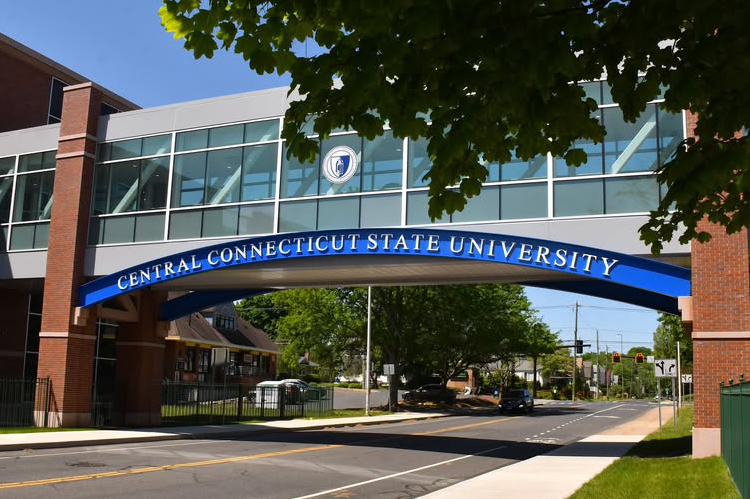
CCSU’s fresh start: Forget the past, remember your friends
Welp. The accountability turnstile has clicked again.
Central Connecticut State University has discovered a remarkably efficient approach to institutional reform. When a president resigns amid allegations of bullying, intimidation, and retaliation, replace her, promise to listen, and announce a fresh start. The investigation? Unfinished. The employees who raised concerns? Still waiting. The university? Already moving forward.
And if a senior position opens up, why not call an old friend?
Interim President Kimberly Kostelis succeeded Zulma Toro after serving five years as her provost. The old administration has left the building. Except, of course, for the people still running it.
In an October 19 WFSB interview, Kostelis spoke warmly about listening, rebuilding community, hearing quieter voices, and putting students first. All admirable sentiments. But when asked about the terminated investigation and whether those who filed complaints deserved closure, she defended the Connecticut State Colleges and Universities (CSCU) system’s decision to end it and emphasized the importance of moving forward.
Kostelis didn’t end the investigation. But she chose to defend the decision. An odd way to begin a new era of accountability.
Family therapists have a term for harmony maintained by avoiding painful truths: pseudomutuality. Add a little collective denial, and suddenly the family’s darkest secrets become less troubling than the person who insists on bringing them up.
Everyone smiles for the family photograph. Nobody asks why Aunt Accountability is locked in the attic.
Kostelis wasn’t an outsider brought in to clean house. She helped lead Central during the very years now under scrutiny. What complaints reached her office? How were they handled? And what responsibility, if any, does she acknowledge for the workplace culture she helped oversee?
Curiously, Kostelis seems willing to revisit another Toro-era initiative: Central’s proposed polytechnic designation. Apparently, looking backward is perfectly acceptable when university branding is on the table. Workplace accountability, however, is a renovation best left unfinished.
Then came the appointment of Tracey Matthews as interim provost.
Matthews has substantial academic and administrative credentials. She also has a longstanding professional relationship with Kostelis. The two coauthored a textbook, and in its preface Matthews recalled: “I had the privilege of having Dr. Kimberly Kostelis as my graduate assistant.”
The former graduate assistant became a colleague, coauthor, interim president, and eventually the person who appointed her former supervisor to Central’s highest academic office.
Higher education calls this professional networking. At Central, the academic buddy system apparently comes with executive placement services.
Knowing someone, of course, doesn’t prove favoritism. Which is precisely why a transparent appointment process and meaningful shared governance matter.
Central’s Committee on Appointments and Personnel first met on October 20. That afternoon, members interviewed Matthews and recommended considering additional candidates. Kostelis supplied materials from 11 applicants in an ongoing associate vice president search. Committee members identified two possibilities, interviewed one on October 22, and remained willing to interview the other if contact could be made.
Members had reservations about Matthews but considered her appointable and preferable to the second candidate interviewed.
In other words, faculty did their jobs. They interviewed candidates, weighed qualifications, raised concerns, and offered recommendations.
Democracy had been served. Or at least the consultation box had been checked.
On October 23, without further consultation or notification to the committee, Matthews’s contract was prepared, sent, and signed. Committee members learned this only on October 28, after coming across an October 20 news report stating that Matthews had announced her resignation from Jacksonville State the previous day at an Academic Affairs committee meeting.
October 19. A full day before Central’s faculty committee first met.
That timeline raises some obvious questions. Had Matthews already received assurances about the position at Central? Or had she independently decided to leave Jacksonville State? The resignation announcement doesn’t tell us. What we do know is that she publicly announced her departure before Central’s faculty consultation even began.
So what happened to Kostelis’s much-publicized commitment to shared governance?
Faculty were consulted, yes. But they were left out when it mattered most. No final discussion. No notification that a contract had been signed. No explanation until committee members went looking for one.
At Central, shared governance apparently means being invited to speak, then finding out what happened after everyone stopped listening.
To be clear, shared governance doesn’t mean faculty appoint the provost or get veto power over the president’s decisions. But surely it should mean good-faith consultation, transparency, and some basic respect for the people asked to participate.
Otherwise, why bother? Faculty get speaking parts while administrators write the ending.
It’s a strange opening act for a university promising to change its leadership culture. The interim president publicly champions transparency and shared governance, then appoints a longtime professional associate through a process that leaves faculty wondering whether the decision had already been made before they entered the room.
A fresh start, apparently, doesn’t require fresh habits.
And this is where Kostelis’s interview and the appointment become especially revealing. Taken together, they suggest a troubling approach to leadership: Listen to employees, but don’t revisit the investigation. Consult faculty, but don’t necessarily tell them when the decision is made. Promise change, but steer clear of the uncomfortable questions that might actually require it.
None of this proves wrongdoing. But Central’s fresh start is beginning to look an awful lot like painting over cracks and declaring the building repaired.
Listening isn’t the same as answering. Consultation isn’t necessarily shared governance. And moving forward isn’t the same as making things right.
Dysfunctional families can be remarkably good at keeping up appearances. Everyone gathers around the dinner table. Everyone agrees things are better now. And anyone who dares mention what happened last year is accused of ruining the evening.
At Central, the table is set. The guests already know one another. The investigation has disappeared from the menu. And faculty are left wondering whether dinner was ordered before they arrived.
“Together, we will move forward,” Kostelis promised.
Apparently, the CCSU family’s fresh start begins by making sure nobody opens the attic door.