Dems flipped legislatures, won trifectas and toppled supermajorities
Democrats seized more power over state governments than the party has had in years after the party swept races up and down the ballot in Tuesday’s midterm elections.
Republicans have held a majority of state legislatures and governorships since 2010. But that reign appears over as Democrats swept a majority of governorships and state legislative chambers.
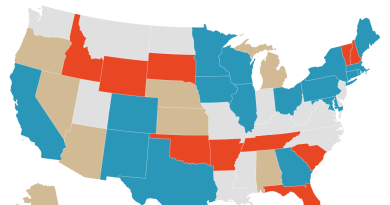
Tracking from the Democratic Legislative Campaign Committee on Wednesday showed the party had flipped 12 chambers so far, winning the most chambers since 2008 and putting Democrats in control of more than half the nation’s state legislative chambers.
“With this sweep, Democrats have achieved their best performance since the Watergate scandal,” the committee, which works to elect Democrats at the state level, said in a news release Wednesday.
Unofficial results show Democrats will control the Arizona legislature for the first time in 60 years. Building off a historic sweep of statewide races, Democrats are poised to take control of the Texas House for the first time in over 20 years. In North Carolina, Democrats flipped several House seats held by influential, veteran Republicans to give the party control of the lower chamber for the first time since 2010.
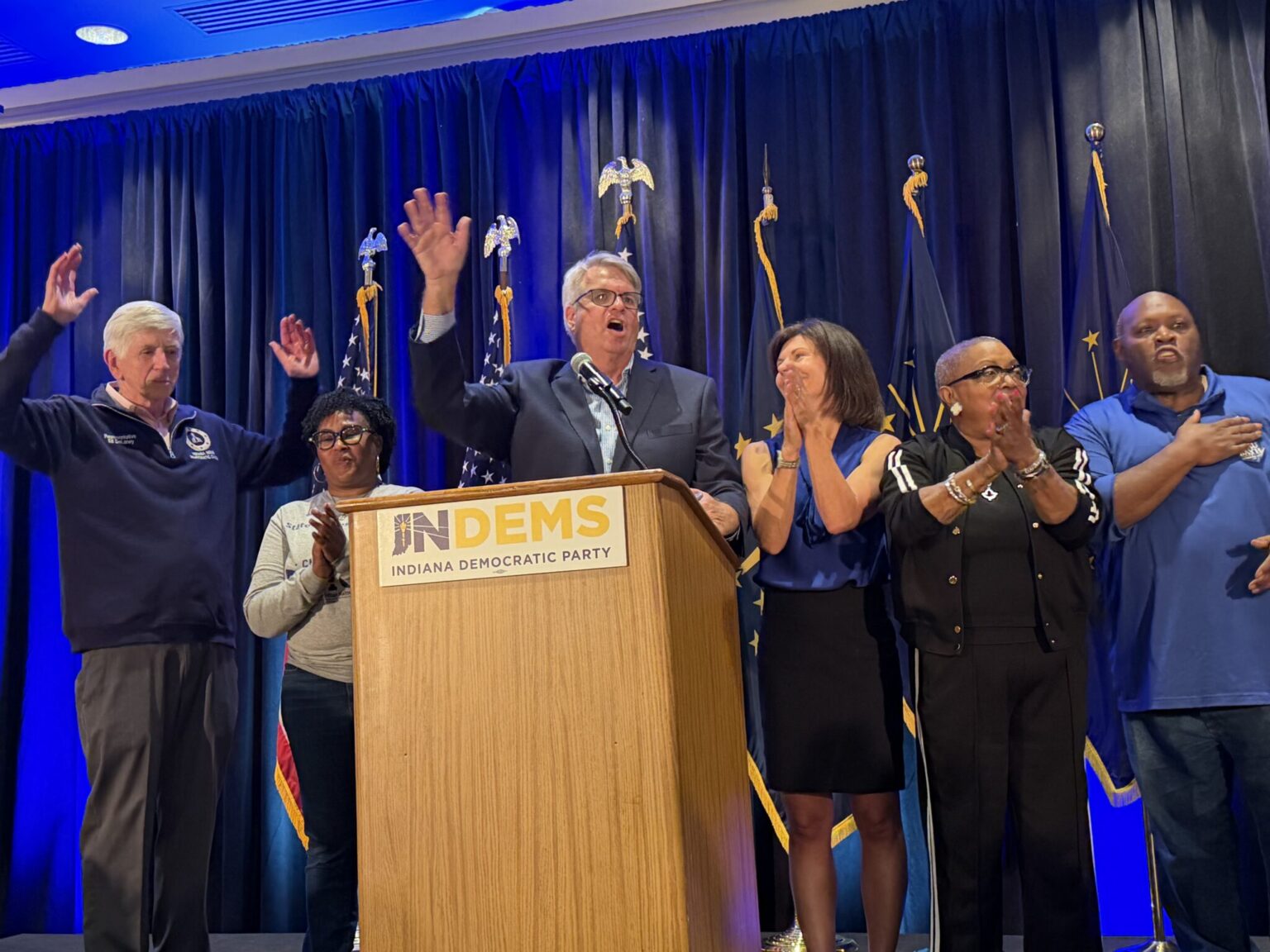
“We have the power to make this state better,” state Rep. Robert Reives, who was introduced as the next House speaker, said Tuesday night.
Many legislative races had yet to be called by midday Wednesday. But the National Conference of State Legislatures said current results showed Democrats would secure new trifectas – control of both chambers and the governor’s office – in Michigan, Minnesota, Nevada, Pennsylvania and Wisconsin. Democrats also broke Republican trifectas in Georgia, Iowa, Ohio and Texas.
Additionally, Democratic wins crushed GOP supermajorities in several states. In Florida, the loss of the Republican supermajority takes away the party’s power to override rules regarding procedure and debate and override the governor’s veto.
Democratic gains also ended supermajorities in the Indiana state House, the Kansas House, both of Missouri’s legislative chambers, the Ohio House, and the South Carolina House.
In a statement on Wednesday, the Republican State Leadership Committee, which works to elect Republicans at the state level, cited an “historically difficult political environment” facing the party.
“Democrats made state legislative races a national priority, pouring unprecedented resources into these contests because they understand the power state legislatures hold in shaping policy and building the pipeline for the next generation of leaders,” President Edith Jorge-Tuñón said in the statement. “In many key battleground states, the national political environment and the impact of top-of-the-ticket races significantly affected our candidates’ ability to defy historical trends.”
This story was first published Nov. 4, 2026 by Stateline.