Outsider poised to become New Zealand’s kingmaker
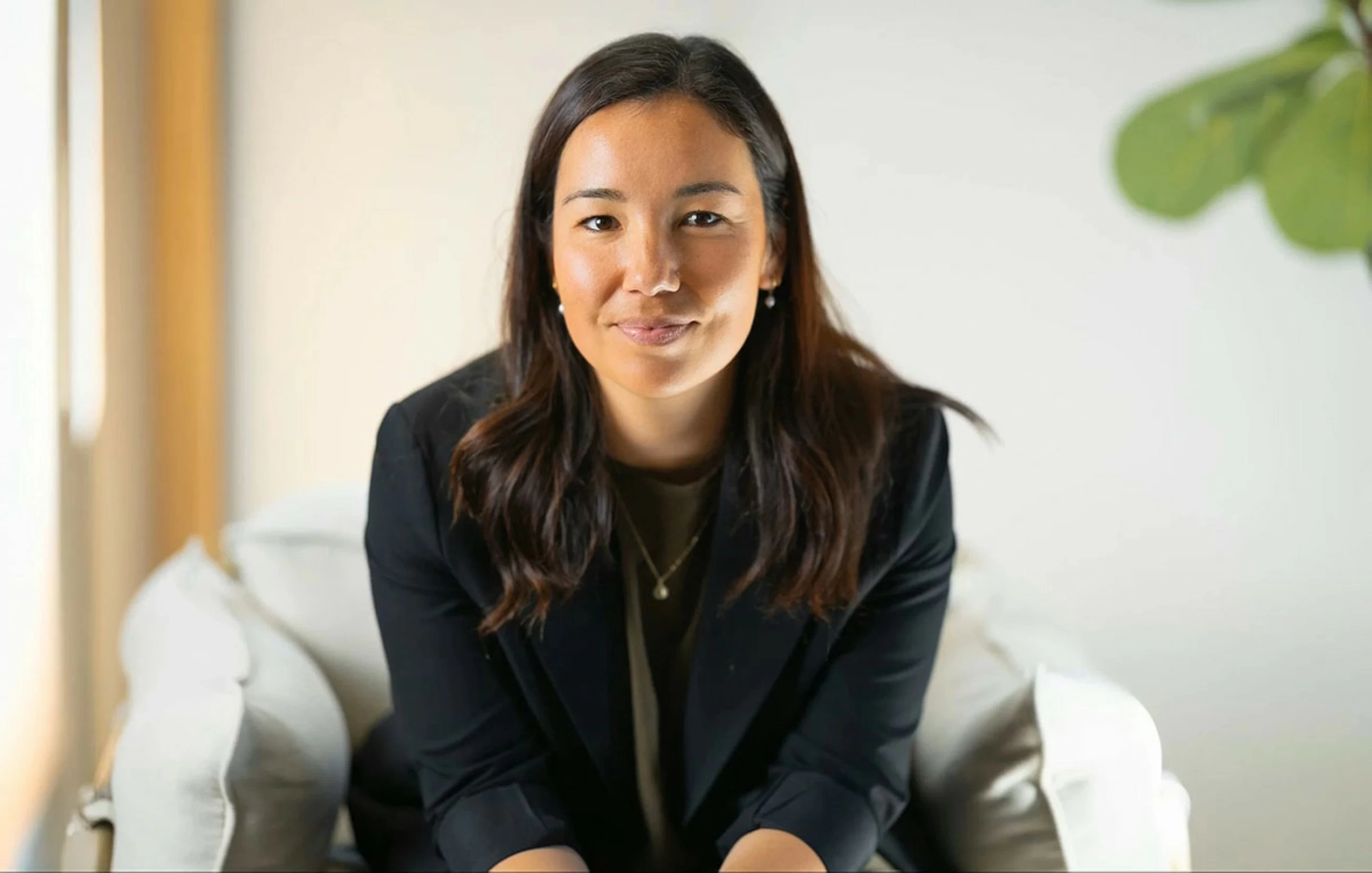
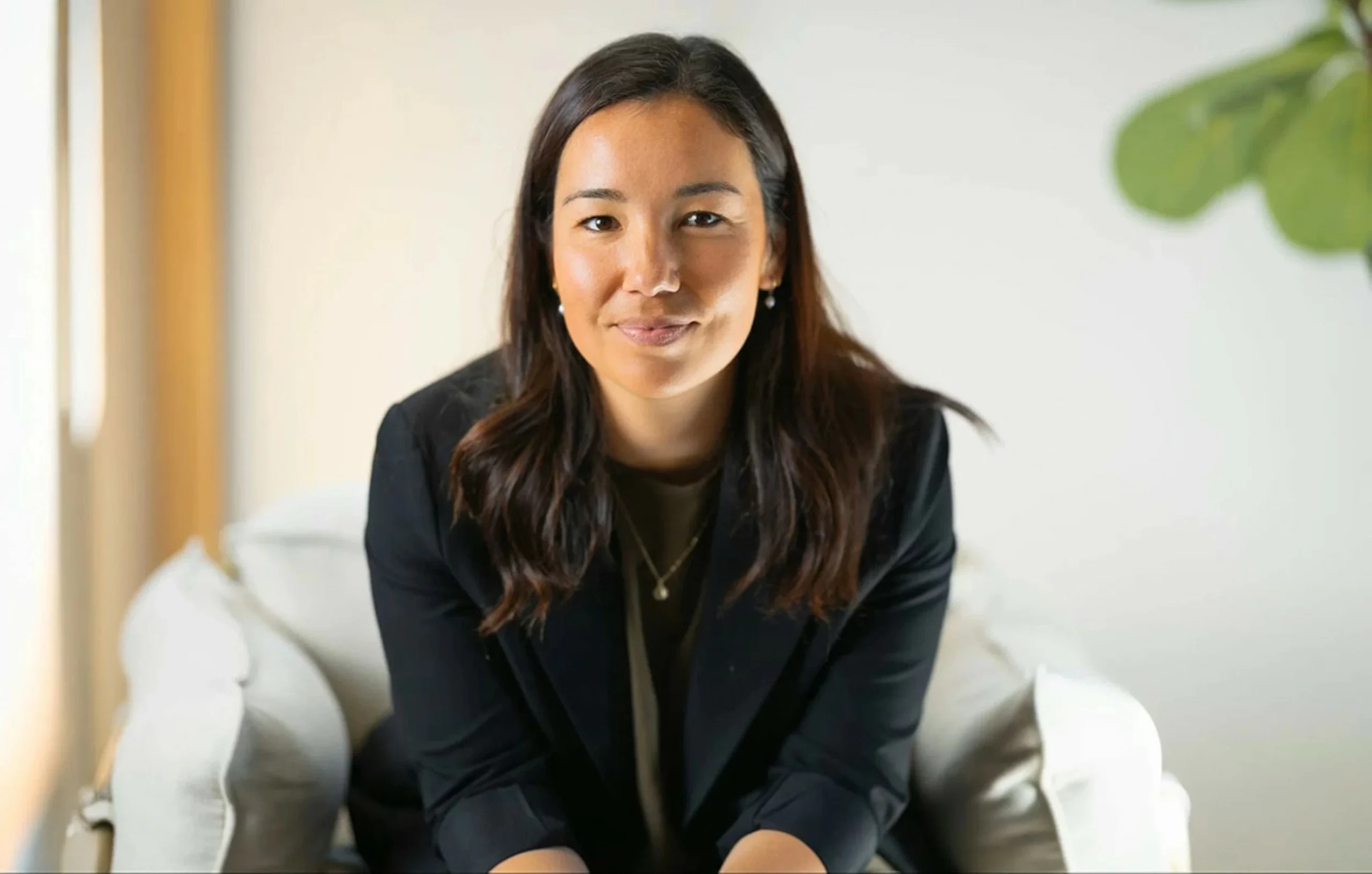
Fifteen months after spotting a job ad seeking a new leader for a political party, Qiulae Wong looks set to lead New Zealand’s centrist Opportunity Party into parliament – and possibly appoint the next prime minister. The 38-year-old former KPMG consultant took over a party polling at about one percent in August last year, and has overseen a climb to about seven per cent in several recent polls – which could finally see Opportunity meet the five per cent threshold needed to enter Parliament.
She preaches “pragmatic politics” as a counter to growing polarisation, saying she wants to “bring the heat down a little bit and actually just focus on moving the country forward.” It’s a pitch that seems to be landing with New Zealand voters and would constitute a rare example in the past 30 years of a new party emerging that hasn’t been born of former members of the two main National and Labour parties.
Upstart parties often struggle to carve out five per cent of the party vote – one of two electoral pathways into parliament – and a top question for election night is whether Opportunity’s recent strong poll results translate into votes that hit the threshold, an outcome analysts say is not guaranteed. Establishment parties worldwide have been losing support in recent elections, replaced by a surge in populist movements touting more radical policies on the left or right.
But Wong, who is of Chinese and European descent and was born in Fiji, told AFP that New Zealanders were bucking that trend because they are “very caring and centrist people.” “We do believe in having a strong economy and a thriving environment, and so that pitch around working together on our big issues resonates with many New Zealanders,” Wong said.
“I think New Zealanders are really tired of politicians’ name-calling, the bickering, the political point-scoring. “They want something different, and they really want some hope and optimism for the future.” Massey University politics professor Richard Shaw told AFP Opportunity’s rise had been “remarkable,” given its differences to other New Zealand political parties and due to the relative inexperience of Wong. And he compared Wong to former prime minister Jacinda Ardern, whose star power made her a global progressive icon. “I think the way in which both of those two relatively young women are attempting a different style of politics is something that marks Wong apart,” he said.
“At a time when the politics of this country are becoming more fraught and more feral and more shouty, and there is horrendous online trolling of women in public life, you’ve got this woman who’s coming in saying ‘I’m leading a party and we’re going to do it this way’. “I think that appeals to people.”
Political polling heading toward Nov.7 has Wong’s Opportunity Party in a kingmaker position, deciding whether a left-wing Labour-led coalition or a right-wing National-led coalition will rule for the next three years. The current right-wing coalition is attempting to engineer a voter overhang under New Zealand’s MMP system, which Shaw believes could mean Opportunity aren’t needed.
But he said that would be the best thing for the party, which could be swallowed if it joined any coalition. “Sitting on the crossbenches allows them to learn how to become parliamentarians and figure out how Parliament works without taking on the double burden of learning to be ministers at the exact same time,” Shaw said.
“If tactically they get the choice of whether or not they go into full formal coalition or sit on the crossbenches wrong, that party could be wiped out with the 2029 election.” When Opportunity was first formed in 2016 by millionaire economist Gareth Morgan, he said the party would not seek to go into government, instead supporting legislation on a case-by-case basis.