Thousands of young doctors deployed to France’s ‘medical deserts’

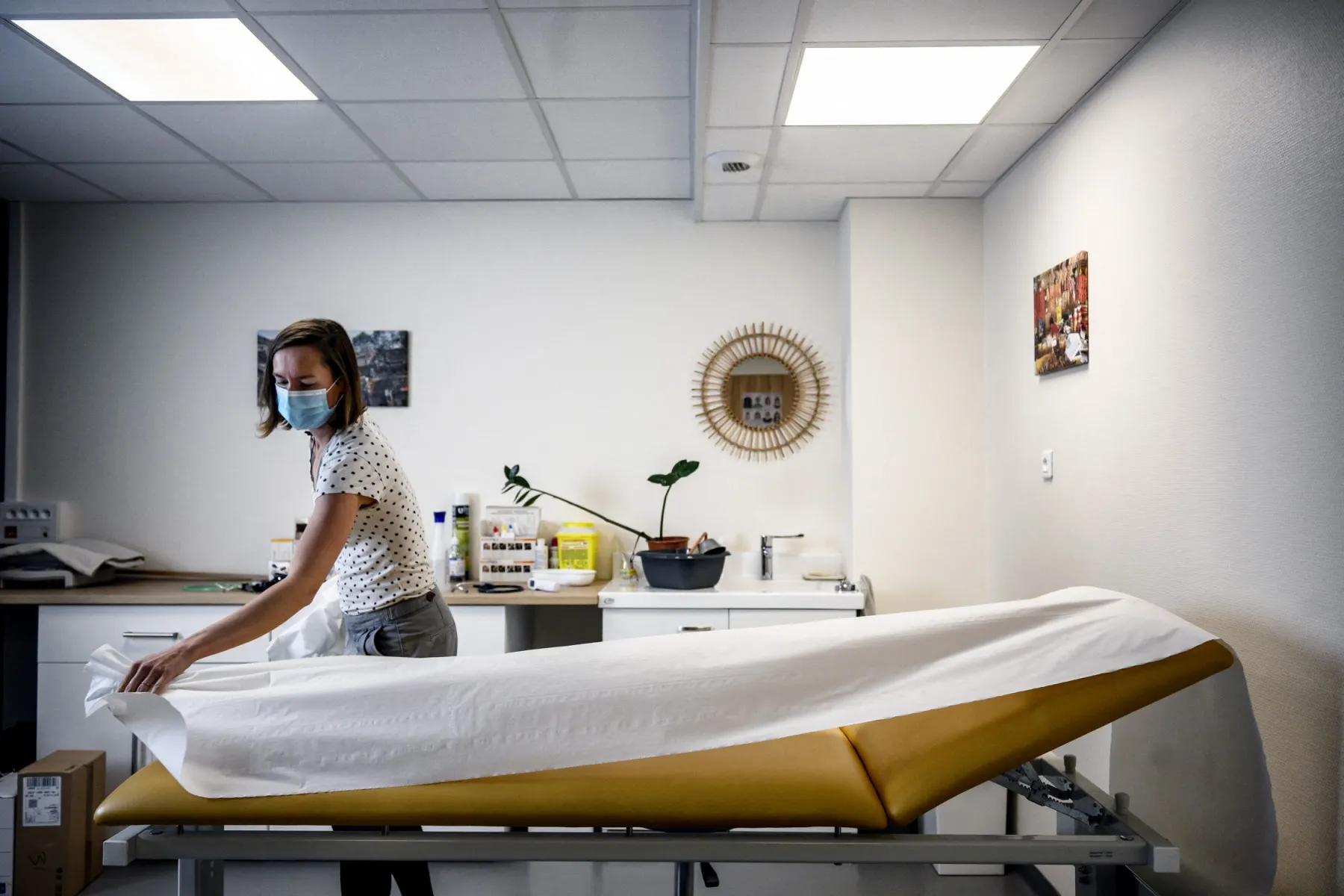
From Monday, almost 3,000 young doctors are taking up roles in areas with a shortage of doctors, many of them in rural France, to make it easier for patients to get an appointment.
Over the next few months there will be “several million extra appointment slots, closer to patients”, promises the French health ministry.
This is due to the start of a new scheme proposed last year as a way of addressing the country’s ‘medical deserts’ – areas where there are not enough doctors and where patients therefore find it difficult or impossible to get an appointment when they need one.
It’s estimated that around two-thirds of France does not have enough doctors, with the problem especially acute in rural areas – the worst affected are médecins généralistes (GPs or family doctors), but paediatricians and dentists are also in short supply.
READ ALSO: What to do if you live in one of France’s ‘medical deserts’
The start of the new doctors on Monday, November 2nd, in medical centres around the country is the culmination of a long-term plan.
First, back in 2017, the Macron government scrapped the cap on the number of places available in medical school, in order to allow more doctors to be trained.
Then in 2022 the government proposed a change to GP training – extending the training period by one year, but making the final year one of working in medical centres, to give them practical experience.
Known as docteurs juniors, the young medics will treat patients three or four days a week, under the supervision of a mentor, and have one day a week of training – including the practicalities of setting up their own medical centre in the future.
These doctors are paid for their work in the final year – roughly half of what a fully qualified GP would earn – but cannot set up their own practice until they have completed the final year of in-work training. If they go to an area officially classified as a medical desert, they receive a monthly bonus of €1,000, while there are extra bonuses on offer for out-of-hours work.
Professor Olivier Saint-Lary, a GP in Poissy (Yvelines) and teacher of medical students, says: “This year of consolidating their training comes after they have already qualified in other medical specialities.
“They will be able to practise independently, whilst still having the option to contact their supervising consultant if necessary. The aim is not to prioritise productivity at all costs, but above all to support them so that they feel better prepared to set up their own practice straight afterwards.”
The 2026 cohort are the first students to take part in this scheme, and there are 2,700 of them who will begin work over the next few weeks.
The problem of France’s medical deserts is a long-standing and complicated one, with the nature of how GPs are employed making it more difficult for the government to resolve.
READ ALSO: MAP: More doctors in France — but massive medical deserts remain
All of France’s GPs are self-employed – they set up a cabinet either alone or with colleagues and run it like a business. Patients pay them directly for appointments, and the government reimburses the patients via the public health model.
This means that doctors can set up their cabinets wherever they like, and the government has no say over it.
As an older generation of doctors retire, and young ones prefer to set up in cities, the problem has become more acute and local authorities have resorted to offering inducements, including free housing, to persuade doctors to set up a cabinet in their town.
The health ministry estimates that around 80 percent of the junior doctors who start work this week will be in areas considered to have a shortage of medical services.