Key developments in protests and crackdown in Delhi
Were Saurav Das and Ashutosh detained for breaching a peace bond, or were preventive powers being used to restrict their right to protest?
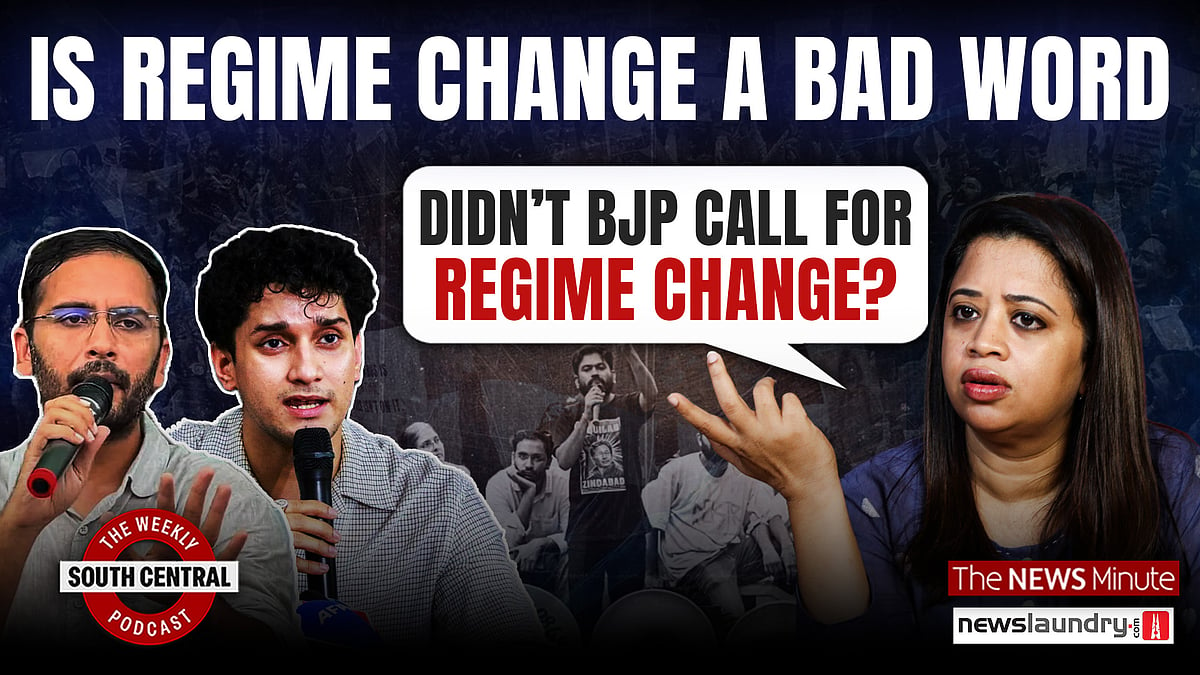
In this week’s South Central, hosts Dhanya Rajendran and Pooja Prasanna examine the legal questions surrounding the detention of Saurav Das and Ashutosh Ranka, the use of peace bonds and the limits of the state’s power to prevent protests. They are joined by Apar Gupta, advocate and founder-director of the Internet Freedom Foundation, to discuss the role of executive magistrates, preventive detention and the implications for the right to dissent.
The discussion examines how executive magistrates can require people to sign peace bonds to maintain public order, and what happens when authorities subsequently detain them for allegedly violating those conditions. It also looks at the distinction between preventing a possible breach of peace and using preventive powers to restrict people’s freedom to protest.
Apar Gupta questions the legality of the detentions, arguing that the authorities’ actions in this case were unlawful and that the two men should have been released. The conversation also explores the powers exercised by executive magistrates, the potential for their misuse, and why legal safeguards are necessary to ensure that measures intended to maintain public order do not become a means of curbing constitutional freedoms.
In the second part of the episode, the hosts speak to Sravasti Dasgupta of The Wire about YSRCP chief Jagan Mohan Reddy’s statement that he regrets supporting the 2023 law governing the appointment of Election Commissioners, and what this could mean for the political positioning of parties that have maintained that they are not aligned with either the BJP-led NDA or the INDIA bloc.
The discussion examines how YSRCP and the BJD have often supported the BJP in Parliament despite publicly maintaining their distance from its alliance. Dasgupta discusses why Jagan’s admission is significant, particularly given that the law was passed after 146 MPs were suspended from Parliament, and the opposition’s demand to reconsider provisions granting Election Commissioners lifelong immunity after retirement.
The panel also looks at whether regional parties that have kept their distance from formal alliances could move closer to the opposition, or begin opposing the NDA on key legislation. Naveen Patnaik’s criticism of the BJP following the BJD’s electoral defeat in Odisha, along with questions over the opposition’s ability to accommodate regional parties, forms part of the wider discussion on shifting political equations.
Tune in to the full discussion here.