Bruns leads specialised taekwondo camp at Sharjah Women’s…
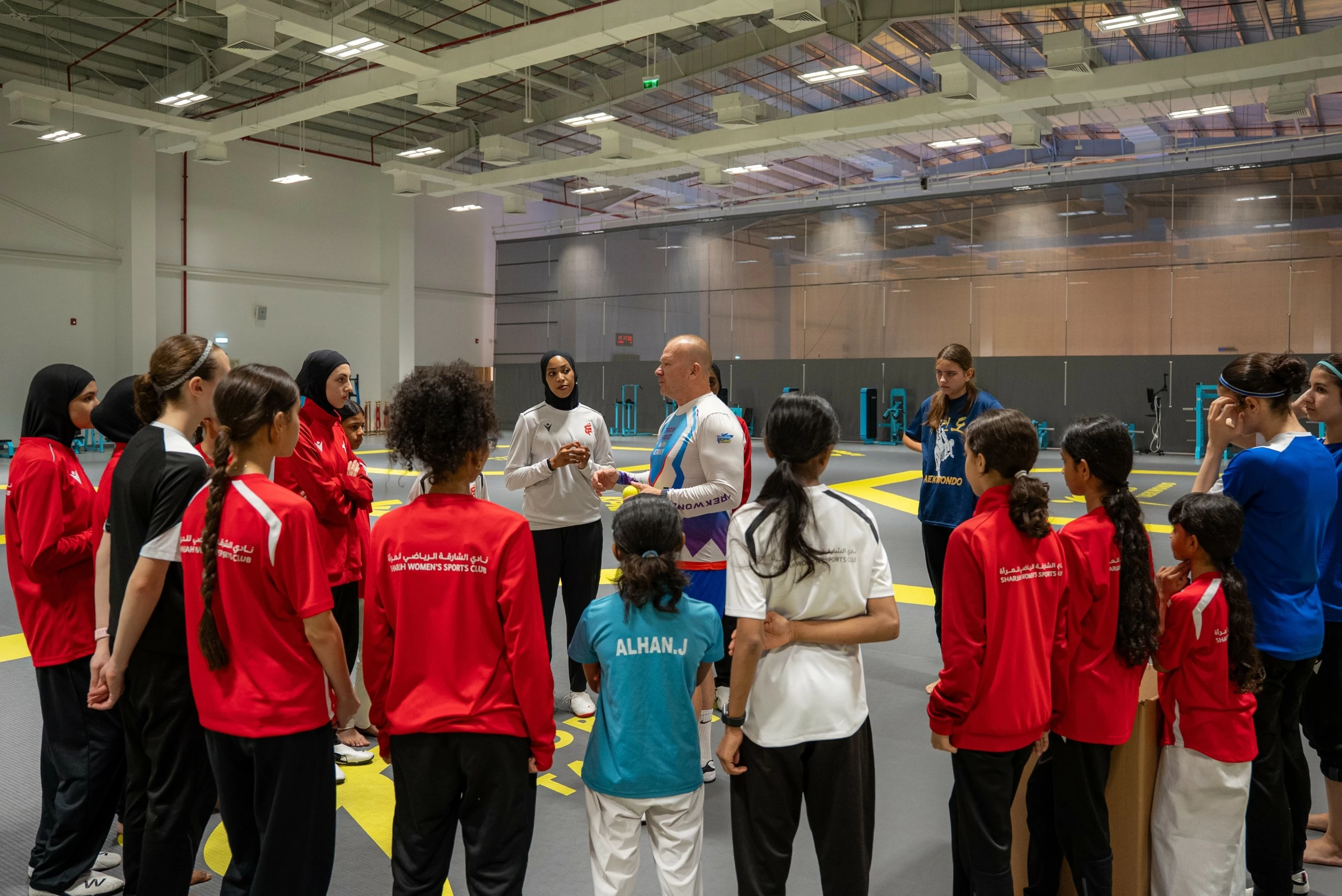
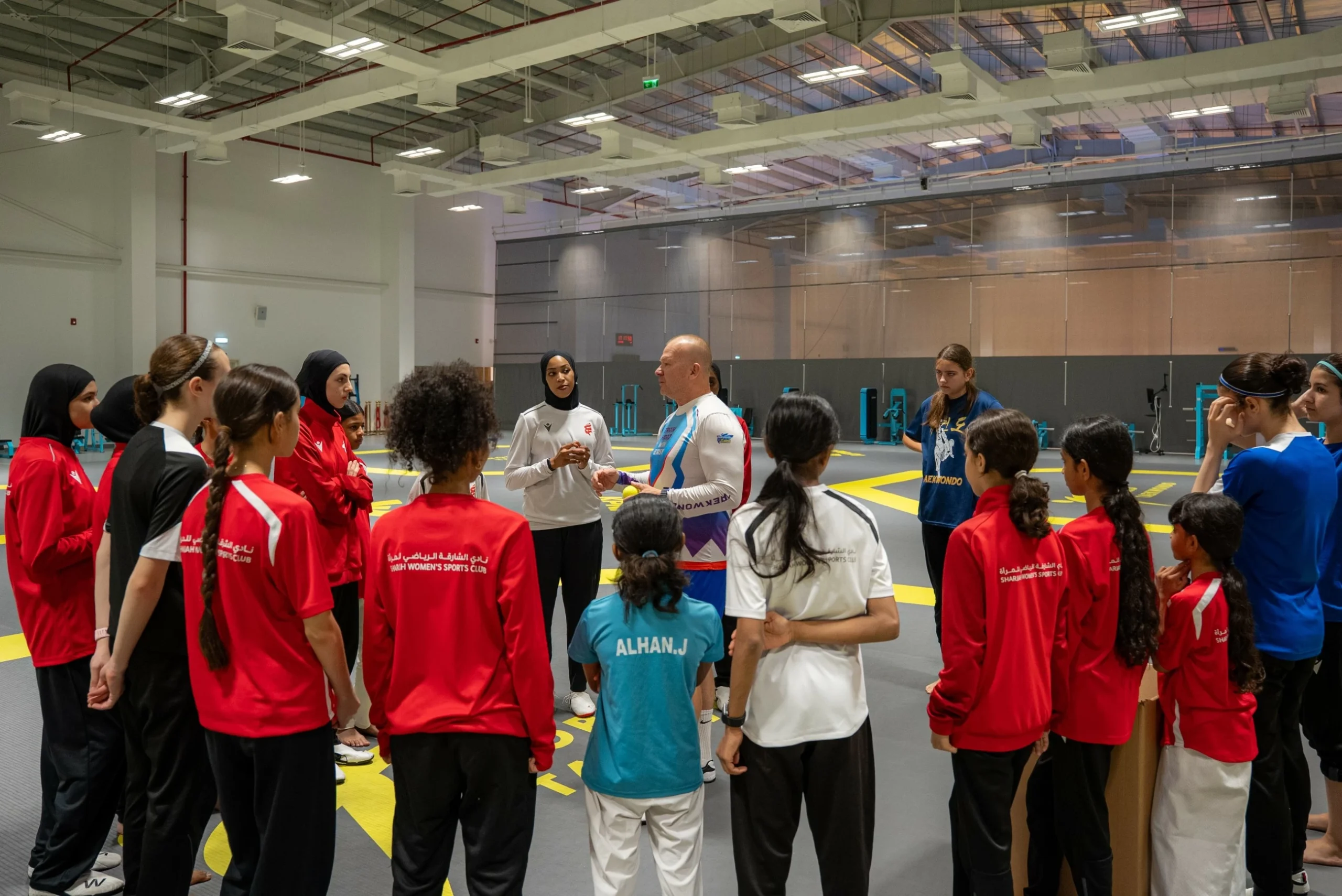
Sharjah Women’s Sports Clubs hosted international taekwondo coach Valera Bruns for a specialised training camp at the Sharjah Women’s Sports Olympic Centre from October 9 to 15, 2026, as part of efforts to strengthen the technical and tactical abilities of young athletes and prepare them for higher levels of competition.
With more than 30 years of experience in Olympic taekwondo, Bruns brings extensive international expertise to the programme.
He spent several years working with the Ukrainian national team and has also coached athletes from the German national team, alongside involvement in international championships, training camps and seminars. His coaching career has also included World Championship medals at Cadet and Junior levels.
The intensive training programme featured two daily sessions, held in the morning and evening, focusing on refining technical skills, improving tactical awareness and enhancing performance under conditions that reflect the demands of competition.
The programme places particular emphasis on performance analysis, technical corrections, faster decision-making and the ability to adapt to different fighting styles. It also aims to improve athletes’ composure and effectiveness under competitive pressure, while giving the technical team an opportunity to assess the athletes and identify the development needs of each age group.
The camp forms part of the Skill and Tactical Performance Development Initiative for Age-Group Athletes, delivered by Sharjah Women’s Sports Clubs. The initiative focuses on developing athletes progressively and connecting specialised training with international exposure and experience to support their transition to higher levels of competition.
Bruns praises athletes’ potential and commitment: Reflecting on his experience with the athletes, Bruns praised their discipline, enthusiasm and willingness to learn.
“What stood out to me from the first training sessions was the athletes’ discipline, their strong desire to learn, and how quickly they responded to technical guidance. Several are still young, but they have a good foundation and clear potential to build on, which is very important at this stage of an athlete’s development,” he said.
He stressed that reaching international standards, and ultimately working towards Olympic ambitions, requires sustained commitment and a carefully structured development plan.
“Reaching international standards and then working toward Olympic ambitions does not happen through a single championship or training camp. It requires a long-term plan, consistent training, and regular exposure to different competitive levels and approaches. What I have seen here gives me confidence that there are promising athletes who can reach advanced levels if this structured approach continues,” Bruns said.
He also praised the facilities at the Sharjah Women’s Sports Olympic Centre, highlighting the importance of a high-quality training environment in supporting athlete development.
“A training environment of this quality plays an important role in athlete development. The Centre provides facilities and equipment that help coaches and athletes carry out high-level training programmes. With this infrastructure and consistent technical work, the opportunities for development become much greater,” he added.
Abdullah Hatem highlights the value of international expertise: Abdullah Hatem, Taekwondo Technical Director at Sharjah Women’s Sports Clubs, described Bruns’ visit as a valuable opportunity within the clubs’ athlete development programme.
“Hosting a coach with this level of experience is a valuable opportunity within our athlete development programme. It allows us to work directly on technical and tactical details over an intensive period and closely monitor how each athlete responds. The real value of these camps extends beyond the training sessions themselves to exchanging expertise, looking at performance from a different perspective, and learning from coaching approaches shaped by extensive international experience,” Hatem said.
He added that such visits form part of a broader development pathway alongside international competitions and overseas training camps.
“We want these visits to form part of an integrated pathway alongside international competitions and overseas training camps, so that experience continues to build and translates into measurable improvements in the athletes’ performance. These experiences also give the technical team an opportunity to discuss training, assessment, and planning methods, supporting the long-term development of age-group athletes and gradually preparing them for higher levels of competition,” he said.
Majda Al Ketbi says small details can make a big difference: Athlete Majda Rashid Al Ketbi said the camp had given the athletes a different training experience and an opportunity to focus on the finer details that can influence the outcome of a bout.
“Training with a coach who has this level of experience gave us an opportunity to look at our performance differently. We focused on precise details in movement, timing, reading the opponent, and making decisions during a bout. Sometimes these small details are what make the difference in a match,” she said.
She added that the intensive programme had allowed the athletes to immediately apply the feedback they received during training.
“The camp is intensive, but it gives us a great opportunity to learn and try new approaches. Most importantly, we have been able to apply the feedback immediately during training. For me, this experience provides greater motivation to work on my weaknesses and prepare better for upcoming competitions,” Al Ketbi said.
Bruns’ visit reflects Sharjah Women’s Sports Clubs’ approach to bringing international technical expertise into the local training environment. Alongside international competitions and overseas training camps, specialised programmes held at the Sharjah Women’s Sports Olympic Centre broaden access to learning opportunities and enable both athletes and technical teams to build their experience.
By combining specialised coaching, high-quality facilities and a long-term approach to athlete development, the clubs aim to strengthen technical standards, enhance competitive readiness and support the progressive development of young taekwondo athletes towards higher levels of international competition.