Israeli defense officials monitor Iran amid civil unrest risks and proxy threats
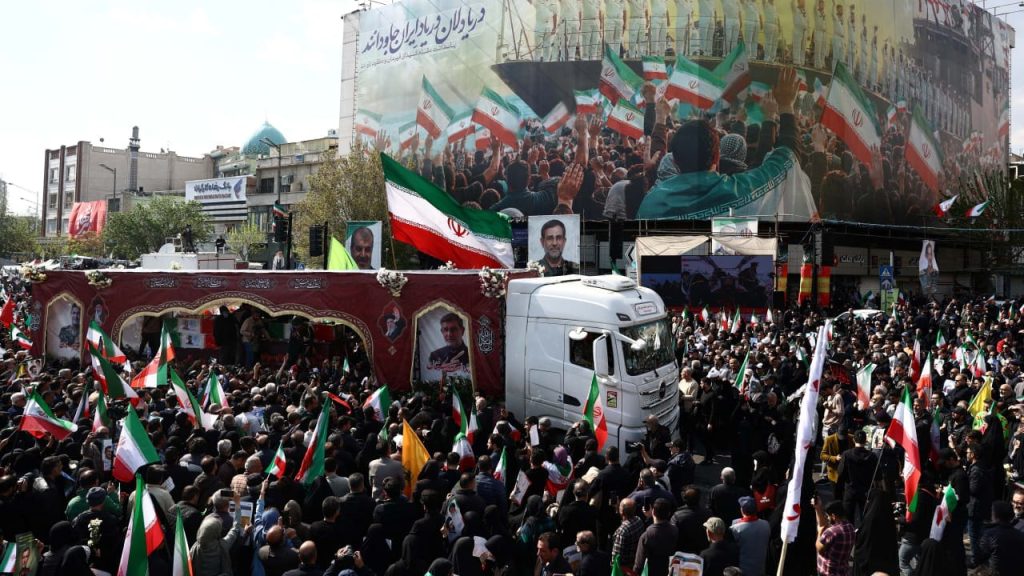
Senior Israeli defense officials estimate that economic sanctions are choking the Iranian regime, forcing internal security apparatuses onto high alert to preempt widespread civil unrest.
According to assessments, the Iranian street is simmering, and the next boiling point, driven by American leverage, could arrive within months, though public reaction remains unpredictable.
Simultaneously, the regime is pursuing diplomatic and military maneuvers to break its isolation, conveying threats and engaging in provocative actions across the region. Officials note that Tehran deeply fears an American or Israeli surprise strike and is preparing for extreme scenarios.
Following new US sanctions that took effect on September 23 and targeted flights from Iran, many countries suspended Iranian flights.
While China rejected the sanctions and Turkey reduced flight volumes without fully canceling them, Armenia, Russia, Afghanistan, and Pakistan continue to allow Iranian flights following diplomatic outreach. Pressure on Iraq also secured designated flight corridors (excluding Baghdad).
Iran maintaining proxy network, transfers millions of dollars
Concurrently, Tehran works around the clock to maintain its regional proxy network. Reports from Beirut indicate that approximately $200 million was recently transferred to Hezbollah. Iran also continues providing advice, training, production support, and weapons transfers to the Houthis in Yemen, while preserving ties with pro-Iranian Shia militias in Iraq and seeking new anti-Western partnerships. The objective is to ensure proxy alignment in any future conflict.
To establish deterrence against Gulf states and pressure Washington through them, Tehran has issued threats over the past week indicating a capacity for ground invasions into neighboring countries – a scenario Israel warns could dramatically escalate regional turmoil. These threats accompany reports of naval mine incidents in the Strait of Hormuz and damage to maritime vessels.
Iran resumes ballistic missile production, restores damaged weaponry
According to Israeli sources, Iran has resumed ballistic missile production and is working to restore damaged weaponry alongside completing manufacturing processes initiated before Operation Roaring Lion. “The process is slow and constrained by knowledge gaps and production limits, but they are actively moving in that direction,” a defense official noted.
Politically, Tehran is attempting to open diplomatic channels to buy time, restrict American operational flexibility, and prevent further strikes on its territory.
In response, Israel conveyed messages to the US, Gulf nations, and regional mediators stressing that any Iranian surprise offensive will trigger an exceptionally severe military response.
Jerusalem clarified that its objectives regarding Iran’s nuclear project, missile array, and defense industry infrastructure are not yet complete. Should Iran initiate an attack, Israel may act with greater force than during Operation Lion’s Roar, including strikes on national infrastructure previously limited by Washington to shorten conflict duration.
Defense officials emphasize extremely high operational coordination between the IDF and US Central Command (CENTCOM). Sources in daily contact with American counterparts say that US President Donald Trump has placed the military on high alert, keeping the option of strikes open until the last minute.
However, officials assess that an American strike prior to the US midterm elections remains unlikely unless Iran initiates offensive actions or signals imminent regional aggression.
Consequently, the IDF maintains heightened vigilance, closely monitoring developments in Iran, Lebanon, Yemen, Iraq, and the maritime domain against unexpected aggression from Tehran or its proxies.