Barcelona struggles to deal with more frequent floods
Torrential rain and flash floods are becoming increasingly common in Barcelona, Catalonia and the country’s eastern regions as a whole, with Catalan authorities warning that everything from public transport to the sewage system has to be improved.
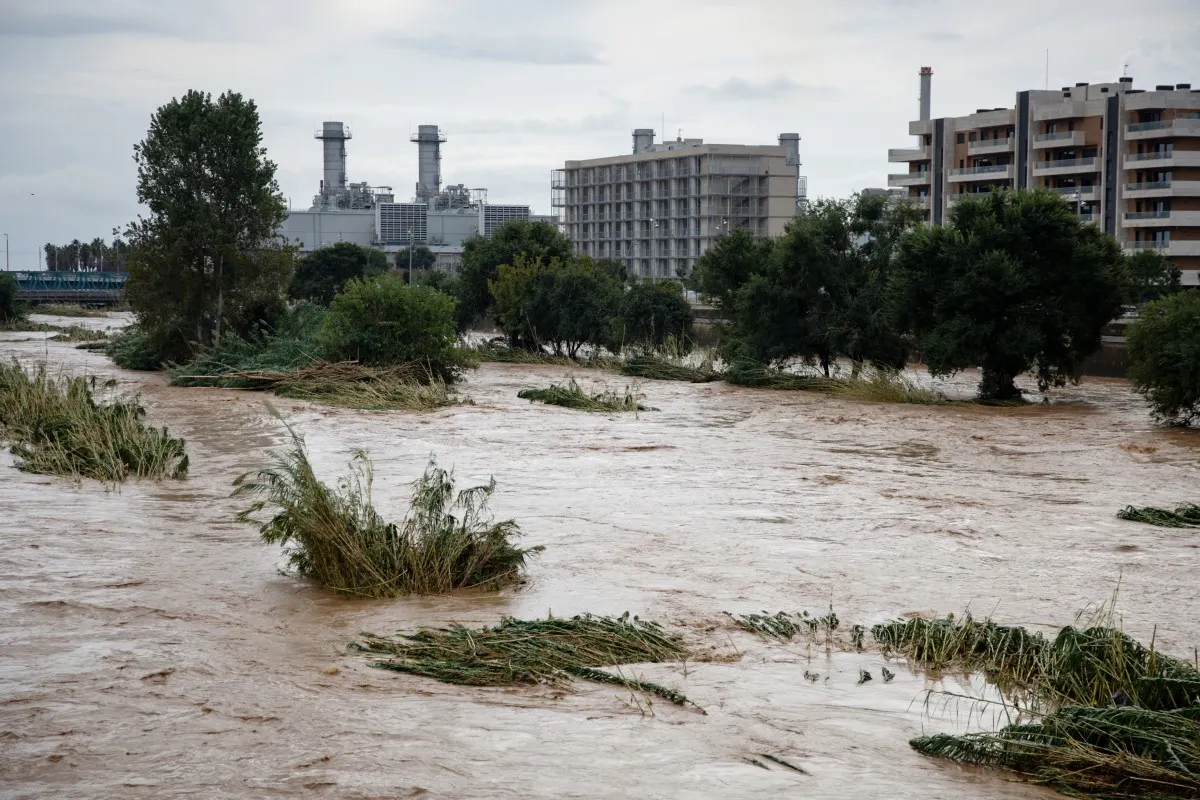
Over the past weekend, the Barcelona metropolitan area experienced its wettest day since records began, causing widespread flooding, the suspension of public transport, the city’s two major rivers to almost break their banks and hundreds of calls to emergency services.
It wasn’t just the city and its surrounds that were affected, however. The whole region suffered from heavy rains and flash flooding. Two people even died as a result – one in Tordera, a town to the north of Barcelona and another in Montornès del Vallès.
Torrential rain and storms are unfortunately becoming increasingly more common in certain parts of Spain due to climate change and even though forecasts predicted an autumn of heavy downpours after the relentless summer heatwaves, the sheer amount in one day has overwhelmed cities and shown how vulnerable they really are.
READ ALSO – Two dead in Catalonia due to torrential rains: Spanish officials
Carmen Llasat, president of the Catalonia Flood Observatory, told newspaper El Periódico, “We need to prepare better, because we still aren’t sufficiently prepared – neither in terms of public awareness (though progress has been made) nor in planning”.
This is evident from flooding on major routes through the city such as the Ronda de Dalt in Barcelona, the vulnerability of the areas around the Rivers Besòs and Llobregat, and the lack of drainage on many roads across the whole region of Catalonia.
Albert Casajuana, a member of the Water Commission at the Association of Civil Engineers believes that it’s necessary to adapt both infrastructure and the drainage network. “We need to urgently review the sewer system and build new underground reservoirs to regulate flow and handle stormwater,” he told El Periódico.
Barcelona city council does have some plans already in places such as building 25 new retention tanks, but not everyone agrees that this will be enough. Casajuana explains that nearby cities such as Granollers, Cornellà, L’Hospitalet, and Gavà should also overhaul their drainage systems. “The approach must be comprehensive and based on a robust, sustainable urban drainage system; we cannot have a completely impermeable urban landscape that simply channels water dangerously at high speed,” he said.
The sewage system in most major cities in Catalonia was created back in the 19th century and it simply wasn’t designed to withstand the amount of rainwater it has to deal with today because of climate change.
READ ALSO: How torrential rain in eastern Spain is impacting travel and daily life
One of the major problems across the whole of Catalonia over the weekend was that the weather brought all public transport to a halt, showing that the rail network is particularly vulnerable too. Jorge Guillén, a researcher at the Spanish National Research Council, explains that constantly investing money in railways without addressing the root cause offers only a temporary fix. “We need to find alternatives to ensure our coastline is adapted to these increasingly frequent storms—restoring space to the sand and sea and dismantling rigid structures.”
Barcelona’s metro system also experienced several issues over the weekend with flooding. Casajuana believes “It is a poorly resolved issue that needs fixing—much like dealing with a leak at home”.
READ ALSO: Why there are fears of more serious floods in Spain this autumn
It’s not only infrastructure that has to change, however. It’s also people’s awareness. Llasat, president of the Catalonia Flood Observatory said: “The most important thing is reaching the public and ensuring people are aware of where they live:. She explained that knowing whether or not a home, building or campsite, for example is located in a flood-prone area is essential for making long-term decisions.
Back in October of last year, the Government of Catalonia created the Flood Observatory as response to climate change and the increasing number of floods, including the devastating floods in Valencia back at the end of 2024, in which over 230 people lost their lives.
The Observatory’s mission is to evaluate and monitor flood risk management programs , analyse available data and studies, and formulate technical and strategic proposals to improve prevention and emergency response.
It will also promote research combining the scientific, territorial, and social aspects of risk, considering the effects of climate change in the Mediterranean area.