Peter Moore: Some of the rare birds of Colorado even have feathers
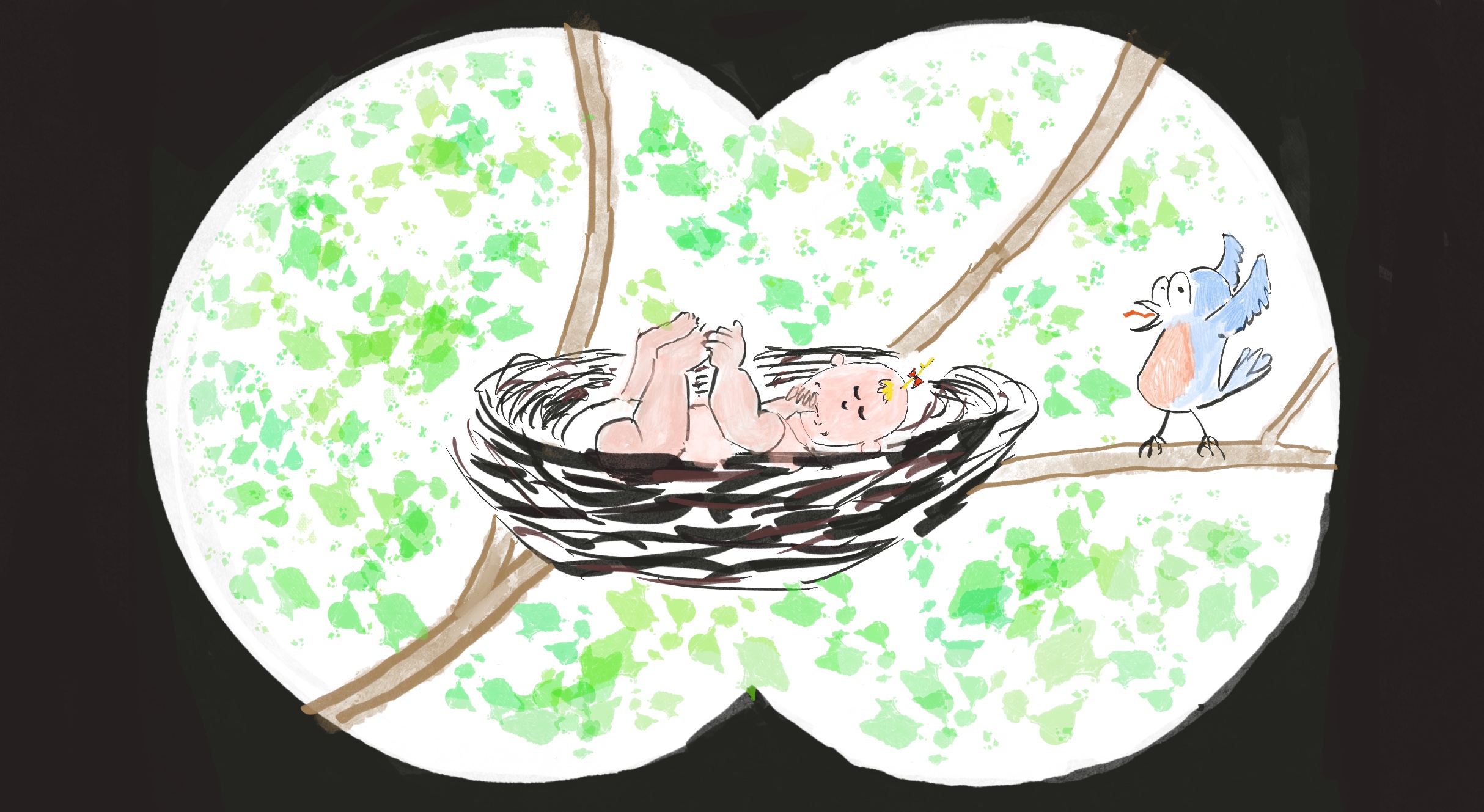
A piratic flycatcher was spotted in Yuma County at the end of September and birders flocked (har!) to catch a glimpse. This bird ordinarily hangs out in Central and South America, hence all the binoculars focused on the twig where it rested.
You can’t blame the flycatcher. Who wouldn’t want to live here?
Well, actually, lots of people. Our state’s reputation as U-Haul Heaven has lately taken a beating. In the early ’90s, the population was growing at a robust 3.4%, according to the State Demography Office. Last year we had a negligible uptick of 0.5% and our birthrate dropped from 34.67 live births per thousand women in 2004 to just 24.26 in 2024. Colorado-born babies are kind of a piratic flycatcher phenomenon as well: Spot one if you can! Also bad: here’s a reason why schools are closing: There’s a shortage of Colorado students to walk the hallways.
In fact, once you start looking at the demographic trends, you suddenly realize that there are a lot of rare birds in Colorado.
Rare species No. 1: The Colorado native
Only 41% of Colorado residents were actually born here. No surprise there. But we also have a high rate (37.5%!) of native-born people who head for greener pastures. It’s not hard to find those pastures. Recent droughts have turned the whole state brown. Bye, native-born neighbors!
Rare species No. 2: Registered Republicans and Democrats
Half of us are unaffiliated, now! And Socialists are on the rise! Which leaves the two major parties to scrap over the leftovers. It’s only a matter of time before a High Country Mamdani pops up on the hustings, and insists on making housing more affordable. Hey, it could happen.
Rare species No. 3: Ever-shrinking suds
When I moved to Fort Collins in 2017 I was told it was the Napa Valley of beer. Those were the good old draughts. Since 2020, 140 breweries have closed in Colorado, which is bad timing, since the worst drought in the last 1,200 years began in 2000. Beer sales were down 6% last year, according to CU Boulder Today. And who would know better about that than college students?
Rare species No. 4: Workers? What workers?
When the subject of labor comes up, I turn to the Village People, who employed a cop, a cowboy, a construction worker, a biker, a soldier and a native American in the band. But they’d never make it in Colorado today, in the face of job downturns in so many fields. Y.M.C.A.? More like D.O.A. —
Rare species No. 5: The cross-border contingent
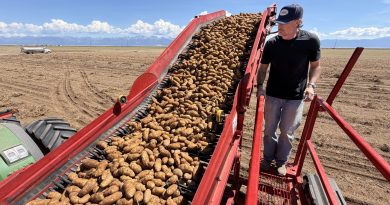
Welcome to Colorado? Not if you’re an immigrant. And yet, 1 in 7 workers in Colorado are immigrants, according to FWD.us, contributing about $29 billion to the economy. These new arrivals work in construction, agriculture, transportation, meat packing plants, and, weirdly, bakeries. So, the immigrant crackdown isn’t just cruel, it imperils our doughnut supplies. Just after the pandemic, about 50,000 immigrants came to the state and started spending their paychecks, and paying taxes. The latest estimate, according to state demographer Kate Watkins, pins new arrivals at only 15,000 per year.
But, enough about scarcity. There’s one population segment in Colorado that’s anything but a Piratic Flycatcher.
I’m talking about…
Not-so-rare species No. 1: Old people!
The Colorado State Demography Office tells us that by 2030 more than 50% of the state’s population growth will be among people 65 and older. Better still, the over-85s will become our fastest growing group from 2030 to 2040. Now that our immigrant population has been shown the door, maybe ColoradOldsters will bake doughnuts at 6 a.m., mow lawns in the dog days of summer, and staff the meatpacking plants?