
Singapore’s sugar intake drops but sodium and calories rise
SINGAPORE – More people in Singapore are taking less sugar, and they are engaging in physical activity and getting screened for chronic diseases and cancers.
However, as more residents eat out frequently, the country’s consumption of calories and sodium has increased, with almost all Singapore citizens and permanent residents exceeding the daily recommended sodium intake limit.
This is according to findings from the Ministry of Health’s (MOH) National Population Health Survey, and the Health Promotion Board’s (HPB) National Nutrition Survey.
They were announced by Minister for Health Ong Ye Kung on Oct 3 at the National Heart Week and World Heart Day event at Heartbeat@Bedok, organised by the Singapore Heart Foundation.
The National Nutrition Survey – which polled 3,000 Singapore residents between the ages of 18 and 69 – found that the daily total sugar intake here had fallen from 60g in 2018 to 48g in 2025.
Ong said this was the equivalent of cutting down about 2½ teaspoons of sugar daily.
The percentage of respondents whose sugar consumption was within the daily recommended sugar limit of no more than 10% daily total energy intake – equivalent to about 50g, or 10 teaspoons, of sugar – had increased from 61% in 2019 to 79% in 2025.
Ong attributed the decrease to people consuming less sugar from sugar-sweetened drinks, a change driven by industry reformulation and consumers making a conscious shift towards lower-sugar options.
He said: “Our taste buds are changing, which is good.”
Health Minister and Coordinating Minister for Social Policies Ong Ye Kung touring exhibition booths at the Singapore Heart Foundation’s National Heart Week and World Heart Day 2026 event on Oct 3.
ST PHOTO: GAVIN FOO
This follows the introduction of mandatory Nutri-Grade labels, which grade drinks based on their sugar and saturated fat content.
HPB noted that median sugar levels in beverages had dropped over the years, decreasing from 7.1% in 2017 to 4.6% in 2024 for pre-packaged drinks, while the levels for freshly prepared drinks fell from 7.5% in 2020 to 4.1% in 2025.
Meanwhile, the National Population Health Survey – which surveyed some 8,100 residents – showed more had undergone screening for chronic diseases. The percentage of respondents who had done so increased from 62.6% in 2023 to 66.4% in 2024.
More had also undergone screening for colorectal cancer, with the number increasing from 41.7% of those surveyed in 2023 to 46.9% in 2025. Breast cancer screening participation also rose – from 34.7% in 2023 to 40.8% in 2025.
This is consistent with the Republic’s move towards preventive health with the introduction of Healthier SG in 2023, Ong said.
He noted that as at end-August, 1.5 million people – or 61% of those eligible – had signed up for the preventive health initiative, most of whom had completed their first health plan.
Worrying trends
However, Singapore’s consumption of calories has shot up, with the mean calorie intake increasing from 2,360kcal in 2019 to 2,460kcal in 2025.
While this may not seem like a lot, this increase could lead to 5kg of weight gain a year, said Ong, noting that this, in turn, increases the risk of obesity and heart disease.
The survey found that 57% of the country’s population exceeded their daily recommended calorie intake – estimated based on factors such as age, gender and weight – after factoring in energy requirement from physical activity.
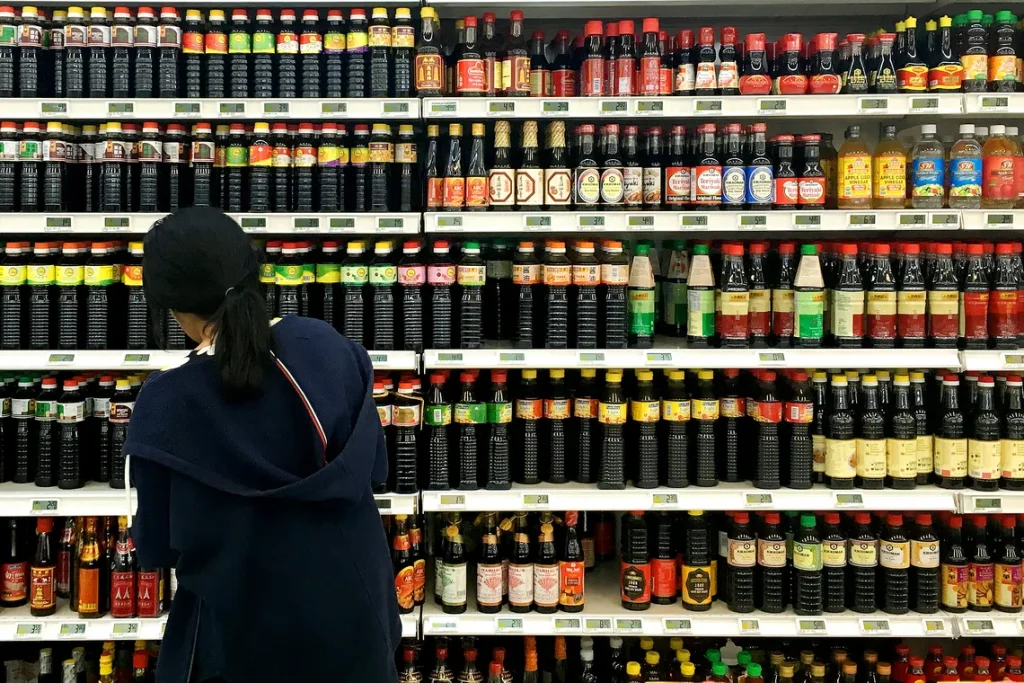
Sodium consumption, meanwhile, also increased, with the average daily sodium intake here up from 3,480mg in 2019 to 4,000mg in 2025, attributed to salt and sauces added during cooking. Worryingly, 4,000mg is double the daily recommended sodium limit.
The survey found that 95% of people here exceeded the daily recommended sodium intake limit of 2,000mg, or the equivalent of one teaspoon of salt, up from 88% in 2019.
Ong said excessive sodium raises blood pressure, and increases the risk of heart disease and stroke.
He noted that more than 60 people suffer heart attacks or strokes in Singapore daily, while a third of all deaths here were due to heart disease.
A greater push is needed for a healthier diet, Ong said, adding that the success in lowering sugar consumption needs to be replicated for sodium as well.
He said in the future, mandatory Nutri-Grade labelling measures and advertising prohibitions will be extended to items such as salt, sauces and other seasonings, which are the main contributors of sodium and saturated fat.
Originally scheduled to be introduced by mid-2027, this move has been delayed to 2028 to provide more time for businesses to reformulate their products, Ong said.
Saltier dishes
The main driver of rising sodium in Singapore’s diet, however, has been more people eating out more regularly, he said, adding that dishes have been getting saltier.
According to the survey, seven in 10 reported eating out at least once a day, up from six in 10 in 2019, with the frequency increasing from six times a week in 2019 to nine times weekly in 2025.
Ong encouraged consumers to make it a habit to request less salt and soya sauce where possible when dining out, while cooks should cut back on using salt and sodium-rich sauces in their dishes.
HPB will continue in its efforts get more food and beverage establishments to use lower-sodium ingredients, he added.
Ong said 3,000 F&B outlets do that now, up from 500 four years ago, but this is not enough to reverse the worrying diet trend.
He added: “We need a very serious effort to step up engagement with the F&B industry to try to address this issue.”
Senior consultant at the National Heart Centre Singapore’s cardiology department, Muhammad Idu Jion, also spoke at the event.
The Singapore Heart Foundation board member noted that healthier habits and diets can help prevent cardiovascular disease, which accounts for about a third of all deaths in Singapore and contributes to poor health in later life.
He said: “The encouraging part is that prevention also starts with small choices. The food we eat, the habits we build up to keep ourselves fit and healthy can help reduce this risk.”