
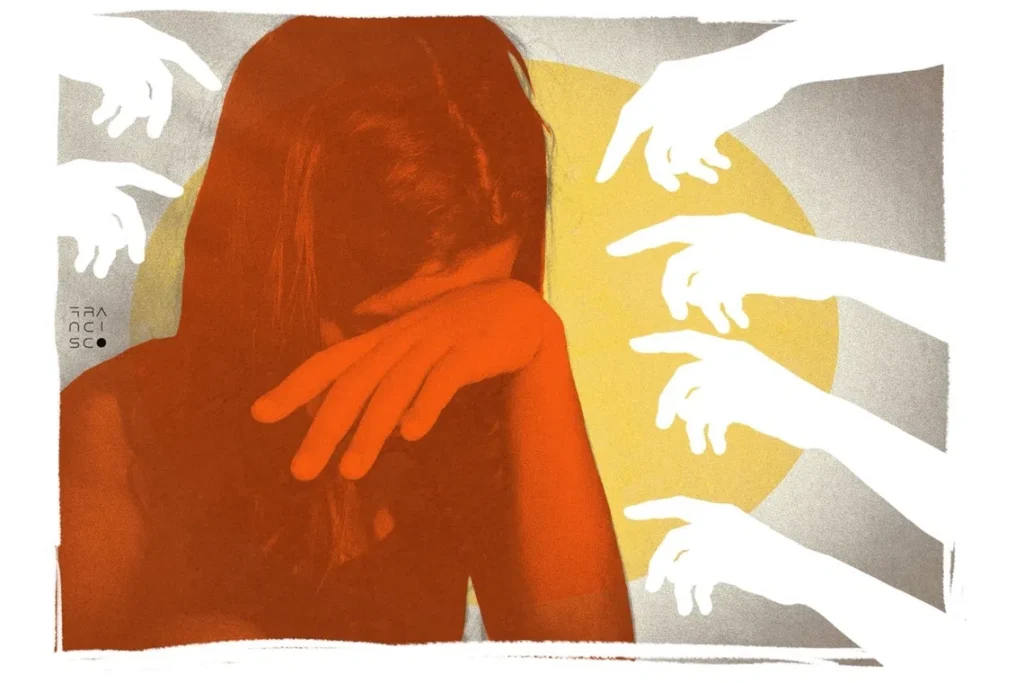
Grappling with sexual abuse by family members
SINGAPORE – When male family members asked their female relatives to give them massages, the girls felt uncomfortable and declined.
The men would persist, and question if the girls loved them, until they relented. But, for some, one massage would lead to sexual abuse that lasted for years.
Advocacy group AWARE said victims who attended therapy sessions asked why the abuse happened, what they could have done differently to prevent it, and if they had done anything to bring about the assaults.
According to the police’s mid-year crime brief released on Aug 24, the number of rape cases rose from 230 in the first half of 2025 to 261 in the first half of 2026.
Helplines
Mental well-being
-
National Mindline: 1771 (24 hours) / 6669-1771 (via WhatsApp)
-
Samaritans of Singapore: 1-767 (24 hours) / 9151-1767 (24 hours CareText via WhatsApp)
-
Singapore Association for Mental Health: 1800-283-7019
-
Silver Ribbon Singapore: 6386-1928
-
Chat, Centre of Excellence for Youth Mental Health: 6493-6500/1
-
Women’s Helpline (AWARE): 1800-777-5555 (weekdays, 10am to 6pm)
-
The Seniors Helpline: 1800-555-5555 (weekdays, 9am to 5pm)
-
Tinkle Friend (for primary school-age children): 1800-2744-788
-
Mindfull Community HQ (for caregivers, families and persons in recovery): 6460-4400 (weekdays, 9am to 5pm)
Counselling
-
Touchline (Counselling): 1800-377-2252
-
Touch Care Line (for caregivers): 6804-6555
-
Counselling and Care Centre: 6536-6366
-
We Care Community Services: 3165-8017
-
Shan You Counselling Centre: 6741-9293
-
Clarity Singapore: 6757-7990
-
Care Corner Counselling Centre: 6353-1180
Online resources
The police said in most rape and molestation cases, the offenders and victims knew each other.
In April, The Straits Times reported there were more sexual assault cases involving victims under the age of 16 in 2025, according to police figures. It rose from 943 cases in 2024 to 1,031 cases in 2025. There were 998 cases in 2023.
The number of sexual assault cases allegedly committed by family members or relatives involving victims below 16 also increased, from 169 cases in 2023, to 184 cases in 2024, to 192 cases in 2025.
On victims questioning their reactions to the assaults, Ruth Ng, the principal social worker at AWARE’s Sexual Assault Care Centre, said self-blaming behaviour is due to a coercive control dynamic in the relationship. She said it is a repeated pattern of abusive behaviour that makes someone feel afraid, controls their choices, and takes away their freedom and independence over time.
In such relationships, the abuser usually cuts the victim off from their friends, family and other forms of support after gaining everyone’s trust. This leaves the victim with no choice but to obey the abuser’s instructions.
Ng said: “This trust gets access in a way that keeps the victims silent about the assault.”
One of the worst predators was dealt with recently.
On Sept 17, the 71-year-old man was sentenced to 21 years’ jail for sexually abusing 11 girls over 30 years. His victims included his daughter, his son’s two daughters and his four nieces – with some as young as five years old.
Ng, who has 19 years’ experience in the industry, said in such coercive controlling relationships, grooming usually takes place first.
She noted: “Providing love and affection from an adult to a younger person, like buying gifts, is nothing wrong. Grooming involves predatory behaviour with a negative intent to gain access for abuse to happen in secrecy.”
This is why the victims unknowingly endure the abuse for a longer period of time, simply because they are not aware what inappropriate touching is, and that it is wrong, she added. Said Ng: “The abuse can happen to people in their 20s, 30s and 40s. Anyone can be trapped in a relationship that has abusive dynamics because the perpetrators are usually skilled at what they are doing. It is premeditated.”
John Shepherd Lim, Singapore Counselling Centre’s chief well-being officer, said that when reporting a crime, there are other elements to consider, like betrayal, lost trust, self-blame, shame and confusion.
“The victim may still see the perpetrator, if it is a family member, partner, colleague or someone in the same social circle, so safety is not as simple as staying away.
“They may think, ‘I trusted him’, ‘maybe I misunderstood’ or ‘people will think I consented because I knew him’. That can delay disclosure and recovery.”
Counsellors said being abused by family members can affect their attitudes towards relationships, could cause them to isolate themselves from others, and experience post-traumatic stress disorder symptoms.
Second betrayal
Victims also worry that nobody will believe them.
Clinical psychologist Carol Balhetchet said if their claims are not believed, victims will feel like the incident is being minimised, and it will hit like a second betrayal. This will delay the process of reporting the crime or getting help.
She said this could make it very difficult for the victim to trust others, including family members, as they face conflicting emotions wavering between anger, hate, fear, love, guilt and self-blame.
Ng recounted an incident when a victim told her mother that her brother was abusing her. But instead of reporting the crime, the mother forgave him for religious reasons. Her children were minors.
Said Ng: “The denial of the harm is very impactful. Some victims say when they are not believed, it feels worse than the crime itself.”
After the case is reported to the authorities comes the long road to recovery. Ng said since the perpetrators have very likely stripped them of their self-worth, AWARE then works with the victims to restore normalcy in their lives, like resuming school or routines.
For younger victims, it is important to work with immediate carers, relatives and friends to ensure they have an existing support system where the victim feels safe.
What to do
Annabelle Chow, principal clinical psychologist at Annabelle Psychology, noted that trauma-informed care services, helplines and resources to support victims have risen over the years. But for those who do not have reliable support, counsellors said witnesses like relatives, neighbours, classmates, teachers and friends play a critical role in breaking up the cycle of abuse.
Chow urged witnesses to not remain silent and report assaults to the police.
She said those helping should ensure that the victims are not in immediate danger and refrain from interrogation, confrontation or force them to take action. Instead, witnesses should offer choices, help them understand available options and respect what the victims are ready to do.
But Ng said some victims are more vocal and will turn to group therapy or social media to express their feelings and help fellow survivors.
She said: “They also want to understand the legal process in the judicial system, so they can seek some justice for themselves and tell their stories. That step is them regaining their sense of control.”