The Fashion Dynasties That Made Milan a Global Style Capital
Milan has a way of making another family’s taste feel like your own. An Armani jacket can persuade a man that he has always preferred a softer shoulder, just as a Missoni cardigan can coax an otherwise cautious dresser into a lasting relationship with bold orange zigzag. At this month’s Milan Fashion Week, presenting the spring-summer 2027 collections, the surname on the label is an increasingly unreliable guide to who signs the checks or sketches the designs. Lorenzo Bertelli, Miuccia Prada’s son, is now Versace’s executive chairman. At Missoni and Etro, the founding families have sold their remaining stakes, putting their namesake businesses in the hands of outside investors.
For the heirs and hired designers taking over, fidelity can be a peculiar brief. Several of these businesses became desirable because someone in the family changed the rules, making sportswear acceptable over a city suit or persuading customers to pay luxury prices for an industrial synthetic. Their successors inherit those departures along with the bestsellers.
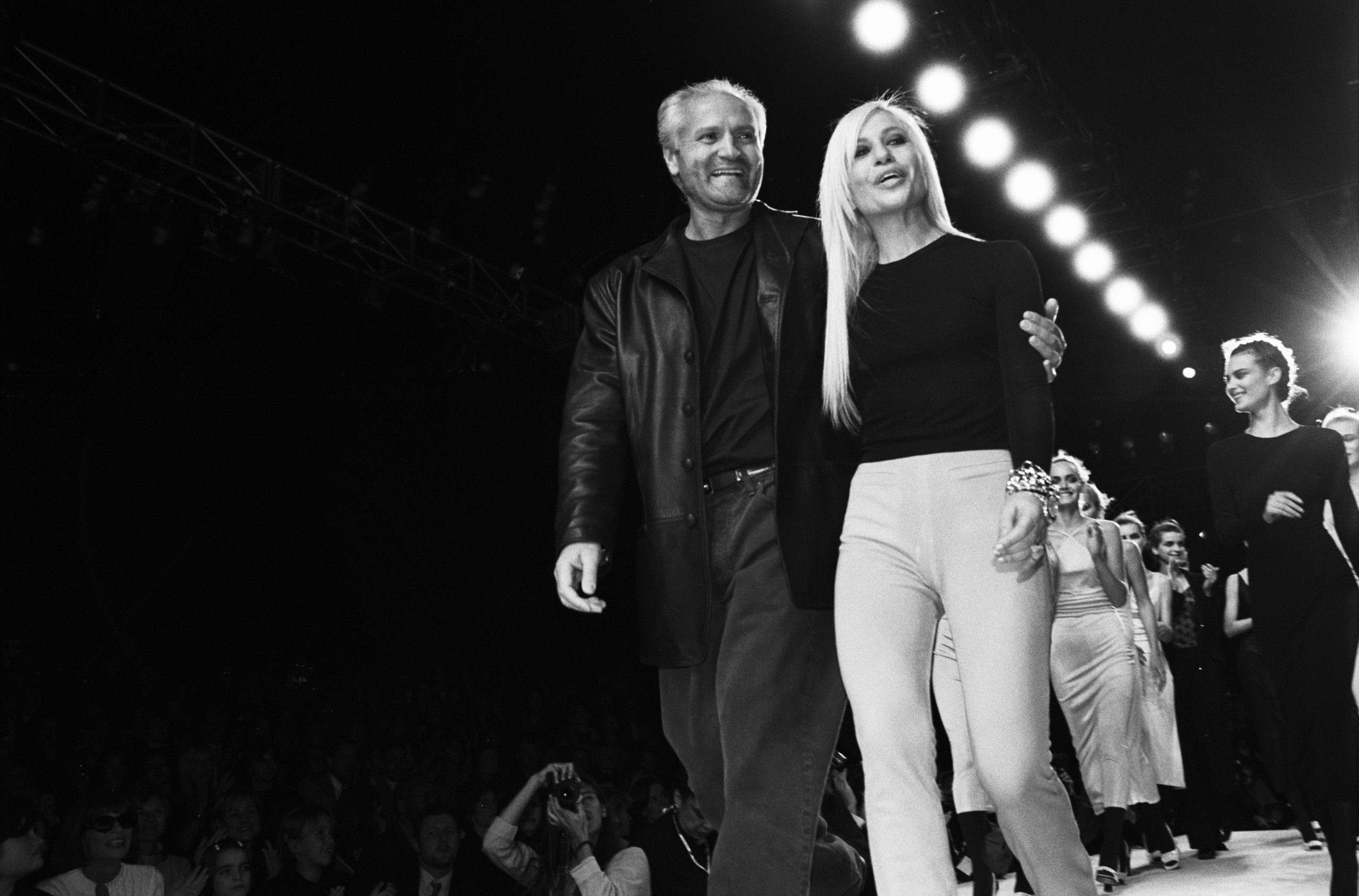
Milan turned those individual visions into an industry. From the 1970s onward, northern Italy’s textile mills made designer ready-to-wear at scale, while the city’s department stores and influential publishers introduced it to an international audience. The network stretched beyond Lombardy into Piedmont, where Zegna and Loro Piana first supplied cloth to other houses before putting their own names on finished clothes. The profiles that follow show how a founder’s taste became a house code, then passed to a relative raised within the business or a designer who learned it at close range.