

Prospect of a good agreement
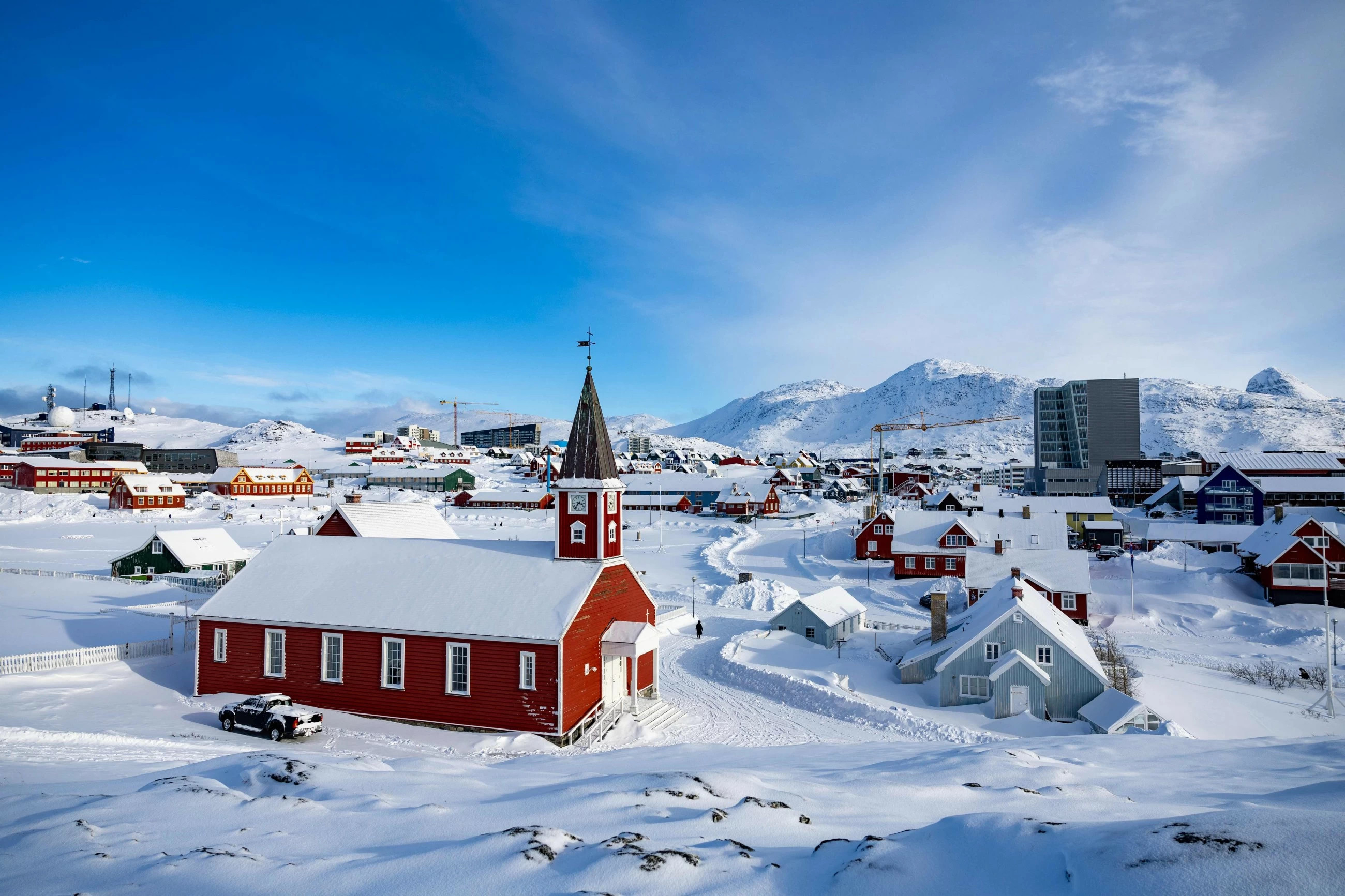
The Greenland deal is a classic Donald Triumph. In return for ceasing to make outrageous threats to annex the territory of America’s ally, he has accepted the status quo and claimed a great victory.
Furthermore, there is not yet a text of the agreement, which Mette Frederiksen, the prime minister of Denmark, called merely the “prospect of a good agreement”, although presumably there will be a document that will be signed at the United Nations General Assembly in New York in the next few days. It then has to be ratified by the Danish parliament, according to The Independent.
If it is as described, there should be no obstacles to completing the formalities. Jens-Frederik Nielsen, the prime minister of the autonomous Danish territory of Greenland, said the deal “benefits us all”. A Nato spokesperson also welcomed it, saying it would “help advance security, stability and cooperation in this vital region”.
The reason the deal is acceptable to all parties is, as Sir Ben Wallace, the former defence secretary, put it, “nothing has really changed”. America already enjoys military access to Greenland under a defence agreement made in 1951. It operates the Pituffik Space Base in the northwest of the island, which is littered with disused American bases.
If the only benefit to Greenland, Denmark and Nato is that the American president will now stop threatening his nation’s longstanding allies, that is better than his continuing to do so, but it is rather like being expected to be grateful to a bully when he stops banging your head against a wall.
For Mr Trump, the deal is a desperately needed foreign policy “win” within weeks of mid-term elections that are looking bad for the Republicans. If the president’s party loses control of both houses of Congress, his power will be significantly constrained.
Not that a deal over Greenland, even one trumpeted by him as giving the United States “permanent control over security, and all other needs”, is likely to win back many of his disaffected voters.
They are more likely to worry about the cost of filling their car and to blame the president, who promised peace, for starting a “forever war” against Iran. There are signs, too, that some former Trump voters are beginning to tire of the president’s bluster and distraction.
Mr Trump’s latest attempt to divert attention from middle America’s material discontents is an edict to ban journalists from media organisations that have annoyed him from White House briefings. It seems to be playing into the president’s hands to condemn such an authoritarian and undemocratic turn, because the outrage of liberals is what energises the Maga base, and yet it must be condemned.
And yet we know that by the time Andy Burnham meets Mr Trump in New York in a few days, the outrage machine will have moved on to something else. Mr Burnham is required by the rules of decorum that Mr Trump deliberately flouts to praise the Greenland agreement, but essentially the aim of the prime minister is to get through the meeting without being used as a whipping-boy in the president’s circus.
Perhaps the most important lesson of the Greenland deal is the confirmation that Mr Trump’s threats are so often empty. He has wrought terrible damage to America and the world, eroding democratic norms, undermining climate action, stifling trade, starting and prolonging wars — but it could always have been worse.
That is not much comfort, but it is the best we have in these strange times.