
How to live as long as a Spaniard
In this week’s Inside Spain we look at the habits you can adopt to achieve a life expectancy as long as Spaniards’, the highest in the EU for many years now. And we’re not just talking about the Mediterranean diet.
Despite some deep-seated bad habits – regular drinking, smoking and a love of processed cold meats to name a few – Spaniards live long lives.
Spain has the longest life expectancy in the EU, 83 compared to the average of 81.5 across the bloc.
Spanish women tend to live five years longer than Spanish men, 86 and 81 years respectively.
So what can you do to mimic a lifestyle that tends to result in more years on this planet?
The obvious one is the so-called Mediterranean diet. Rich in extra virgin olive oil, fresh fish, legumes, seasonal produce and whole grains.
READ ALSO: A guide to shopping at your local fruit and veg store in Spain
This isn’t too difficult in a country in which supermarkets stock healthy produce at a reasonable price, whereas in countries like the US eating well is a rich person’s game.
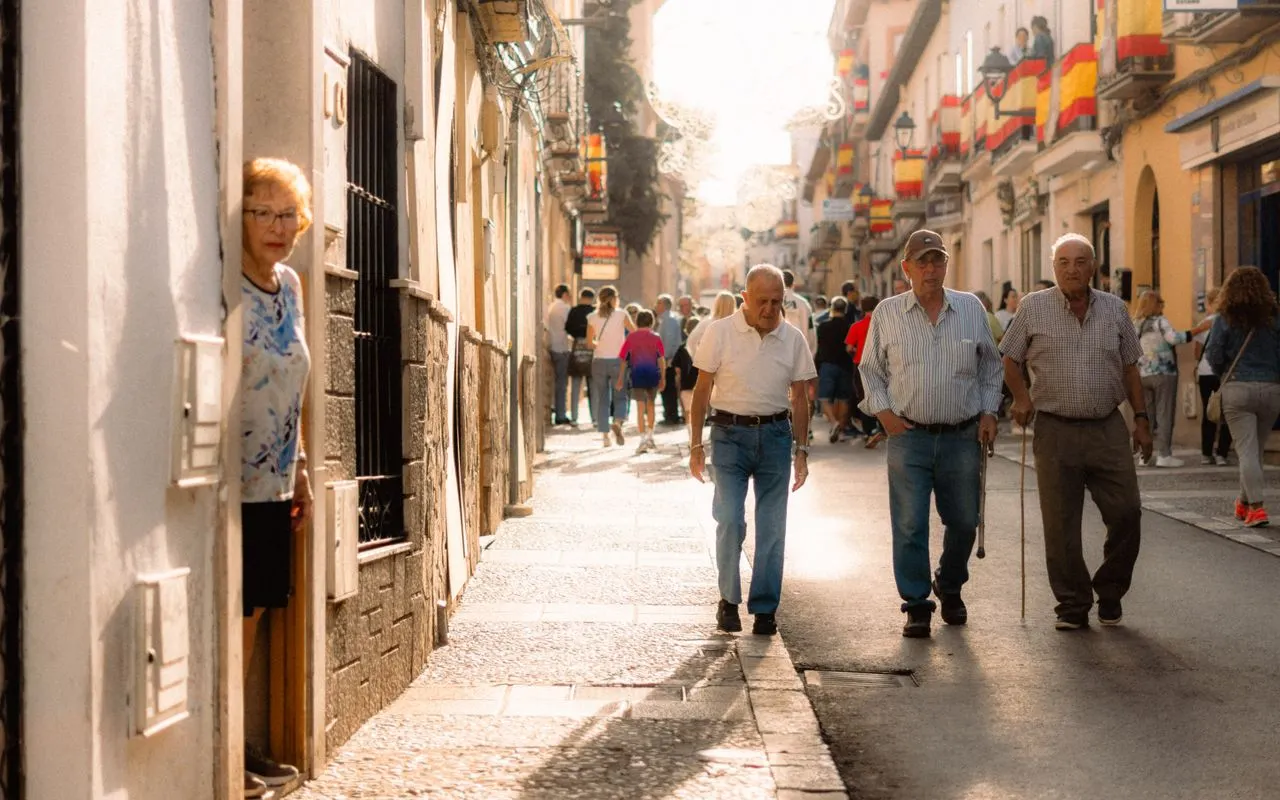
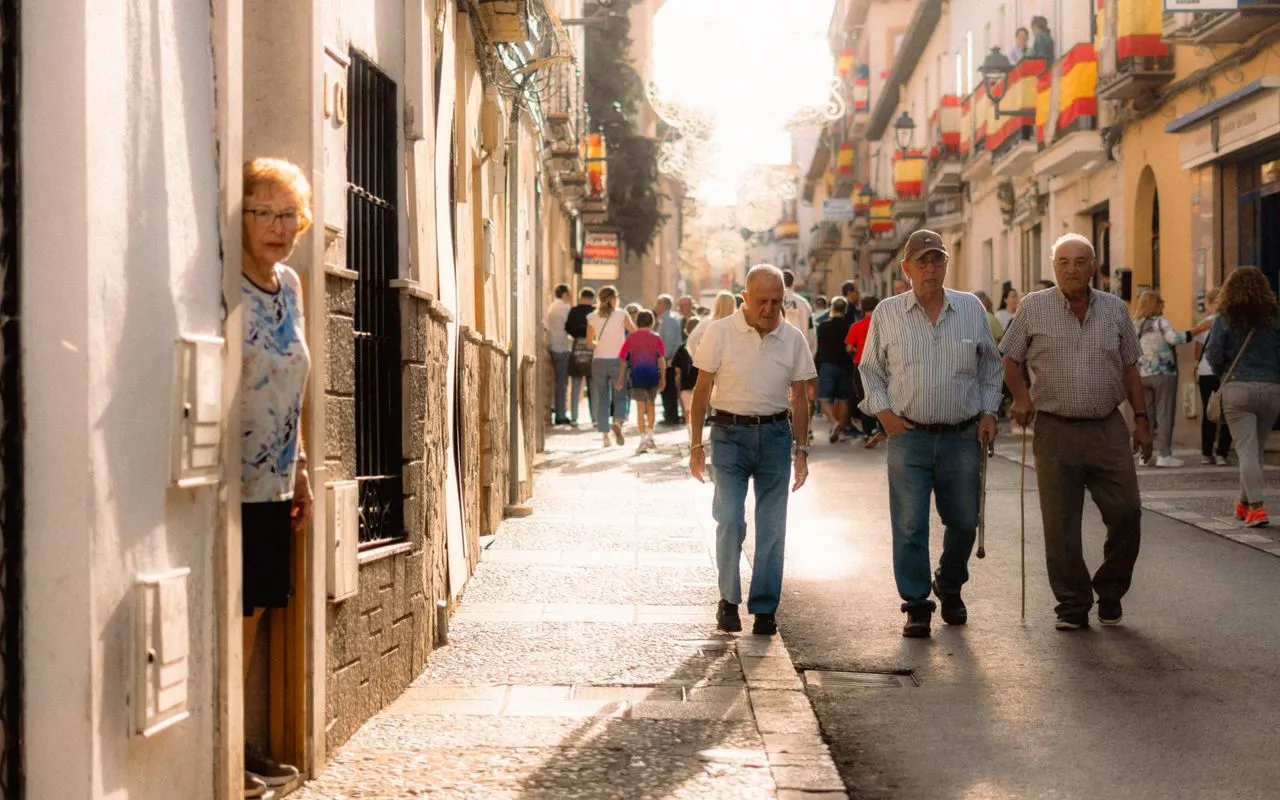
Next up is getting off your bum and going for un paseo (a walk).
Spaniards are the Europeans who walk the most with an average of 7,750 daily steps, ahead of Italians (7,480) and Britons (7,231), according to a 2026 study by mobile pedometer app Macadam.
Bilbao, Madrid and Barcelona are the places where people walk the most, which highlights how living in a city where most services are within walking distance means less time sitting behind the wheel than for those in rural Spain.
READ ALSO: Why are Spaniards mostly slim?
Pensioners here just walk for the love of walking, whether it’s up and down beaches or city centre streets.
‘Why does this matter so much for longevity?’, you may ask.
“Walking is good for the heart; it improves blood pressure, blood sugar levels, the entire vascular system, prevents cognitive decline, and promotes socialisation,” Isabel Lozano, a geriatrician at the Central Red Cross Hospital in Madrid, told public broadcaster RTVE.
On that last point about promoting socialisation, getting outdoors and spending time with people is another reason that’s regularly referenced when talking about Spaniards’ secret to longevity.
In 1938, Harvard researchers embarked on a decades-long study to answer precisely this question.
The researchers collected health records from 724 participants from around the world – some of whom are still alive and in their 90s – and asked them detailed questions about their lives at two-year intervals.
Harvard’s Study of Adult Development concluded that the quality and strength of close relationships is the single strongest predictor of long-term health, happiness, and longevity; more so than career success, money, exercise, and even a healthy diet.
Spaniards are very much renowned for having strong family and social ties, which act as an emotional and physical safety net that reduces stress and promotes a healthier life.
“Personal connection creates mental and emotional stimulation, which are automatic mood boosters, while isolation is a mood destroyer,” Robert Waldinger, professor of psychiatry at Harvard Medical School, said of the study’s conclusions.
So even if you’re a foreigner in Spain who doesn’t have family close by, make sure to get out there and talk to your neighbours, make friends or even start or return to an old hobby.
READ ALSO: ‘Decide if you want to be Spanish or a guiri’ – How to make friends in Spain
“What activities make you happy, and what prevents you from doing them? Think back to your childhood. What did you enjoy when you were younger? Singing? Playing games? Doing certain hobbies? “When you’re older, you have more opportunities to return to the activities you associate with happiness,” Dr. Waldinger advises.
Free time is a lot harder to come by for people of working age and/or with a family to take care of, but even in this sense it’s important to take a page from the Spanish work-life book.
The job market is arguably one of the most disappointing parts of life in Spain for foreigners and locals alike, with obstacle-ridden career aspirations and low average salaries.
READ ALSO: Why so many people in Spain ‘dream’ of becoming civil servants
So it’s no surprise that Spaniards work to live, and not live to work. Their often frustrating work conditions result in them realising at a much earlier age that a career isn’t what truly makes you happy, and that spending time with loved ones and free time matter much more.
In fact, a recent study by the Barcelona Society of Economic and Social Studies found that 36 percent of Spaniards are willing to take a salary cut to achieve a better work-life balance.
Even though rising living costs are making this choice harder for many, there’s still an ingrained sense among Spaniards that life is to be enjoyed.
That’s what captivates so many foreigners who move here, and they quickly realise that by copying what Spaniards do their quality of life takes a giant leap.
Of course, having a world-class public health system helps with niggles, and plenty of sunshine all year round does wonders for your mood, but it’s perhaps the Spanish habits of being outdoorsy and social that can really keep you young into old age.
READ ALSO: Why do people in Madrid live longer than anywhere else in the EU?