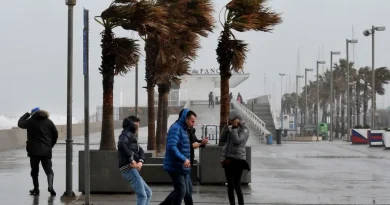
General strike leaves Catalonia without public transport for hours
The nationwide walkout has paralysed travel in Catalonia throughout the day, with minimum services only returning for peak hours.
Spain’s general strike on Wednesday has left Catalonia without public transport for seven hours.
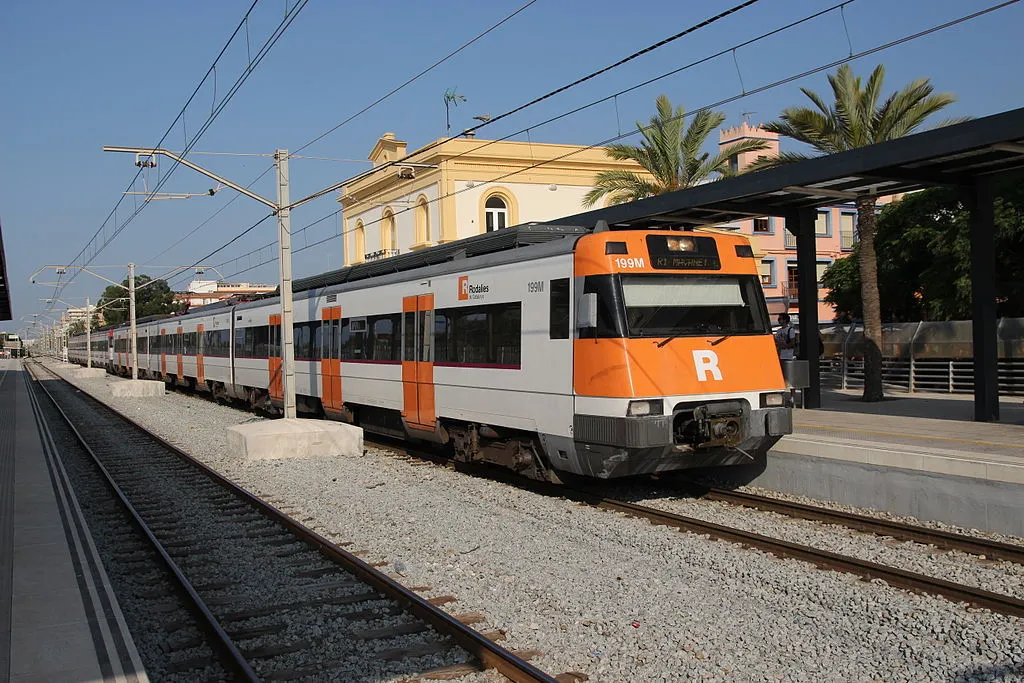
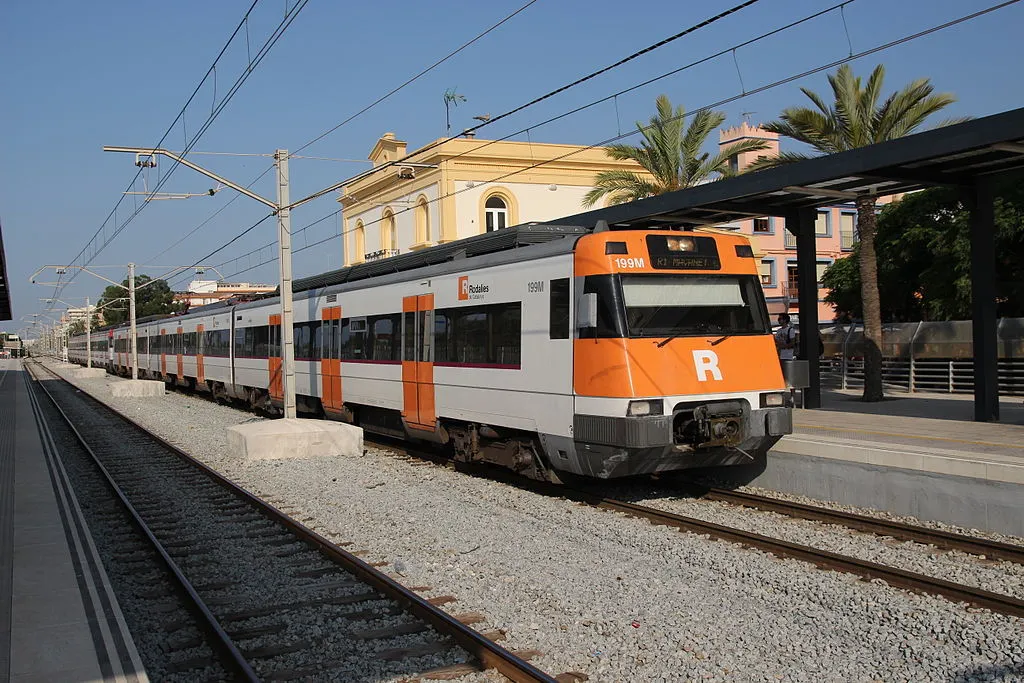
During the day, both Rodalies and Regionales have no scheduled trains, while the Barcelona metro system is withdrawing trains during the window when minimum services are not legally required.
According to Catalan media, between 9.30 a.m. and 4.30 p.m, Rodalies, Ferrocarrils de la Generalitat de Catalunya (FGC), the Barcelona metro and urban and inter-city buses have all suspended services in accordance with the minimum service requirements set by the Catalan Government.
Minimum services will then return for busier travel times later in the day.
During peak hours — from 4.30 p.m. to 9.00 p.m. — only 25 percent of the usual trains and buses will be running in the Catalan capital.
❌🚇 A les 09.30 h finalitzen els serveis mínims establerts per la convocatòria de vaga i s’inicia la retirada progressiva dels trens de la xarxa: surten els últims trens dels finals de cada línia. ℹ️ A partir d’aquest moment, la xarxa de #metrobcn quedarà sense servei fins a les 16.30 h, quan es reprendrà la circulació amb els serveis mínims previstos. ❌🚌 A les 09.30 h finalitzen els serveis mínims establerts per la convocatòria de vaga. ℹ️A partir d’aquest moment, el servei de #busbcn quedarà sense servei fins a les 16.30 h, quan es reprendrà la circulació amb els serveis mínims previstos.
— TMBinfo (@TMBinfo) November 11, 2026
Picket lines and blockades have affected road travel too.
The director of the Catalan Traffic Service (SCT), Ramon Lamiel, explained that the number of vehicles entering the metropolitan ring road had fallen by 51 percent — between 75,000 and 80,000 fewer cars than on the same day last year — whilst the number leaving had fallen by 45 percent, some 60,000 fewer vehicles.
READ ALSO: What to expect from Spain’s general strike on November 11th
This comes amid walkouts across the country, called on the back of housing protests.
As of midday on Wednesday, security forces had made at least 14 arrests in connection with incidents during the early hours of the strike in La Rioja, Madrid, Alicante, Valencia, Málaga, Almería and Granada, whilst the Ertzaintza reports a further 13 arrests in various towns across the Basque Country.
This comes as Spain sees its first general strike since 2012. It was called by unions in support of the housing movement and is supported by the leftist government.
Prime Minister Pedro Sánchez’s surprise snap election announcement came days after right-wing parties voted down two key decrees in parliament which included measures such a moratorium on evictions, a ban on vulture funds, automatic rental contract extensions and restrictions on temporary and room rentals.
Protestors took to the streets across Spain, but it wasn’t a snap election that they were calling for, rather a general strike that could bring the country to a standstill.
MORE TO FOLLOW.
READ ALSO: What rights do workers in Spain have during the general strike?