Haze causes 20% rise in hospital visits in Singapore
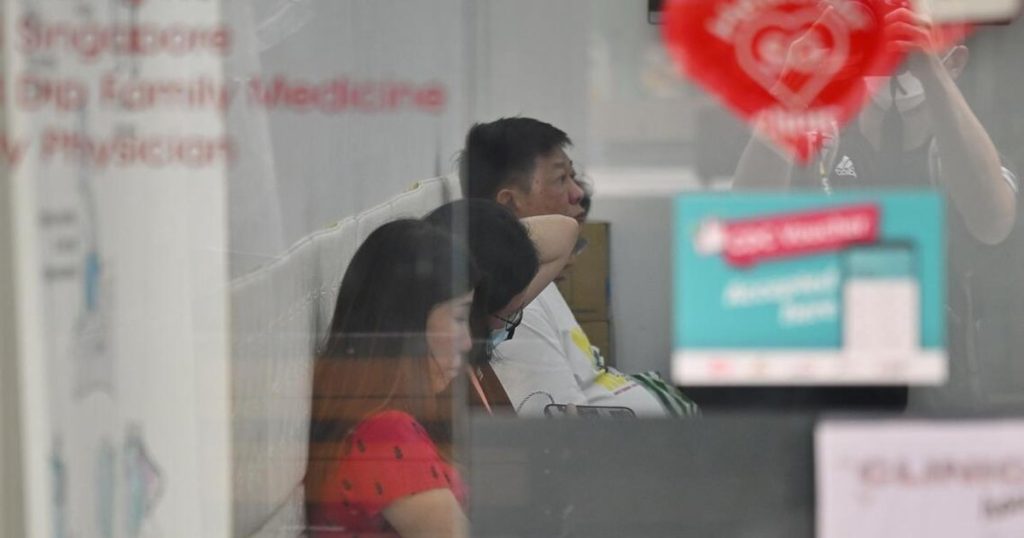
SINGAPORE – Hospitals’ emergency departments (EDs) received 20% more visits for conditions potentially related to the haze from the start of September to mid-October, while polyclinics saw a 25% rise.
An average of about 440 attendances were recorded at the EDs each day as at mid-October.
This marked an increase of about 20% from the daily average of 360 attendances in early September, Health Minister Ong Ye Kung said in a written parliamentary reply on Nov 3.
At polyclinics, the average daily attendances increased from about 4,000 to 5,000 over the same period.
Ong also said the largest increase was observed among adults aged 18 to 64.
On Sept 4, the 24-hour Pollutant Standards Index (PSI) entered the unhealthy range for the first time in 2026, with a reading of 101 in the central region.
Separately, more than 113,000 people had benefited from the haze subsidy scheme between Oct 12 and 24.
Under the scheme, eligible Singapore citizens pay no more than $10 for treatment of haze-related ailments at more than 1,300 private general practitioner (GP) clinics.
Over 72,000 visits were recorded at private GP clinics participating in the scheme, and over 41,000 visits were logged at the polyclinics, said Ong in a written reply in response to Liang Eng Hwa (Bukit Panjang).
The number of people who benefited from the scheme is likely to be higher as not all clinics have completed the submission for claims.
For visits to participating GP clinics under the Public Health Preparedness Clinic (PHPC) scheme, patients pay no more than $10 if they are children up to 18 years old, elderly citizens aged at least 65, and if they hold CHAS blue or orange cards or Medical Fee Exemption Cards.
Hamid Razak (West-Coast-Jurong West GRC) asked if the subsidy can be extended to those who do not belong to the two age groups but have chronic respiratory conditions and are not on any government assistance schemes.
Ong replied that the subsidies at private GP clinics are targeted at those with greater need. For citizens aged 19 to 64 without the relevant cards, they may receive the haze subsidy when seeking treatment at polyclinics.
There is currently limited evidence of long-term health effects from periodic haze exposure in Singapore, and doctors will provide additional support to those with pre-existing respiratory conditions, the minister added.
Such support includes engaging patients on appropriate action plans for managing exacerbations, adjustment of medications, stepping up therapy where clinically appropriate and reinforcing medication adherence.
The doctors will also remind patients to have an adequate supply of their medications and keep their inhalers with them at all times.
Ong was responding to questions from Joan Pereira (Tanjong Pagar GRC) and He Ting Ru (Sengkang GRC).
The Sengkang GRC MP also asked if the Health Ministry would be publishing estimates of healthcare costs arising from the haze.
MOH does not specifically track healthcare costs directly attributable to haze, Ong said.
He added that it was difficult to distinguish between respiratory conditions caused directly by the haze and those with other causes, “especially since we are also undergoing an influenza season at this time of the year”.