Triana’s hand-painted tiles « Euro Weekly News
Hand painted tiles celebrate the village roots
Credit:Triana Corazon de la Axarquia/FB
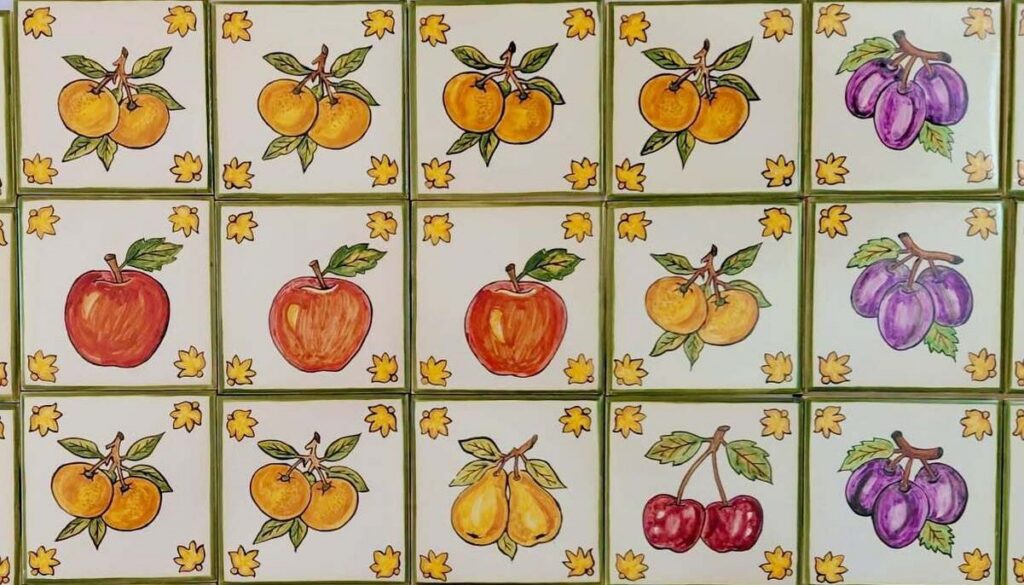
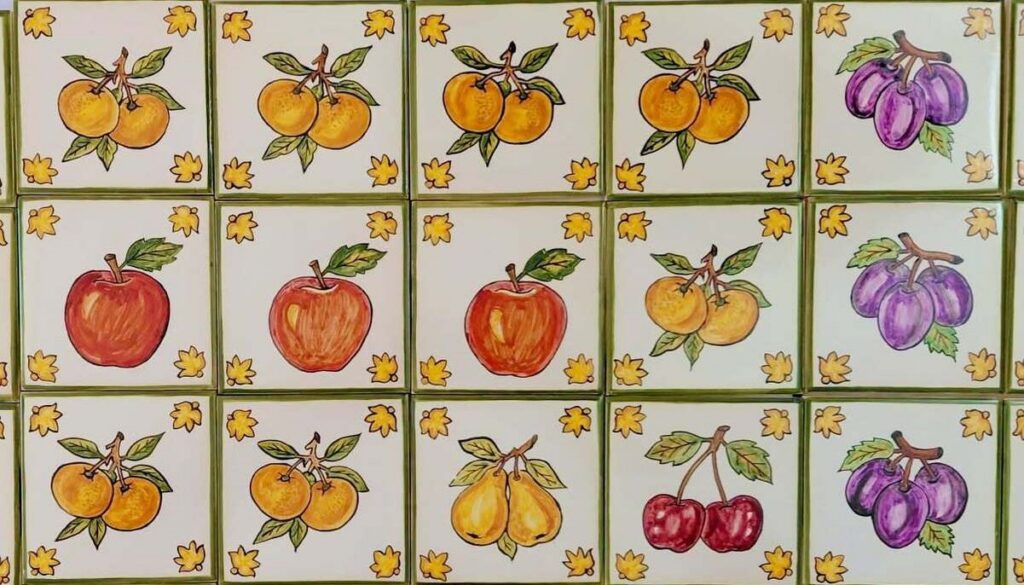
Velez-Malaga’s peaceful village of Triana is about to make its farming heritage impossible to miss. Plans are to place beautifully hand-painted ceramic tiles beside the house numbers on 14 streets, each designed to celebrate the fruit, trees and traditions of this fertile corner of eastern Malaga.
Local resident Francisco Javier Medina, administrator of the Facebook page Triana Corazon de la Axarquia , (Triana, Heart of the Axarquia) — is leading the voluntary project. His goal is to give each street its own personality and honour the village’s agricultural roots.
Art made for everyday streets
Recognised local artist Pepe Galvez will carefully design and produce the tiles. Each individual piece will be unique, lovingly painted by hand and inspired by fruit and other elements connected to the area’s rich farming life.
The new tiles won’t be replacing existing numbers, the ceramics will sit beside them on house façades. Residents and visitors should find the village easier to navigate, and at the same time get to enjoy more attractive, colourful and distinctive signage.
Streets named for the land
Triana’s street names already tell a wonderful story of orchards, trees and rural work. Tiles are planned for Cerezo (cherry tree), Limonero (lemon tree), Manzano (apple tree), Ciruelo (plum tree), Mandarino (mandarin tree), Semilla (seed), Peral (pear tree), Avellano (hazelnut tree), Alamo (poplar), Fresno (ash tree), Castaño (chestnut tree), Nogales (walnut trees), Paseros (raisin-drying beds) and Naranjo (orange tree).
A warm welcome for visitors
For anyone living in or exploring inland Andalucia, the tiles give walkers a reason to pause, look up and discover the village’s story street by street. No completion date has been confirmed, but the idea is wonderfully simple and appealing: turn the names on Triana’s street corners into little reminders of the orchards, trees and rural work that gave the village its identity.