What to know about Spain’s upcoming train strikes this autumn
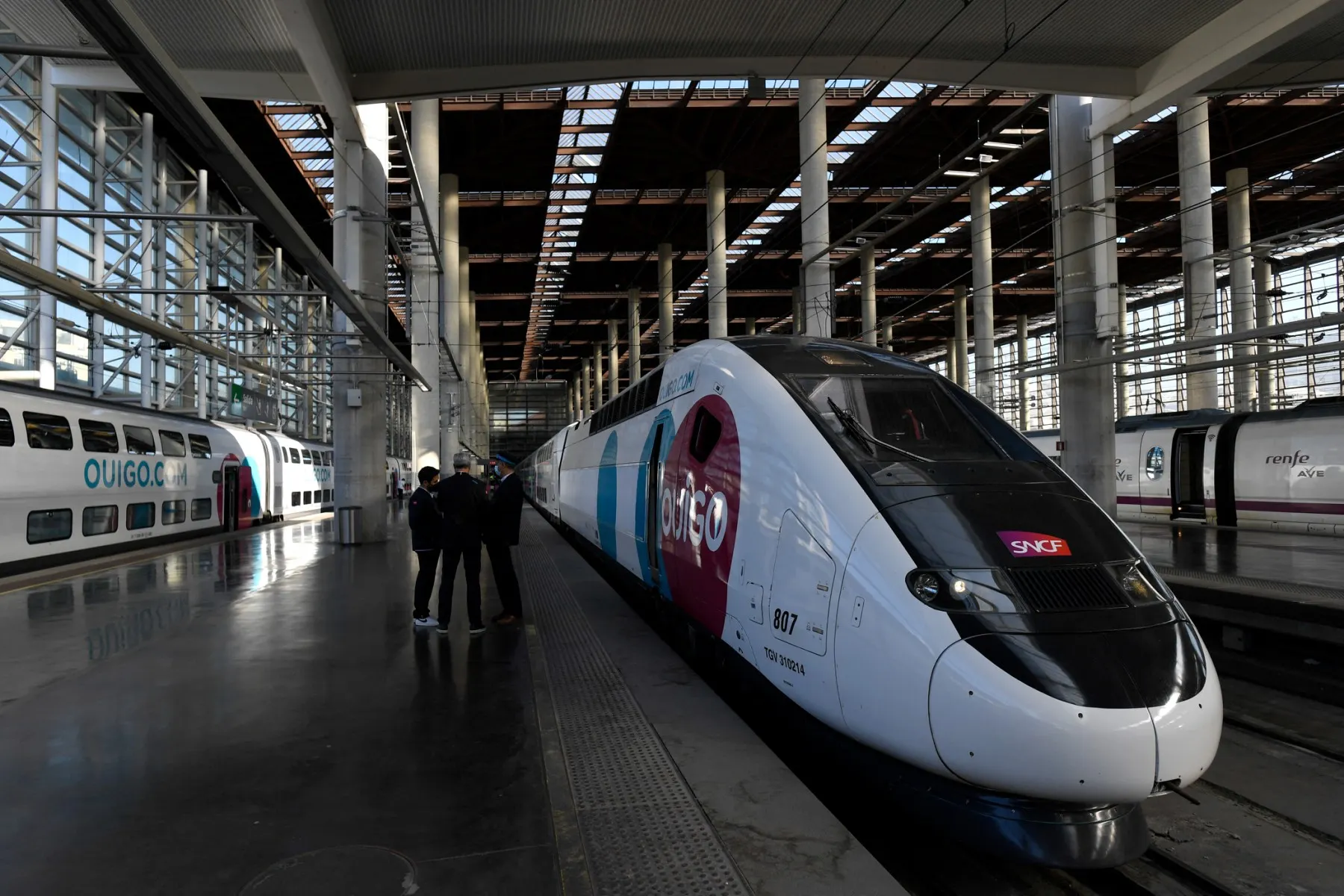
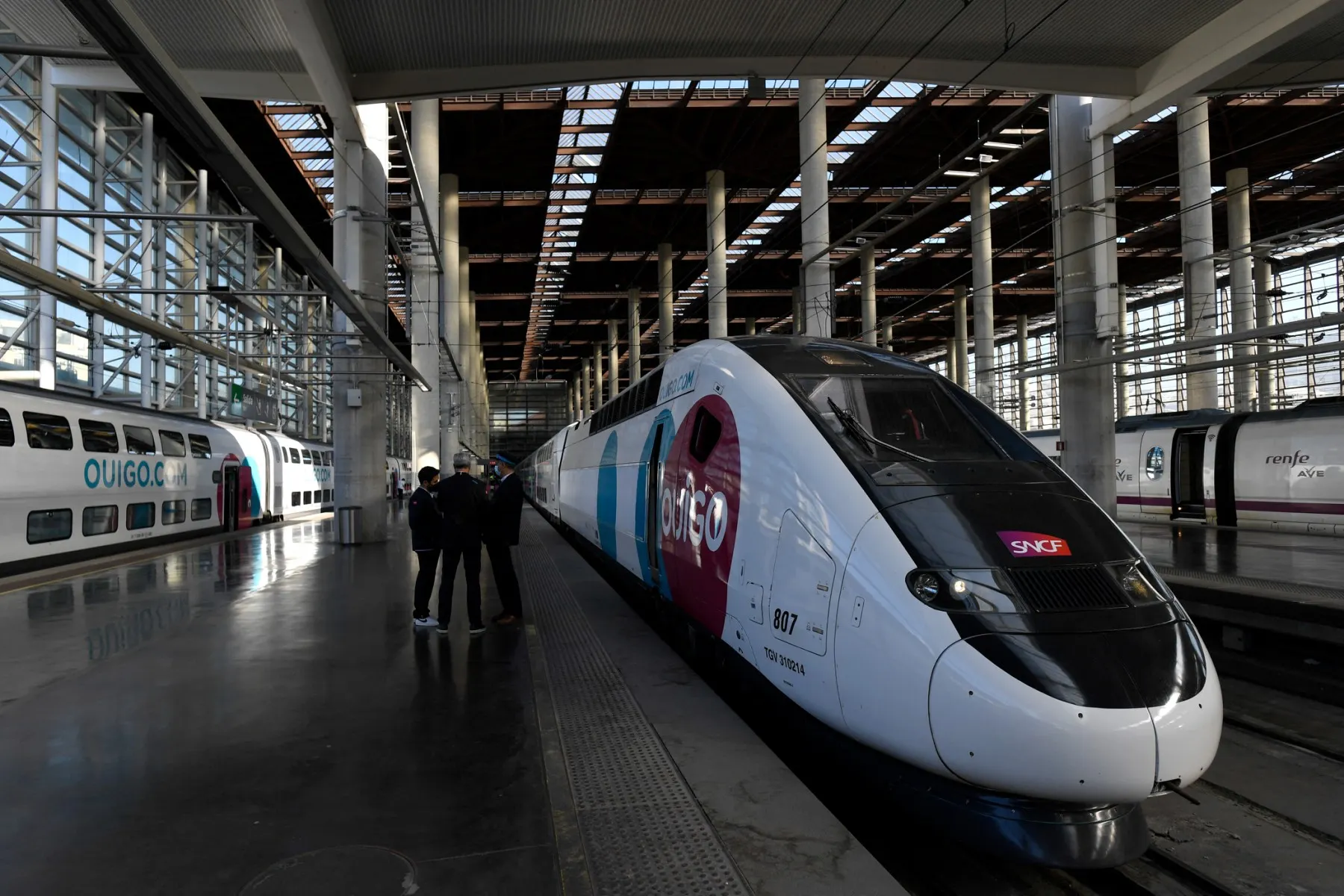
Spanish train drivers for national rail operator Renfe and low-cost French competitor Ouigo have called nationwide strikes for Thursday October 29th and other key dates coinciding with public holidays in November and December.
Spain’s Train Drivers’ Union (Semaf) have called a 24-hour strike for Thursday October 29th in protest against the non-compliance of safety measures agreed with national rail operator Renfe and Spain’s Ministry of Transport earlier this year.
Staff for Renfe’s low-cost competitor Ouigo have also called 24-hour strikes for Friday October 30th and Monday November 2nd, and partial strikes on November 6th and 9th as well as December 4th and 8th.
Some of these strike dates coincide directly with two long weekends in Spain: All Saints’ Day (moved to Monday November 2nd), and the even longer puente weekend for Almudena Day in Madrid and Constitution Day.
What to expect if were planning on travelling by train in Spain on these days
During Renfe train drivers’ 24-hour stoppage on Thursday October 29th, 73 percent of high-speed AVE trains and between 75 and 50 percent of Cercanías commuter trains will run depending on the time of day, according to the minimum services set this Monday by Spain’s Ministry of Transport.
Renfe has said that commuter rail services have been established according to time slots, so that on the strike day 75 percent of trains will run during peak hours – from 6am to 9pm; from 1.30pm to 3.30pm, and from 6.30pm to 8.30pm – and 50 percent the rest of the day.
Regarding high-speed rail, 73 percent of the AVE and Renfe’s low-cost Avlo trains that normally run must operate, and 65 percent of medium-distance trains will operate, according to the established minimum services.
As for Catalonia’s Rodalies trains, the strike will see 66 percent operate as normal during peak hours and 33 percent during the rest of the day.
The relatively high rate of guaranteed minimum services means most train passengers should expect medium to low disruptions to train travel in Spain on Thursday.
Ouigo’s protest will affect high-speed rail services to or from 15 destinations: Madrid, Barcelona, Tarragona, Valencia, Alicante, Elche, Zaragoza, Albacete, Cuenca, Valladolid, Segovia, Murcia, Seville, Málaga and Córdoba.
As stated above, October 30th and November 2nd will be 24-hour strikes, whilst November 6th and 9th will be partial stoppages (from 6 am to 12pm and 6pm to 11.59pm).
December 4th and 8th’s stoppages will also be partial but the time slots have not yet been announced.
Don’t miss our journalists’ daily news roundup from Spain
If you had train tickets booked for any of these, you should verify your journey status directly through the official Renfe or Ouigo websites or apps, as they are required to publish the list of exactly which train numbers are cancelled.
If your train is officially cancelled, Renfe or Ouigo must offer you the option to switch to another available train time for free, or claim a full ticket refund.
If you’re travelling on a very tight schedule or your train is cancelled, consider booking long-distance bus alternatives like ALSA or renting a car, or alternatively give yourself a bit more time to account for potential delays.
Why are Renfe train drivers going on strike?
According to train driver union Semaf, neither Renfe nor the Ministry of Transport have carried the safety improvements promised to them last February, following a devastating month for rail travel in Spain.
In January 2026, the country suffered a severe rail crisis when two separate fatal train accidents occurred within 48 hours of each other, leading to national mourning, infrastructure investigations, and widespread labour strikes.
On January 18th, an Iryo high-speed train derailed on the Madrid-Seville high-speed line near Adamuz, Córdoba. Just 20 seconds later, an oncoming state-run Renfe high-speed train collided with the derailed carriages, causing it to derail as well.
Forty-six people were killed and 292 others were injured, making it the first fatal accident in the history of Spain’s high-speed rail network.
Two days after the Adamuz tragedy, a commuter passenger train derailed in Gelida, near Barcelona, killing the train driver and injuring 37 passengers.
An investigation found that torrential rains in Catalonia caused a retaining wall to collapse directly onto the tracks just as the train approached.
Semaf’s main demands from Renfeinclude the implementation of clear and mandatory protocols for adverse weather events, better coordination of communications in emergency situations, and the hiring of new train drivers.
They are also calling for improvements in the support provided to professionals injured in train collisions and measures to increase the reliability of railway equipment.
On Monday, Renfe reiterated that the “alleged demands exceed the company’s scope of authority” and claimed Semaf’s demands were not included in the collective bargaining agreement reached in July.
“Many of Semaf’s demands stem from actions that already exist or are implemented by Renfe, and which the union wants to see generalised across the entire rail sector,” the operator insists three days before the strike.
“In adverse weather conditions or hazardous situations, Renfe is the only operator that adopts safety measures, while other competitors maintain service, a fact that the union also acknowledges.”
As for Ouigo, Semaf accuses the French high-speed rail company of repeated breaches of the collective agreement, especially regarding working hours, shift organisation, breaks and compensation for overtime.
Ouigo’s management maintains that it complies with the working conditions agreed upon in the agreement signed in 2024 and has expressed its willingness to continue negotiating.