Is Andalucia earthquake-ready? We’re about to find out « Euro Weekly News
Andalucia’s emergency services are preparing for a major earthquake exercise in the Granada Province on November 10, when around 200 participants will test how effectively authorities can coordinate their response to a serious tremor.
Known as Respuesta26, the Junta de Andalucia-led exercise will examine how emergency plans are activated, command centres established, resources deployed and communications maintained between different organisations.
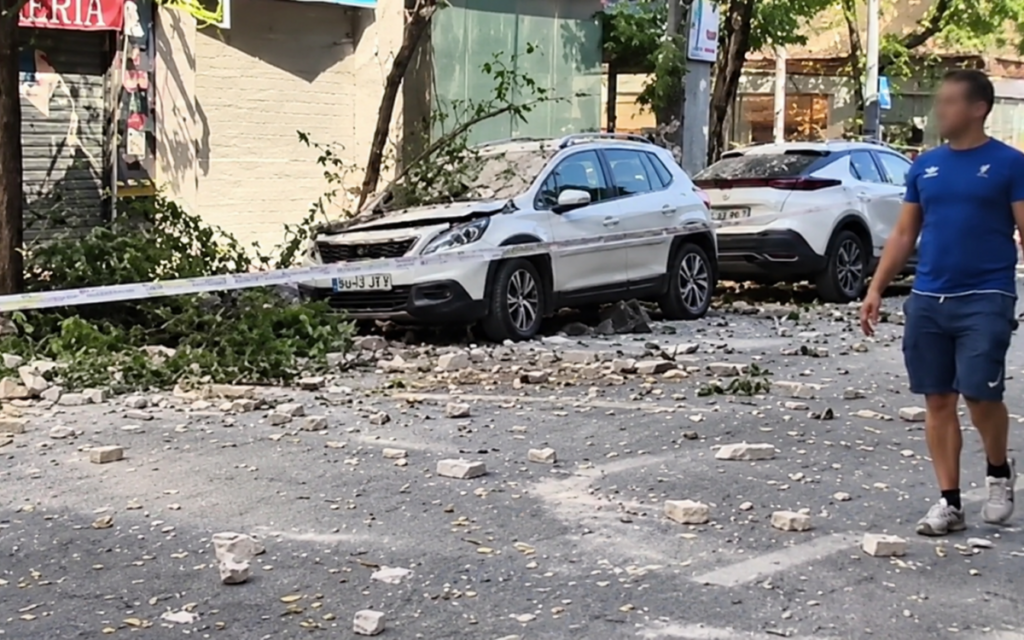
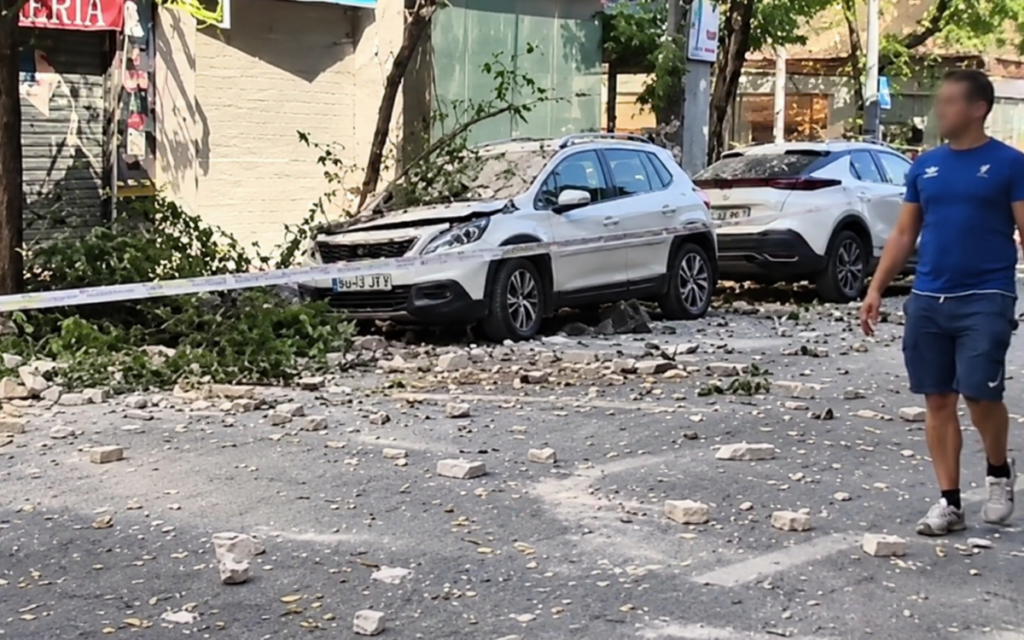
The test comes just months after a damaging earthquake sequence shook Granada province, forcing hundreds of residents from their homes and triggering extensive building inspections. It will put the region’s emergency arrangements under scrutiny, although the Junta has not confirmed whether the November scenario will recreate the specific problems experienced during the summer.
What will happen during the Granada earthquake test?
Respuesta26 will bring together regional emergency teams, firefighters, medical services, municipal authorities, local police, Civil Protection volunteers and representatives of central government. Granada Provincial Council, universities and professional organisations are also expected to participate.
The exercise will test four key areas: activating emergency plans, establishing command posts, mobilising personnel and equipment, and ensuring effective communication between the organisations involved. The Junta has described Respuesta26 as the largest earthquake exercise in Spain involving different levels of government.
These arrangements are crucial when a major emergency crosses municipal boundaries and requires several organisations to work together. Emergency teams need to know who is in charge, where resources are required and how reliable information will reach those making decisions.
However, the precise operational scenario has not been publicly confirmed. It is not yet clear whether participants will also practise rescuing people trapped in damaged buildings, evacuating residents or assessing properties at risk of collapse, as in previous exercises.
Andalucia has also staged large-scale emergency simulations involving different hazards. In 2025, the Junta organised Response25, a major tsunami emergency exercise in Cadiz, based on a hypothetical earthquake-triggered tsunami.
Granada’s earthquake damage raises the stakes
The exercise follows the seismic sequence that began on August 14 and included two magnitude 4.8 earthquakes, on August 15 and 18. More than 1,500 earthquakes were recorded during the sequence by early September, according to the Junta. The tremors caused damage to buildings across the Vega de Granada and led to precautionary evacuations.
By September 7, around 600 people had been evacuated from their homes, with many subsequently allowed to return following safety assessments. Technical teams carried out inspections to establish whether affected buildings could be occupied safely.
The Junta also approved €7 million in funding for repairs to public infrastructure and facilities in 27 towns affected by the earthquakes. The regional government’s funding announcement sets out the support for towns affected by the seismic sequence.
The scale of the response illustrates the demands placed on authorities when an earthquake causes widespread disruption. As well as dealing with immediate emergencies, officials must assess damaged properties, determine whether residents can return home and coordinate recovery work.
Will the exercise test real earthquake emergencies?
Granada has previously rehearsed the practical consequences of a major earthquake. A council-led drill in 2019 included simulated building damage, injured people, individuals trapped under rubble and missing persons.
That earlier exercise shows that local emergency services have experience of practising scenarios involving rescue operations and damaged buildings. It does not, however, establish that Respuesta26 will repeat those elements.
The distinction is important because testing command structures and communications is not the same as rehearsing a complex rescue operation. Both are important, but each presents different challenges.
One question for the Junta is whether the November exercise will test the full chain of emergency response, from the initial alarm and deployment of rescue teams to building inspections and decisions about evacuating or returning residents to their homes. Confirmation of the scenario would help establish exactly what lessons the exercise is intended to deliver.
Continuamos para bingo.
#Terremoto Here We go#Granada https://t.co/s0ebQOL78T
— Fornizio Rumano (@FornizioRumano) August 18, 2026
What could the results mean for people?
For people living in Granada and elsewhere in Andalucia, the value of Respuesta26 will depend on what it reveals about the region’s ability to respond under pressure. An exercise can help identify communication problems, clarify responsibilities and expose weaknesses in emergency procedures before a real disaster occurs. Its findings can then inform improvements to plans and coordination between agencies.
The August earthquakes also revealed that the consequences of a tremor can extend well much further than just the initial shaking. Building safety, evacuation decisions and the return of displaced residents can all require sustained cooperation between emergency services, engineers and local authorities. The Junta has not yet confirmed whether these specific challenges will form part of the November simulation.
Respuesta26 will therefore provide an opportunity to test the readiness of important parts of Andalucia’s earthquake response. Whether it also examines the practical difficulties faced by residents during the Granada emergency remains a key question ahead of November 10.