UK threatens visa bans for Eritrea over migrant return policy
Home Secretary Shabana Mahmood has threatened to ban all Eritreans from entering the UK if the east African country’s government does not accept more returns of small boat migrants and foreign national offenders.
From Thursday, Eritrean diplomats will face restrictions on their movement outside London. Fast-track visas will also be stopped for VIPs.
Ministers have previously pressured other countries into accepting returns by threatening visa bans.
Eritrea branded the move a “perfunctory political gimmick”, saying the UK had not issued a single visa to an Eritrean official since 2023, which the Home Office denies.
The country’s embassy in London also accused the UK of refusing to engage in “meaningful and appropriate dialogue”.
It said the UK had failed to disclose the return of criminals still serving prison terms and that the UK had claimed returns were voluntary “when clearly, they were not”.
However, a Home office spokesperson said the Eritrean government’s commentary “misrepresents the UK’s position”.
The UK had granted an exemption from immigration control for an Eritrean official in August 2026, according to the Home Office. Sources also said the UK hoped to restore co-operation between the two countries.
Human Rights Watch has accused Eritrea’s government of widespread repression – including forced labour, conscription and restrictions on freedom of expression.
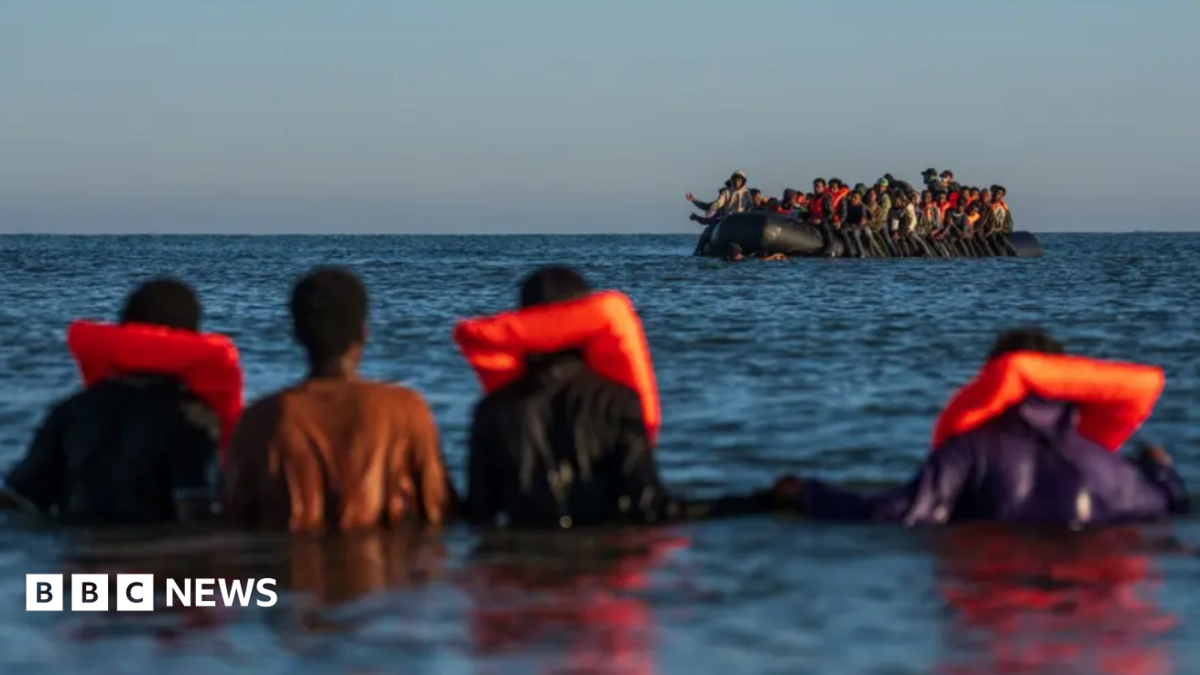
Eritreans were the most common nationality among small boats migrants in the 12 months to June – accounting for 18% of arrivals, external, according to figures from the House of Commons Library.
Mahmood said: “Eritrea has had every chance to accept the return of criminals and those with no right to be in the UK. Unlike other countries, it has refused.”
She said she would not hesitate “to impose further measures on other countries refusing to co-operate”.
The UK government accused the Eritrean authorities of “abruptly” withdrawing co-operation earlier this year.
The restrictions mean diplomats are banned from travelling 60km outside London without permission.
The Home Office said this mirrored restrictions on British officials in Eritrea’s capital Asmara.
In the 12 months to June only seven people from Eritrea were returned there from the UK, according to Home Office figures. A further 244 Eritreans were returned to other countries.
Over the same period, more than 5,800 Eritreans arrived in the UK via small boats. A further 1,300 were given visas, mostly to join people already settled in the UK.
Dr Madeleine Sumption, director of the Migration Observatory at the University of Oxford, said targeting Eritrea would have little impact.
“Eritrea is one of the major countries of origin for asylum seekers coming to the UK – we had roughly 7,000 asylum applications in the last year of data, roughly 8% of the total,” she told BBC Radio 4’s Today programme.
“Most Eritreans who come and claim asylum are not removable at all – the government would never be in negotiations to remove them because 84% are successful at initial decision; more will be successful on appeal.”
She added that about 1,400 people were initially refused asylum, but that this number would reduce after appeals.
Many young Eritreans try to leave the country – which is a one-party state – to avoid military conscription, which can last for decades.