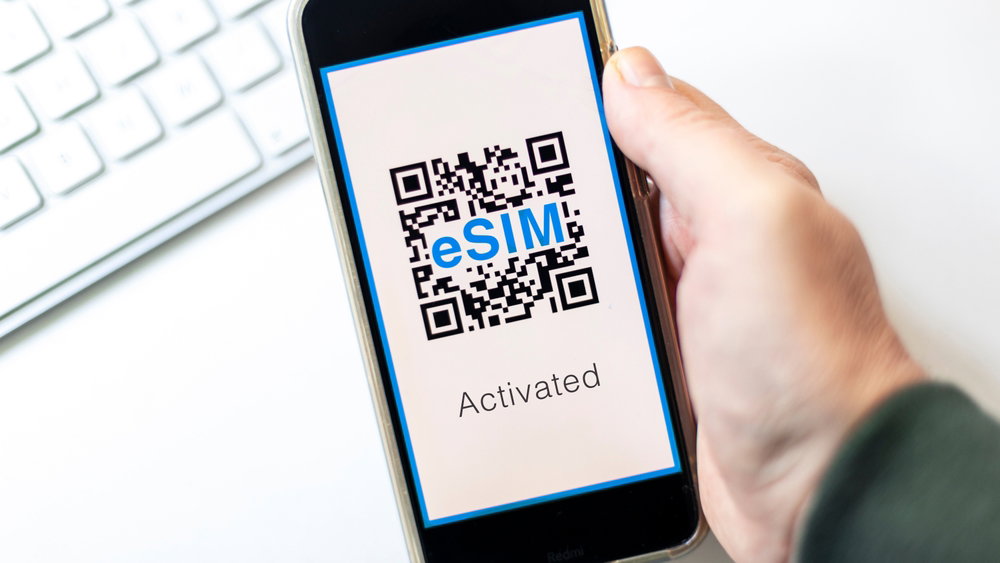
Cost-saving tips when using a prepaid eSIM for travel
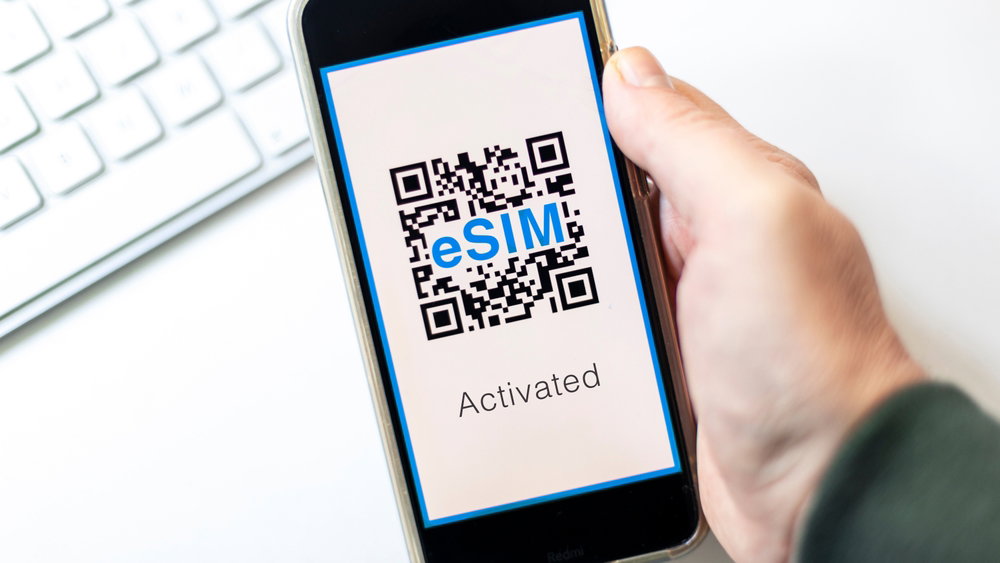
Travel brings excitement, yet costs can rise quickly if small details go unchecked. Mobile data plays a key role in how smoothly your trip unfolds. Poor planning can lead to unnecessary expenses, especially when you rely on constant connectivity for maps, bookings, and communication. Many travellers now look for ways to stay connected while keeping their spending under control.
A prepaid travel eSIM offers a practical way to manage connectivity costs without physical SIM cards. It provides clear pricing and flexible plans that suit different travel needs. This article shares seven effective tips that help you reduce expenses and get the best value from your eSIM during your journey.
Choose a plan that matches your actual usage
Selecting the right plan is the first step toward saving money during travel. Many travellers pick a plan based on guesswork, which leads to either unused data or frequent recharges. This can affect your budget and create unnecessary stress.
Take time to estimate your daily data needs before your trip. Consider how much you will use maps, messaging apps, and bookings. A plan that matches your usage pattern helps you avoid overspending and ensures your data lasts for the entire journey.
Reduce data consumption through smart usage
Data can disappear quickly when you use it without control. Activities such as video streaming, large downloads, or continuous app usage can reduce your balance in a short time.
Focus on essential tasks while using mobile data. Limit activities that consume high amounts of data and save them for Wi-Fi access. This approach allows you to extend your plan and maintain a stable connection throughout your trip without extra costs.
Control background data to prevent waste
Many apps continue to use data even when you are not actively using them. Automatic updates, notifications, and cloud services can consume your plan without notice.
Check your device settings and disable background data for apps that are not essential. This ensures your data remains available for important tasks such as navigation and communication. Controlling background usage helps you maintain better control over your expenses.
Use offline options to minimise data dependence
Offline features can reduce your reliance on mobile data during travel. Many apps allow you to download maps, guides, and documents for later use.
Download essential information before you begin your day or before your trip starts. This allows you to access key details without using data. It also helps you stay prepared in areas where network strength may vary, which improves your overall travel experience.
Track your data usage on a daily basis
Monitoring your data usage helps you stay aware of how much you have used and how much remains. Without regular checks, you may reach your limit without warning.
Use your phone settings or provider app to review your usage each day. This allows you to adjust your habits based on your remaining data. Daily tracking helps you avoid sudden interruptions and ensures your plan lasts for the duration of your trip.
Disable automatic updates before travel
Automatic updates for apps and system software can consume a large portion of your data without notice. This can affect your plan and reduce the data available for essential tasks.
Turn off automatic updates before your trip begins. Update your apps in advance while connected to Wi-Fi. This simple step helps you save data and ensures your plan is used only for important travel needs.
Use Wi-Fi strategically for high data tasks
Wi-Fi can help reduce your mobile data usage when used carefully. Hotels, cafés, and public spaces may provide access to internet services that support high-data tasks.
Use trusted Wi-Fi networks for activities that require more data, such as video calls or downloads. This helps you preserve your mobile data for essential tasks when you are on the move. Always choose secure networks to protect your information.
Why these tips help you save more
Each of these tips focuses on small adjustments that reduce unnecessary data usage. These changes can make a noticeable difference in your overall travel expenses. Managing your data wisely helps you avoid additional charges and keeps your connection stable.
A prepaid travel eSIM works best when combined with smart usage habits. It provides clear pricing and flexibility, while your approach ensures efficient use of your data. This combination supports a cost-effective travel experience.
Travel becomes more enjoyable when you manage your expenses with care. Mobile data plays an important role in your budget, and simple steps can help you control your spending.
A prepaid eSIM offers a reliable way to stay connected while keeping costs under control. By following these tips, you can use your data efficiently and avoid unnecessary expenses. With the right approach, your journey remains smooth, efficient, and budget-friendly.