A week without Spain’s big supermarkets? The proposal targeting food prices « Euro Weekly News
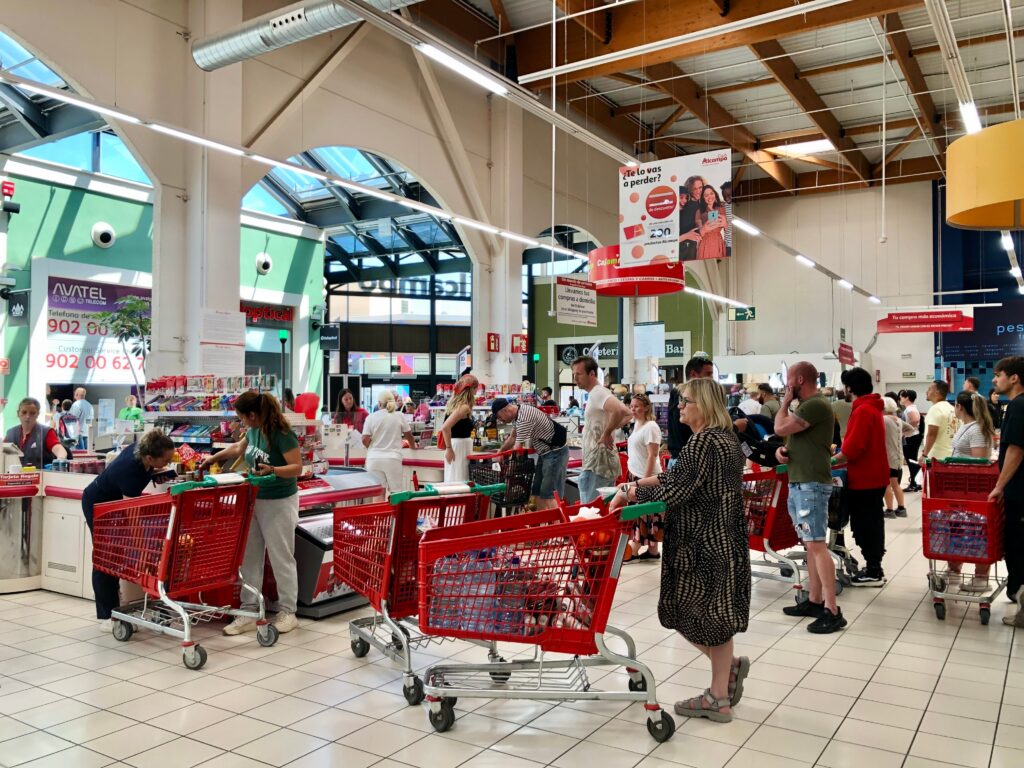
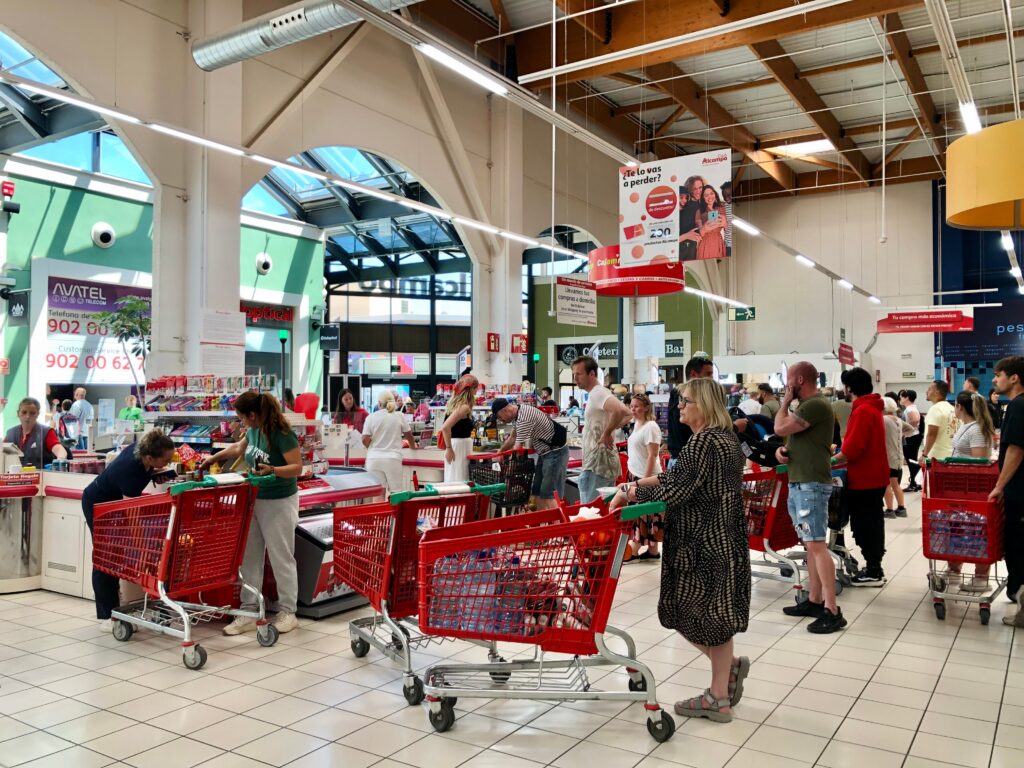
The idea is for millions of people to avoid buying food from the major chains for one week. Photo credit: marinissim/Shutterstock
If you have started leaving things off your shopping list because the bill is getting too high, you are far from alone. Fresh food that once went into the trolley without much thought is becoming harder for some families to afford, and now a food-policy campaigner is asking whether shoppers should hit Spain’s biggest supermarket chains where it hurts, by refusing to buy from them for a week.
Javier Guzmán, director of Justicia Alimentaria, has raised the idea of a coordinated consumer boycott to demand lower prices for essential, healthy food. In an opinion article published by El Salto on October 11, he argues that families should not have to keep cutting back while the major players in the food supply chain retain the power to influence what people pay. The proposal is not an announced nationwide strike, and no dates have been set. But it comes as food affordability remains a concern for households across Spain.
Food prices are changing what people buy
Food and non-alcoholic drinks in Spain are around 36 per cent more expensive than they were five years ago, according to the figures cited by Guzmán. Over the same period, wages have not kept pace with food-price increases.
The consequences go beyond shoppers choosing a cheaper brand. Guzmán points to national food-consumption data showing that more than half the population has significantly reduced its consumption of meat and fish. More than a quarter have cut back on fruit and eggs, while purchases of vegetables and dairy products have fallen by more than 10 per cent.
These figures matter because people are not simply spending less on treats. Reducing the amount of fresh food bought can make it harder to maintain a balanced diet, particularly for families already working within a tight budget. Guzmán argues that consumers are repeatedly being told to look for offers, change supermarkets or adapt their diets, while the structure of the food market receives less attention.
Why are supermarket margins part of the debate?
The campaigner points to figures from Spain’s Observatorio de Márgenes Empresariales, which draws on data from the Tax Agency and the Bank of Spain.
According to the figures cited in his article, the supermarket sector has reached record levels of turnover and margins, with margins averaging close to 8 per cent. The food manufacturing industry has maintained margins of around 10 to 11 per cent for at least three years.
These figures do not mean that every supermarket makes the same profit, or that margins alone explain food-price rises. However, Guzmán argues that they raise questions about how prices are formed across the supply chain and whether there is room to make essential food more affordable. His proposed boycott would seek to put pressure on large retailers to reduce their margins on basic, nutritious products.
What would a week without the big supermarkets look like?
The idea is for millions of people to avoid buying food from the major chains for one week, turning instead to municipal markets, independent neighbourhood shops, food cooperatives and local producers where possible. The aim would not simply be to move spending from one retailer to another. Participants would also call for a specific reduction in the price of a basket of healthy foods, making the demand clear to supermarket chains.
Guzmán acknowledges that a boycott alone would not transform the food system. Its potential value would be in showing that consumers can act together rather than each household struggling separately with rising bills. There is also a practical challenge: a boycott would need widespread participation to make a significant commercial impact, and there is no guarantee that retailers would respond by lowering prices.
The proposal for 100 healthy foods at fair prices
The boycott idea follows a separate initiative launched by Justicia Alimentaria on 22 September, called 100 alimentos saludables a precio justo, 100 healthy foods at a fair price. The organisation wants major supermarket chains to offer a permanent basket of 100 essential, nutritious foods at cost price.
The proposed basket would include fruit, vegetables, pulses and other basic foods compatible with official healthy-eating recommendations. Justicia Alimentaria says the reduction should come from a limited part of retailers’ commercial margins, rather than lower payments to farmers, livestock producers or food suppliers. It also says the measure should not be financed with public money.
Can Spain follow France’s example?
The organisation is seeking support from consumer groups, health and social organisations, family associations, unions, environmental groups and agricultural representatives to build a wider coalition around the proposal. It points to a similar initiative in France, where 42 organisations from different sectors have come together to campaign for a basket of healthy foods at cost price, accompanied by a proposed legislative measure.
For Guzmán, the question is whether Spain can build comparable collective pressure to make healthy eating more affordable. For now, shoppers should not expect an organised boycott to begin on a particular date. The immediate campaign is a call to discuss and support fairer food prices, while the proposed week-long action remains an idea. Whether it becomes a coordinated movement will depend on whether consumers and organisations decide to take it further.