Why you can’t donate blood in Spain if you don’t speak Spanish
There’s a little-known rule in Spain that you must be able to understand and communicate in Spanish if you want to donate blood here.
Spain is one of the world leaders when it comes to blood donations and for many years it has been near the top of the rankings.
According to the European blood alliance, Spain came in fifth place in Europe when it came to the amount of blood donated in 2025, with 1.63 million donations.
And in 2024, the Spanish city of Burgos was world’s leading city in blood donations. There, donations exceeded 60 per 1,000 inhabitants, almost double the average for Spain.
Don’t miss our journalists’ daily news roundup from Spain
Blood donations are essential for numerous treatments and surgical procedures when patients need blood transfusions.
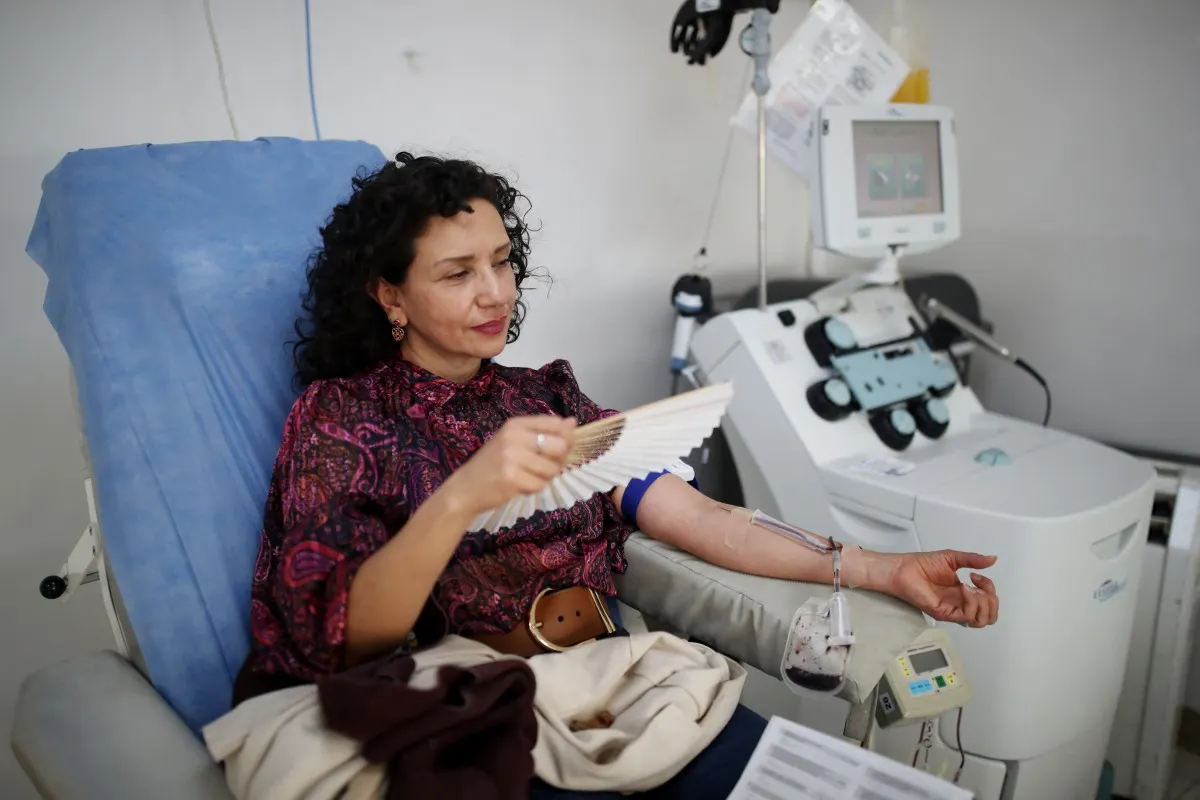
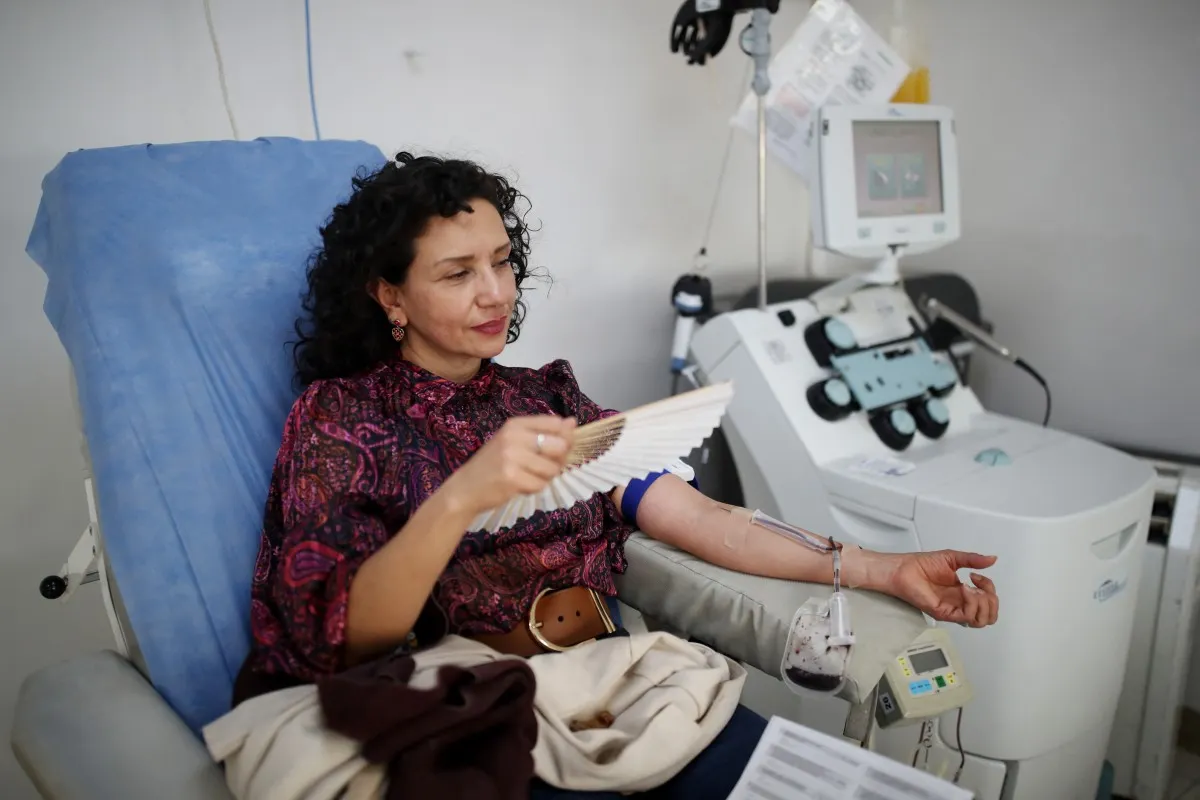
Blood donation vans are commonplace in neighbourhood squares and at big events in Spain, ensuring many people are actively encouraged to donate.
When you move to Spain, it’s common to get into the spirit of wanting to give blood and give back to your community, but there’s one small rule that may prevent some people from donating blood here. This is the fact that you must be able to speak or understand Spanish or another official regional language.
For a blood donation to take place in Spain, the donor is required to complete a detailed health questionnaire and undergo a mandatory medical interview. This to to ensure they’re healthy and aren’t suffering from any diseases.
READ ALSO: How can you donate blood in Spain?
In order to complete this, they must be able to understand the questionnaire which will typically be in Spanish or another official regional language such as Catalan.
That means that if you don’t understand Spanish or another regional language here, medical professionals could prohibit you from donating blood.
Royal Decree 1088/2005 states that the donor must fully understand the information provided, the health questionnaire, and the associated risks. It also says that attending physician has the final authority and legal obligation to exclude any individual if there is any doubt regarding their suitability or understanding of the process.
The Spanish Ministry of Health Guide on Basic Criteria for Donor Selection also specifies that the ability to communicate and understand the questionnaire is essential. It states that if healthcare personnel cannot reliably verify your lifestyle habits, medical background, or travel history due to you not understanding the questions or be able to provide the answers, they must therefore exclude you for safety reasons.
If a qualified translator is available or they have a questionnaire in English or your other native language and they can establish these answers, then it won’t be an issue, and you’ll be able to donate blood.
Rather than being discriminatory against people who don’t speak Spanish, this is for the safety of other patients who may be receiving your blood, and the donor himself .
One reader on Facebook said that he received a questionnaire in English at a major hospital in Barcelona, so it’s worth asking if they have one in English or another language that you’re able to understand. Not all hospitals or blood donations vans will have this, however.
Other reasons you may temporarily not be able to donate blood in Spain is if you’ve had a recent tattoo, you’ve travelled to certain countries, you’ve had a recent piercing, you’ve had a recent vaccination, you’ve had surgery recently or you are in your first trimester of pregnancy.
Having certain infections, diseases and conditions can of course also prevent you from donating blood in Spain.
Generally, you can donate blood in Spain if you’re over 50kg, are between the ages of 18 and 65 and don’t have any major health problems or any of the issues listed above.
If you have been a regular donor during your life, you may continue up until age 70. If you are female you can donate up to three times a year and if you’re male, up to four.