
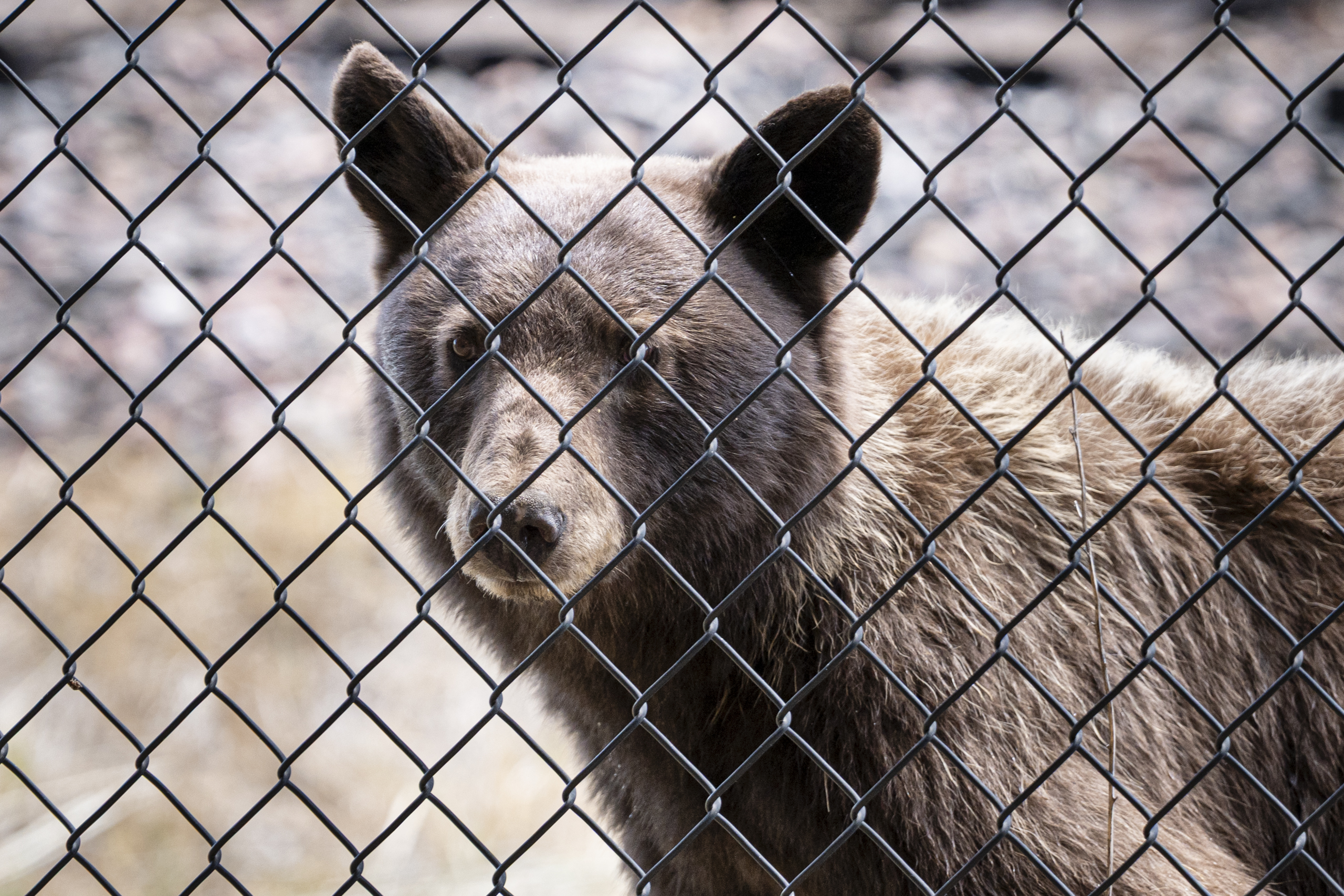
Colorado towns with bear trouble will share $1M in grants to reduce human-bear contact
Bears are the new tourists in many of Colorado’s most popular mountain towns, and bear run-ins have become routine enough that state wildlife officials are stepping in with $1 million in grants they hope will deter wildlife visits.
Gov. Jared Polis and Colorado Parks and Wildlife on Tuesday announced plans to disburse funds from the Human-Bear Conflict Reduction Community Grant among 17 projects that will outfit communities with bear-resistant dumpsters and containers in a year when conflicts are at record highs.
“Our quality of life, plentiful outdoor recreation opportunities, and jaw-dropping landscapes attract both families and animals to our state,” Polis said in a statement. “That’s why these common-sense and data-driven strategies are so important to reduce human-bear conflicts and ensure that all Coloradans and wildlife are safe.”
CPW has fielded more than 11,000 reports of incidents involving bears this year with “historical levels of conflict specifically as it relates to bears getting into homes,” said John Livingston, spokesperson for CPW’s southwest region.
That’s the highest number of bear-related incidents since CPW started keeping electronic records in 2019 and “very likely the most” ever recorded, Livingston said. Many of them have been bear sightings but half of those incidents have resulted in property damage or close encounters. The agency has also tallied 11 bear attacks this year, none of them fatal, and as of the end of August had euthanized 294 bears. CPW usually kills between 70 and 90 bears a year and, in many years, far fewer.
It’s an especially “bad bear year” with 4,000 more reports of bear incidents than what CPW has faced in a typical bad bear year, Livingston said.
The latest conflicts included a bear busting into a 17-year-old girl’s bedroom through a screen window near Durango and a camper bit through her tent near South Fork.
It’s a tough time to be a bear in many parts of the state, where freezes and severe drought have diminished some of their go-to food sources, prompting desperate bears with bottomless appetites to become bolder in their search for their next meal.
Food remained more reliable in areas at higher elevations, Livingston said, but bears have had less luck as they’ve wandered to lower elevations. Freezes during the spring killed off crops including raspberries, thimbleberries, serviceberries, hawthorns and choke cherries — what bears turn to during summer months as they wait for a bounty of acorns. That bounty never came as the drought wore on.
Unable to find berries on the outskirts of mountain towns, bears have followed their noses into those towns to sift through trash or stumble into unlocked cars or into homes through open windows.
Bears are particularly ravenous this time of year as they prepare for winter hibernation, trying to gain 3 to 4 pounds a day, which requires them to down at least 30 pounds of food, Livingston said. Once they come across a food hot spot, they’ll remember it for up to two years and will regularly return for seconds.
“Bears are a lot like us sometimes,” he said. “They want to exert as few calories as possible to bring in as many calories as possible. They don’t want to have to burn a bunch of calories to go find more calories to put into their body.”
While most people might race to pull out their phones to capture photos and videos of a bear roaming around homes or ambling down streets in front of restaurants and shops, the more humane thing to do is to blow an air horn, car horn or whistle from a safe distance, Livingston said. The commotion chases a bear away before they become comfortable enough to keep coming back, which could cut their life short should they consume trash that blocks their intestines, get hit by a car or have a conflict with a human, he said.
Brushes with bears will likely always happen to some extent, Livingston said, as populations of bears and people in Colorado have grown over the past 30 years. The equipment funded by the grants from CPW, bear-resistant bins and food lockers for campgrounds, do help limit conflicts — so long as people make an effort to use that equipment properly.
All it takes is one person working at a restaurant or living in an apartment to leave the door to a bear-resistant dumpster open to accidentally lure a bear, Livingston said.
“It takes all of us,” he said.
CPW considered 27 applications for grant funding this year and chose to fully fund 12 projects and partially fund five proposals. The money will help towns all over the state, including Aspen Village, Snowmass Village, South Fork, the Roaring Fork Valley, Eagle, Boulder County, Parachute, Twin Lakes, Rico, Dolores, Mancos, Ward, El Paso County, Fremont County, Eldorado Springs and Mountain View Village.
Recipients awarded the biggest grants include:
- The town of Oak Creek is receiving $161,625 to buy and distribute 550 bear-resistant trash totes to all residential customers.
- Manitou Springs is getting $100,000 to develop a citywide initiative to hand out bear-resistant residential trash bins and replace public receptacles downtown and near busy trailheads.
- The town of Minturn is receiving $100,000 to build out a centralized trash and recycling compactor system, which includes getting rid of outdoor containers and adding “wildlife-proof” public receptacles.