Are Trump’s TV ads a public service? Experts say no
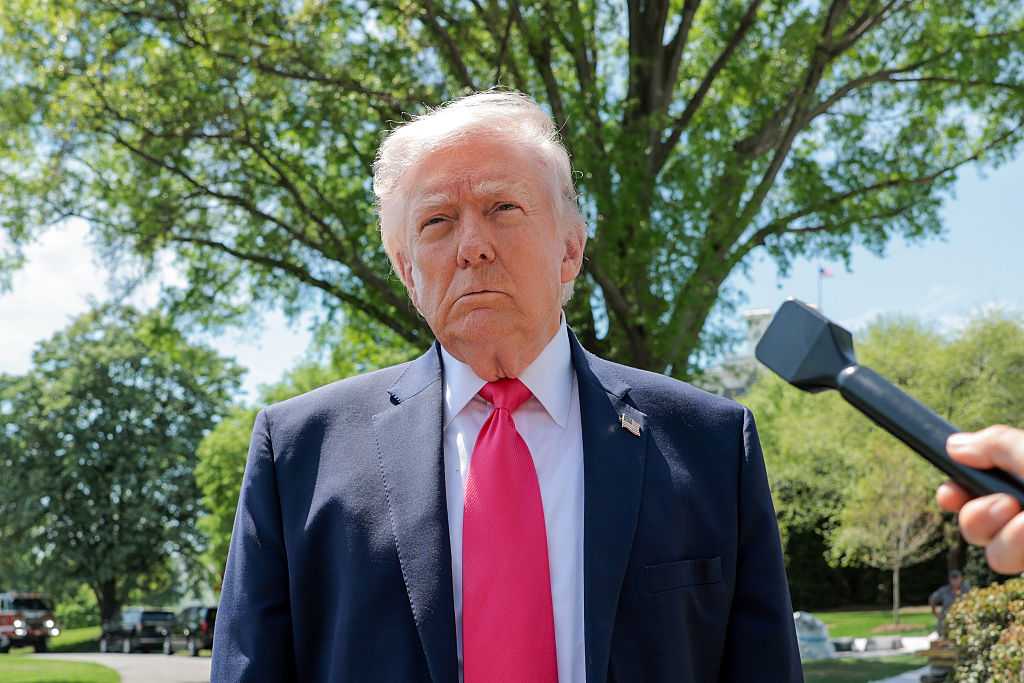
Are Trump’s TV ads a public service? Experts say no
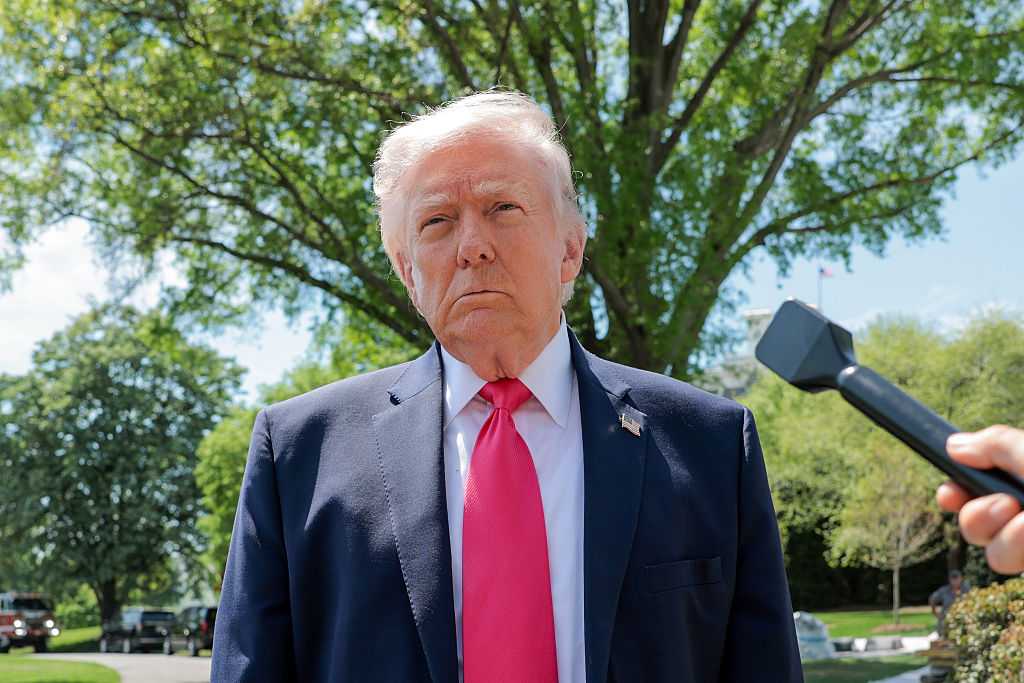
Weeks before the midterm elections, the Trump administration released a series of taxpayer-funded ads prominently featuring President Donald Trump promoting his agenda, and Democratic lawmakers called them illegal propaganda.
One of the ads plays black-and-white footage of Trump with a voiceover of him saying, “Together we will defeat communism, socialism and Marxism in America.” Photos of him as president and during the 2024 campaign flash onscreen as the song “Love Me,” by JMSN plays in the background. This ad aired Sept. 23 on Fox News and Newsmax, Politico reported.
This story was originally published on PolitiFact.com.
A group of Democratic lawmakers wrote a Sept. 24 letter to Susie Wiles, the White House chief of staff, saying the ad violates federal law and should be taken off the air.
“This is the sort of government propaganda one might expect in North Korea, not the United States of America, and it is an egregious and illegal misuse of Americans’ hard-earned tax dollars,” the letter said.
“This is the final battle,” Trump said in another ad. “With you at my side we will demolish the deep state” and “expel the warmongers from our government.”
A third ad is a minute-long clip of him speaking at Mount Rushmore in July for the 250th celebration of the country’s independence, praising the U.S. as “the most successful, most accomplished, most exceptional nation ever to exist in human history.”
“Paid for by the U.S. government,” text on the ads says.
The New York Times reported that more than $1 million likely has been spent on airing the ads, according to an estimate from AdImpact, an ad tracking service. It’s unclear which government agency is paying.
The White House defended the videos, saying they are not campaign ads but public service announcements and past administrations have similarly used PSAs “to explain policy and make the case for the nation’s direction.” It compared Trump’s videos with President George W. Bush’s national television campaign about Medicare; an Obama administration national ad to promote Affordable Care Act subsidies; and a Biden-era ad to encourage COVID-19 vaccination.
But experts in campaign and government law told PolitiFact they aren’t convinced the Trump ads are public service announcements.
Experts express doubt about the ads
Trump’s ads don’t inform citizens about how to access, benefit from or understand government programs, which is what differentiates public announcements from campaign ads, said Samuel Bagenstos, a University of Michigan law professor.
“By paying for the ads with government funds, the Trump Administration is violating the statute imposing a government-wide prohibition on using federal funds to pay for ‘publicity or propaganda,’” Bagenstos said. “It’s basically impossible to come up with a respectable argument to the contrary. All these ads do is aggrandize Donald Trump.”
Federal law does not define “publicity or propaganda” but the phrase is included in the omnibus appropriations bills Congress passes every year. Without a definition for the phrase, the Government Accountability Office says it has identified three activities banned by the publicity or propaganda prohibition: self-aggrandizement, covert propaganda and purely partisan materials.
Brett Kappel, an attorney and expert on government ethics law, also doesn’t think the Trump ads qualify as PSAs.
Kappel said whether the ads are illegal depends on which federal agency’s money is being used and whether the appropriations legislation for that agency prohibits using appropriated funds for “publicity or propaganda.”
One ad is repurposed from 2024 campaign
The black-and-white “Final Battle,” ad, which features Trump walking toward the camera, aired Sept. 26 and 27 during football games and TV programs. It isn’t new. Trump released nearly identical ads in January 2024 and October 2024 during his presidential campaign. The 2024 ads ended with a call to text or vote for Trump.
The Hatch Act limits certain political activities of federal employees. Whether the ads violate that law is harder to prove since Trump is not a candidate for the midterm elections, even though his party has much at stake, Bagenstos said.
For the Hatch Act, the key issue is whether these ads constitute “propaganda,” a term that is not defined in the law, said Stanley Brand, a Penn State Dickinson Law distinguished fellow in law and government.
As a practical matter, with the Trump administration in charge of enforcing the laws, including the Hatch Act, there’s little to no likelihood of enforcement, experts said.
This story was originally published on PolitiFact.com.
It is republished here as part of a reporting and fact-checking partnership between PolitiFact and Hearst Television.
PolitiFact Researcher Caryn Baird contributed to this report.
Our Sources
- Medium Buying, X post, September 27, 2026
- The New York Times, A Trump 2024 Campaign Ad Returns, Now Brought to You by the Government, September 27, 2026
- AdImpact, X post, Sept. 24, 2026
- AdImpact, Celebrating The Enduring Spirit And, accessed Sept. 28, 2026
- AdImpact, Final Battle, accessed Sept. 28, 2026
- AdImpact, The Country He Loves, accessed Sept. 28, 2026
- Donald Trump, Truth Social post, Jan. 12, 2024
- X post, Sept. 27, 2026
- Andrew Arenge’s X post, Sept. 27, 2026
- JMSN, “Love Me” on YouTube, July 25, 2023
- CNBC, Politics & Policy Taxpayer-funded Trump ads draw bipartisan scrutiny ahead of midterms, Sept. 27, 2026
- U.S. Rep. Jamie Raskin, D-Md., X post, September 24, 2026
- U.S. Department of Justice, Federal law provision, accessed Sept. 28, 2026
- Congress.gov, Letter to Susie Wiles, the White House chief of staff, September 24, 2026
- Congress.gov, Omnibus Appropriations: Overview of Recent Practice, accessed Sept. 28, 2026
- White House, Presidential public service announcements are nothing new, September 25, 2026
- White House, ONE YEAR SINCE THE GREATEST COMEBACK IN AMERICAN POLITICAL HISTORY. THE GOLDEN AGE OF AMERICA. , Nov. 5, 2025
- U.S. Congress, H.R.7148 – Consolidated Appropriations Act, 2026, February 3, 2026
- U.S. Office of Special Counsel, Hatch Act overview, accessed Sept. 28, 2026
- NPR, Kellyanne Conway violated federal ethics rules, watchdog agency says, March 6, 2018
- The New York Times, ‘Love Me’ Ad Promotes Trump With Public Money Ahead of the Midterms, Sept. 24, 2026
- WBALTV11, White House airs another government-funded ad, this time with Trump warning of ‘final battle,’” Sept. 27, 2026
- Politico, Trump administration launches pro-Trump TV ad ahead of midterms, Sept. 24, 2026
- Merriam-Webster, propaganda, accessed Sept. 28, 2026
- U.S. Government Accountability Office, PRINCIPLES OF FEDERAL APPROPRIATIONS LAW, accessed Sept. 28, 2026
- Cornell Law School, publicity or propaganda, accessed Sept. 28, 2026
- RollCall, Remarks: Donald Trump Speaks at Mount Rushmore for the Semiquincentennial – July 3, 2026, July 3, 2026
- Email interview with Samuel Bagenstos, law professor, University of Michigan, Sept. 28, 2926
- Email interview with Brett Kappel, of counsel at Harmon Curran, Sept. 28, 2026
- Email interview with Stanley Brand, distinguished fellow in law and government, Penn State Dickinson Law, Sept. 28, 2026