Cuba Synthetic Drug Cases Nearly Double in Havana
CUBA · DRUGS & SECURITY
Key Facts
- —The country Cuba, a one-party state of about 9.4 million people 150 kilometres south of Florida, has long presented itself as almost drug-free, backed by very harsh drug laws.
- —The background A cheap synthetic cannabinoid sold on strips of paper, known as el químico (“the chemical”), has spread through poor Havana neighbourhoods while the island lives with daily blackouts and water shortages.
- —Why now On 27 September the independent outlet 14ymedio described a young man slumped against a wall on a busy Havana avenue, after police raids in two Havana districts this month.
- —What happened On 15 September Interior Ministry agents detained 13 people in Centro Habana and seized 184 paper strips apparently soaked in synthetic cannabinoids, the independent outlet 14ymedio reported.
- —The numbers Drug-related cases in Havana emergency rooms rose from 467 in 2024 to 886 in 2025, a health official told AP. Police have identified 46 types of synthetic cannabinoid.
- —What it means for you Visitors face drug laws with prison terms of many years, and courts have jailed people for 15 years over less than two grams. Expect blackouts every evening.
- —Still open Cuba publishes no national figure for how many people use the drug, and no death toll linked to it.
Cuba spent decades telling the world it had almost no drug problem. Its own figures now show drug cases in Havana’s emergency rooms nearly doubling in a year, as a cheap synthetic drug spreads.
Free daily brief — no card needed
Get every Caribbean story in one morning email
We build you a personalized brief around the topics you follow — free for 7 days. Love it? Your first month after that is US$1.
The drug is known on the street as el químico, “the chemical”. It is spreading while the island endures daily power cuts, water shortages and a sliding peso. Its effects are now visible on busy Havana streets.
One-stop reference
Company Intelligence
Every listed company in Latin America — financials, ownership and structure for 1,450+ companies across 26 exchanges, in one place.
Ask Rio Times
17 years of Latin America reporting, on demand.
Answers are generated from Rio Times reporting only â every claim links to its source article.
Bodies on Havana’s streets
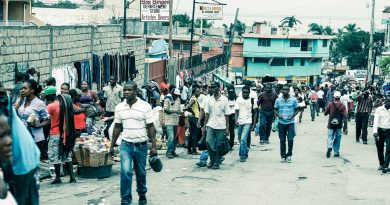
On 27 September 14ymedio, an independent Cuban news site, described a young man slumped against a wall on San Lázaro, a busy Havana avenue. Passers-by barely reacted.
Such scenes are no longer exceptional in parts of Havana, wrote Yoani Sánchez, who runs the outlet. Residents even have a street word for the state: enquimicado, roughly “chemicalled”.
On 16 September 14ymedio two young men passed out against a pillar in Centro Habana. A passer-by stole one of their rucksacks.
What el químico is
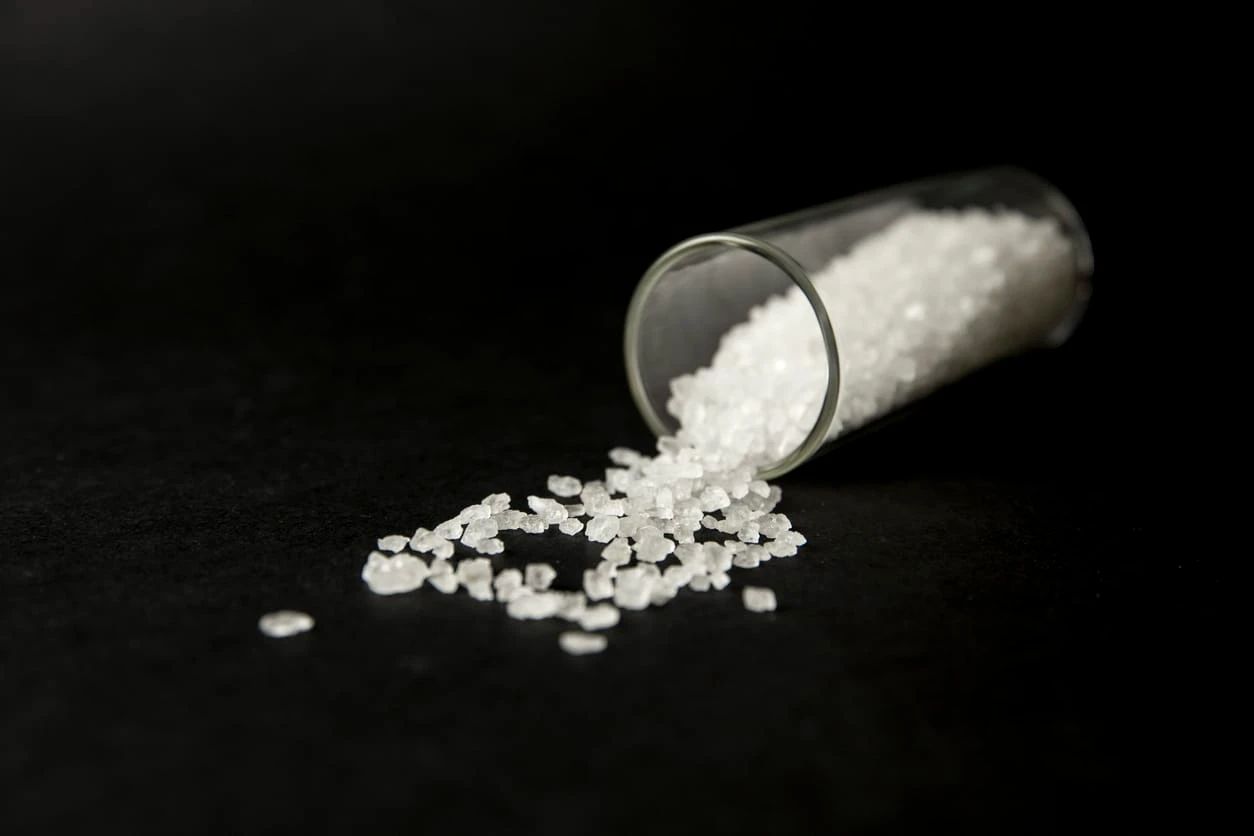
El químico is a synthetic cannabinoid, a laboratory chemical designed to mimic cannabis but often far stronger. In Cuba it is usually sold on small pieces of paper soaked in the substance, which are easy to hide.
A dose cost roughly 250 Cuban pesos (about US$0.50 at the time) in March, AP reported, less than a loaf of bread.
At today’s informal rate that is about US$0.34. The independent tracker elTOQUE recorded 730 pesos per US dollar on 26 September.
Colonel Juan Carlos Poey Guerra heads the anti-drug unit of the Interior Ministry, which runs Cuba’s police. AP reported that police laboratories had found the cannabinoids mixed with additives including formaldehyde and fentanyl.
What the government admits
The official line remains that Cuba “is not a producer, nor a transit route, nor a destination” for drugs. State television’s Mesa Redonda programme repeated it in January.
Yet officials have published figures that point the other way. The government does not count drug users. Dr Tania Adriana Peón, head of mental health and addictions at the General Directorate of Health, pointed AP to emergency-room data instead.
In 2024, 467 people sought help or were registered in Havana emergency rooms over drug use. In 2025 the figure was 886, nearly double.
At a press conference in February, Poey Guerra said police seized 76 kilograms of drugs inside Cuba in 2025. Synthetic drugs such as el químico were the most common. He said 46 types of synthetic cannabinoid had been detected.
He named the United States as the main origin of drugs caught at airports. Those figures cover seizures and hospital cases, not how many Cubans actually use the drug.
Raids and long sentences
The state’s answer has been policing. On 15 September Interior Ministry agents detained 13 people in Centro Habana, 14ymedio reported, citing pro-government channels. The ministry issued no formal statement.
They searched at least six homes, most on Reina street. They seized 184 paper strips apparently soaked in synthetic cannabinoids, plus cash and reportedly some cocaine.
That day Cubadebate, a state news site, reported a separate arrest in Pogolotti, in western Havana. Police found 108 doses after tip-offs from neighbours.
Courts are handing down heavy terms. In a case publicised in March, a court in Artemisa province jailed two people for 15 years.
They had carried 1.74 grams of a synthetic cannabinoid, enough for about 2,200 doses. The penal code sets four to 30 years for drug offences, and life or death in the gravest cases, 14ymedio notes.
The blackouts behind it
The drug is spreading in a country where the lights go out every day. For Monday evening, the state grid operator UNE forecast 1,160 megawatts of available power against peak demand of 3,130 megawatts.
That leaves about 2,000 megawatts cut, close to two-thirds of what the island needs. On Sunday, UNE said, supply fell short around the clock.
Long power cuts also stop water pumps. Los Sitios, the Centro Habana area of the September raid, has severe water shortages, 14ymedio noted.
For the wider picture of Cuba’s economy and exodus, see Cuba Explained 2026.
What comes next
The authorities say their Havana investigations continue, and pro-government channels say further searches and arrests are not ruled out. State media have praised neighbours who helped police find a dealer.
The figures do not prove a nationwide epidemic, and there is still no official count of users. They do show a problem the government itself measures, and it is growing.
For visitors, the practical risk is legal rather than personal. Britain already advises against all but essential travel to Cuba; see its latest advice.
Frequently Asked Questions
What is el químico in Cuba?
It is the street name for synthetic cannabinoids, laboratory chemicals that mimic cannabis but are often much stronger. In Cuba they are usually sold on small strips of paper soaked in the substance.
How big is Cuba’s drug problem?
There is no official national figure for drug use. Drug-related emergency cases in Havana nearly doubled, from 467 in 2024 to 886 in 2025, AP reported.
What are the penalties for drugs in Cuba?
They are severe. Courts have handed down 15-year prison terms for less than two grams of synthetic cannabinoid. The penal code allows longer sentences still.
Is it safe to travel to Cuba now?
Britain advises against all but essential travel, citing power cuts and fuel and water shortages. The drug problem is concentrated in poor Havana districts. For visitors, the main risk is falling foul of strict drug laws.
Sources: 14ymedio, Yoani Sánchez, San Lázaro chronicle, 27 September 2026, 14ymedio, 13 detained in Centro Habana, 17 September 2026, 14ymedio, photo report from Centro Habana, 16 September 2026, Cubadebate, arrest in Pogolotti, 15 September 2026, Associated Press, synthetic drugs in Cuba, 12 March 2026, Mesa Redonda/ACN, Justice Ministry press conference, 17 February 2026, Mesa Redonda, anti-drug policy in 2025, 7 January 2026, elTOQUE, Artemisa sentences, 5 March 2026, Cubadebate/UNE, grid forecast, 28 September 2026, elTOQUE informal exchange rate, 26 September 2026. All retrieved 28 September 2026.
This article was produced by The Rio Times’ automated newsroom system. How we use AI · Report an error
Read More from The Rio Times
The Rio Times · Power Map
See who really holds power in Latin America
Click to open the Power Map →