
Colorado coal mine leaks nearly four times the cap
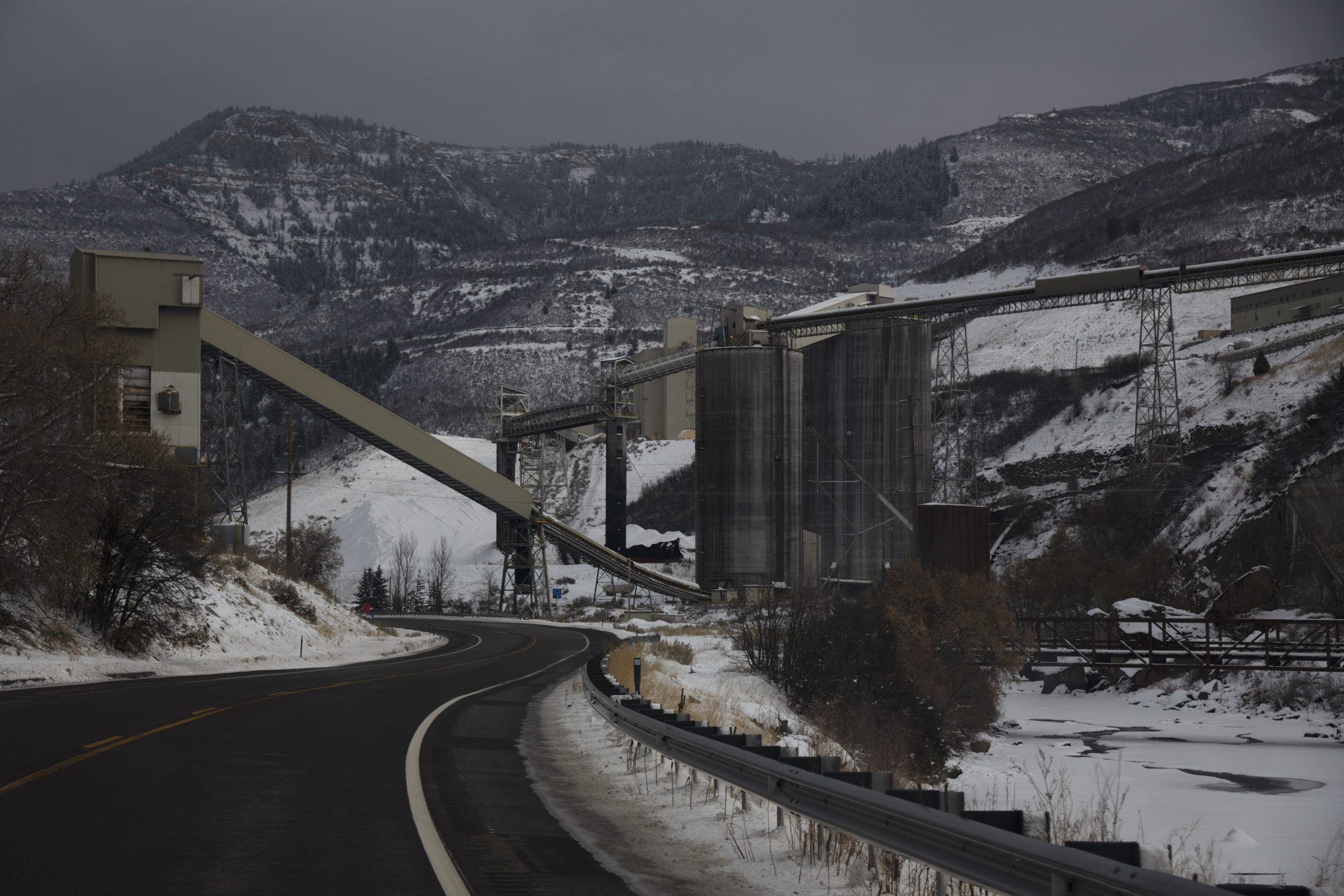
The West Elk coal mine in Gunnison County is violating methane release limits at nearly four times the permitted rate, according to state compliance notices, adding supercharged greenhouse gases to Colorado’s emissions and producing compounds that worsen ozone.
Mountain Coal’s West Elk Mine in Somerset in May reached a rolling 12-month total emissions of 1,723 tons of volatile organic compounds, according to a state compliance advisory in August that warns sanctions may be on the way. The mine’s air pollution permit under state and EPA Clean Air Act rules allows only 465 tons in 12 months.
The violations are so egregious, West Elk should not just be fined as part of state-ordered sanctions, but should also be immediately ordered to improve operations and equipment to slow the leaks under the federal Clean Air Act, an environmental coalition said Thursday.
“This is the single largest industrial source of methane in Colorado,” said Jeremy Nichols of the Center for Biological Diversity, speaking for a coalition that includes the Sierra Club, 350 Colorado, WildEarth Guardians and High Country Conservation Advocates on the Western Slope. “What’s going to happen next? Are we looking at 2,000 tons, 5,000 tons? Clearly this mine is capable of polluting the air to a much more significant degree than what the state has recognized and what’s been permitted, and that needs to be accounted for.”
Air Pollution Control Division officials should order West Elk, now part of Core Natural Resources in Pennsylvania, to install “best available technology” to limit methane leaks as the Clean Air Act requires, Nichols said.
APCD officials said they could not answer questions about their compliance letter because it’s part of an ongoing legal process. In a statement, division spokesperson Kate Malloy said, “Our twofold inspection process was driven by the magnitude of excess emissions and our desire to respond promptly. The division is still completing our full investigation into elevated air pollution emissions coming from the West Elk coal mine and the facility’s overall compliance.
“Our full investigation could identify additional alleged violations and result in an additional compliance advisory. … We are committed to ensuring that Colorado’s air is protected, and that the state enforces the Clean Air Act to its fullest extent,” Malloy said.
Messages left with Core Natural Resources were not returned.
“Methane is more than 28 times as potent as carbon dioxide at trapping heat in the atmosphere,” contributing to global warming, according to the EPA. Records show West Elk released 300,000 tons of carbon dioxide equivalent in 2023, the coalition said.
The state’s compliance letter alleging West Elk violations shows the 12-month rolling total of volatile organic compound emissions more than tripling from 535 tons in January.
Nichols said the coalition has only anecdotal observations of why emissions have increased so much at the decades-old mine, but that it could be due to easier to reach, less-volatile seams of coal having been mined out. Production records show mining activity having increased somewhat, but not enough to explain the emissions spike.
“It’s safe to say they’ve gotten the best coal over the years. They’re now going after less than best coal, and that’s probably influencing their methane emissions,” Nichols said.
Volatile organic compounds including those produced by methane can cause breathing problems and increase long-term cancer risks, while also contributing to ground-level ozone across the state that have led to repeated Front Range violations of EPA ozone caps.
West Elk itself acknowledged emission violations in its required reporting, according to a letter from the environmental coalition to state regulators urging more action.
Clean Air Act rules require a “major” emitter like West Elk, those putting out more than 250 tons of regulated pollutants a year, to submit to even more stringent controls if their output increases by 40 tons or more, the coalition argues. The state should do more than simply admonish and fine West Elk for past violations, they said.
“We urge the division to act quickly to resolve these issues. As the division’s compliance advisory and Mountain Coal Company’s own reports indicate, (rule) violations are ongoing. Every day the mine vents methane without complying with best available control technology and other permitting requirements is a day that Colorado is denied the clean air it deserves,” the coalition letter said.
Digging for underground coal disturbs methane and other gases embedded in layers of carbon resources. Methane releases continue for decades after mines are closed up. West Elk continues to mine, as the Trump administration orders coal-fired power plants to stay open and encourages industry growth, and the mine must vent gas to protect miners. But it also has extensive older shafts that are vented through wells drilled from the surface.
Environmental groups in the past have pushed for increased flaring of methane released at West Elk in order to transform the potent methane into less-potent carbon dioxide.