Spain’s latest household pest nightmare is leaving residents covered in unexplained bites « Euro Weekly News
Do not overlook human beds and frequently used furniture. Photo credit: Iurii Stepanov/Shutterstock
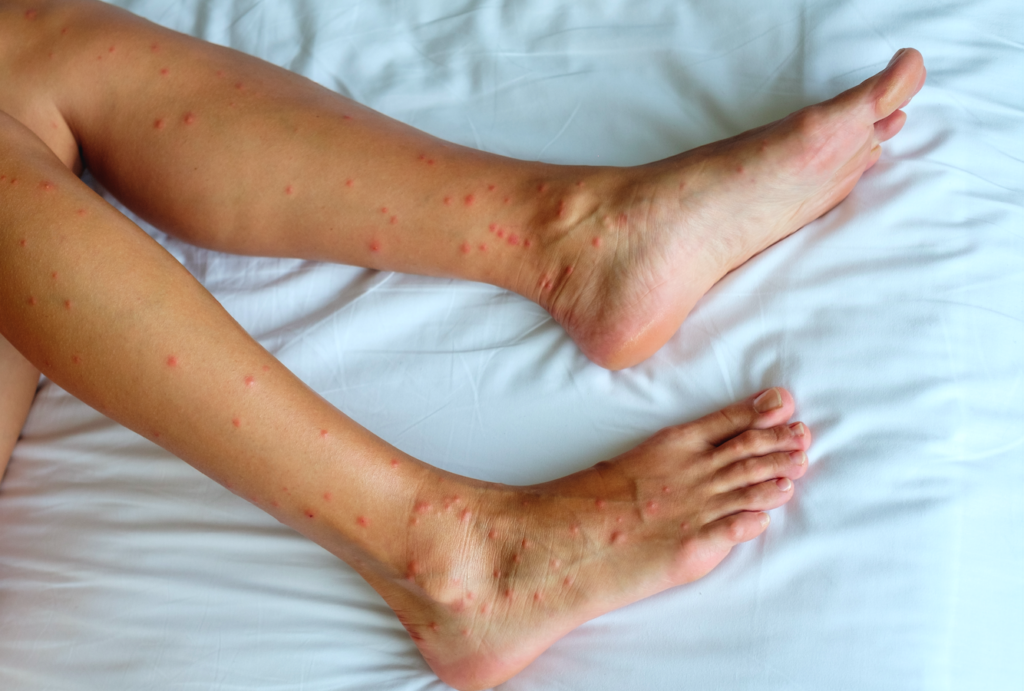
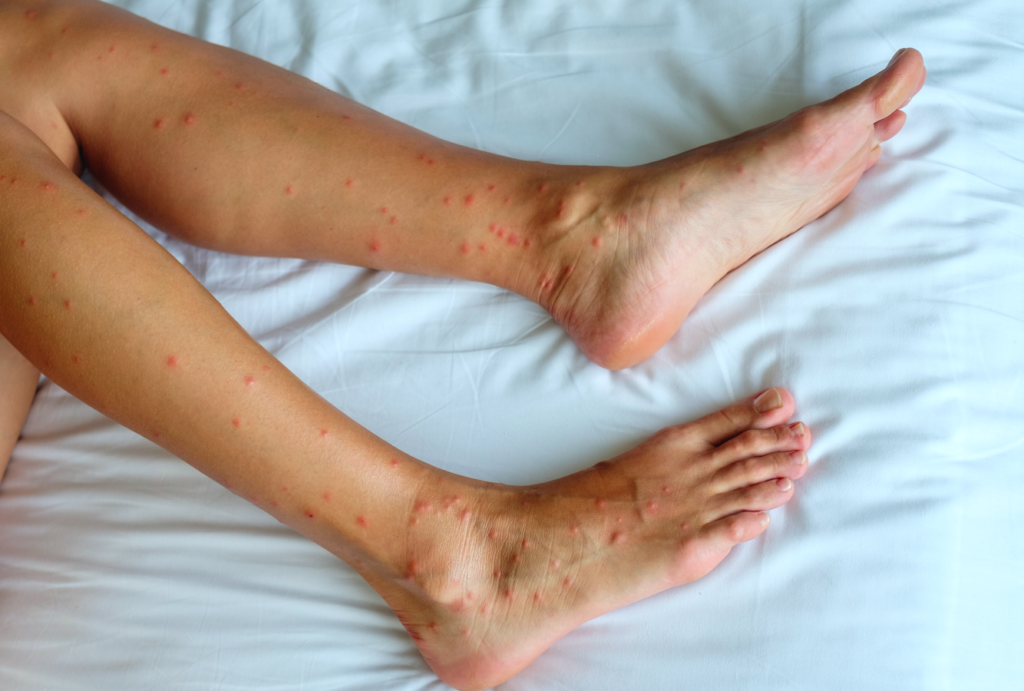
There are some pests that we almost expect to encounter in our homes, even if we would rather they weren’t there. Cockroaches, weevils and even ants can make an unwelcome appearance from time to time, particularly during the warmer months. But now another unwanted visitor is becoming an increasingly common headache in Spanish households: fleas. Unlike the occasional ant making its way across the kitchen counter, fleas can be considerably harder to get rid of.
They are turning up in carpets, sofas, mattresses and clothing, leaving residents covered in itchy bites and wondering where they are coming from. And you do not even need to own a pet to find yourself dealing with an infestation. Fleas can enter homes through contact with animals, clothing and footwear, then establish themselves in places where they can breed undisturbed. In one particularly frustrating case, a homeowner threw out a relatively new mattress, convinced that bedbugs were responsible for the bites. The real culprit? A flea hiding in their pyjamas.
Why fleas are turning up inside homes
According to health guidance from the Community of Madrid, fleas are not confined to animals. They can bite humans and colonise homes, with adult fleas measuring just two to three millimetres. Dogs and cats are common carriers, but they are not the only possible source. Fleas can also arrive through clothing and footwear or through contact with other animals.
Carpets, sofas, mattresses, cushions and cracks in flooring provide ideal hiding places for flea eggs and larvae. Although adult fleas feed on animal or human blood, their immature stages do not need to remain on a host to survive. Female fleas lay eggs on their hosts, but these are not sticky and fall into the surrounding environment, where larvae develop out of sight. They eventually form protective cocoons as pupae, which can remain hidden in carpets and other sheltered areas until conditions are right for adult fleas to emerge.
This means an infestation can continue even after an animal has left the property, or in a home where no pets live at all. Vibrations, warmth and the presence of a potential host can stimulate adult fleas to emerge from their cocoons. It also explains why treating an animal alone does not necessarily solve the problem. The Sant Joan de Déu health service warns that fleas can survive in household environments, including carpets and cupboards, even without pets living in the property.
How to recognise a flea problem
One of the first clues is a series of small, itchy red bites, often appearing around the ankles and lower legs or on the upper body but usually always in three’s . They may occur in clusters or lines, although reactions vary between individuals. Small black specks, sometimes described as flea dirt, are another warning sign. These are flea droppings and may be found where animals rest or in areas where fleas are developing.
Unlike bedbugs, fleas jump rather than crawl. Spotting a tiny insect moving rapidly across a carpet or jumping from clothing can help identify the culprit. However, not every unexplained bite means fleas. Bedbugs, mosquitoes and other insects can produce similar reactions, so identifying the insect before spending money on treatments or replacing furniture is important.
How to prevent fleas entering your home
Prevention means keeping potential entry routes under control and regularly cleaning places where fleas could establish themselves.
- Vacuum regularly: Concentrate on carpets, rugs, sofas, underneath furniture, skirting boards and upholstery.
- Wash household textiles: Clean bedding, blankets, removable sofa covers and pet bedding. Where the material permits, washing at 60C can help eliminate fleas and larvae.
- Check clothing and footwear: After visiting areas frequented by animals, avoid bringing potentially contaminated clothing directly into bedrooms or onto furniture.
- Maintain gardens and patios: Keep areas where animals rest clean and check shaded spots where stray cats or other animals may gather.
- Inspect pets: Use a flea comb regularly and ask a vet about suitable preventative treatments.
It is also recommended vacuuming potentially affected surfaces thoroughly for one to two weeks and washing exposed textiles at 60C where possible.
What to do if you already have fleas
If you suspect an infestation, tackle the entire environment rather than concentrating only on the area where you have noticed bites. Vacuum under sofa cushions, along skirting boards, beneath beds and around carpet edges. Empty the vacuum cleaner immediately afterwards, sealing its contents in a plastic bag before disposing of them outside.
Wash affected bedding, clothing, rugs and removable covers at the highest temperature the fabric can safely tolerate. Do not overlook human beds and frequently used furniture, even if you do not have pets. If you own animals, every pet in the household needs to be included in the treatment plan. Speak to a vet about an appropriate flea treatment for each animal. Never assume a product suitable for dogs is safe for cats, as certain insecticides can be highly toxic to felines.
Treating animals and cleaning the home must happen at the same time. Otherwise, fleas emerging from eggs and pupae in the environment can reinfest the property. The US Centers for Disease Control and Prevention (CDC) recommends combining household cleaning, animal treatment, environmental treatment and follow-up. Moderate to severe infestations can take months to bring under control.
When household cleaning is not enough
For persistent infestations, professional pest control may be necessary. Specialists can treat areas ordinary cleaning cannot reach, including carpet bases, floor cracks and spaces beneath furniture. In Spain, it is recommended that homeowners use a company registered in the Registro Oficial de Establecimientos y Servicios Biocidas, ensuring authorised biocidal products are used.
Simply spraying a room with supermarket insecticide is not necessarily enough. Different products target different stages of the flea life cycle, and some will not eliminate eggs or pupae.
Do fleas pose a health risk to people?
Although flea bites are usually more irritating than dangerous, persistent itching can become extremely uncomfortable. Scratching can damage the skin and increase the risk of secondary infection. The European Centre for Disease Prevention and Control (ECDC) recognises that fleas can transmit certain pathogens, although the risk varies between species and geographical locations.
Anyone experiencing severe swelling, signs of infection, fever or other concerning symptoms after being bitten should seek medical advice. The key is to identify the source early and treat both the affected environment and any animal carriers. Otherwise, what starts as a few irritating bites can become a prolonged and expensive household problem.