CA overhauled its conservatorship law. Has anything changed?
Today we honor all of you who served in the armed forces and give our sincere thanks for answering your country’s call. 🇺🇸
We had a breaking story last night on a lawsuit against Insurance Commissioner Ricardo Lara that alleges his office illegally approved rate hikes. Check it out here.
Today we’re publishing a special report on changes to a California mental health law that determines when someone can be forced into involuntary treatment. It’s among several laws Gov. Gavin Newsom signed to overhaul the state’s mental health system.
But that’s not all. We also have a breakdown on veterans and military kids in the California State University system, and a look at how school bonds fared on the ballot last week.
Thanks for reading and enjoy the holiday.
It can be incredibly difficult in California to secure treatment for people who have severe mental illnesses. New legislation, signed three years ago, was supposed to help.
The idea of Senate Bill 43 was to make more people eligible for involuntary, one-year mental health conservatorships. But a CalMatters analysis found that so far, it doesn’t seem to be getting many more people into long-term treatment.
- Toni Navarro, director of behavioral health for Santa Barbara County: “It was not at all as big an impact as we thought it could be.”
CalMatters requested data from the state’s 25 most populous counties. Of those that provided information, the majority showed no significant increase in the number of conservatorships after the new law took effect.
Behavioral health officials in multiple counties said the law still has done some good. For one thing, it forced mental health and substance abuse professionals to work closer together, which is key when helping the many Californians who have both a mental illness and an addiction.
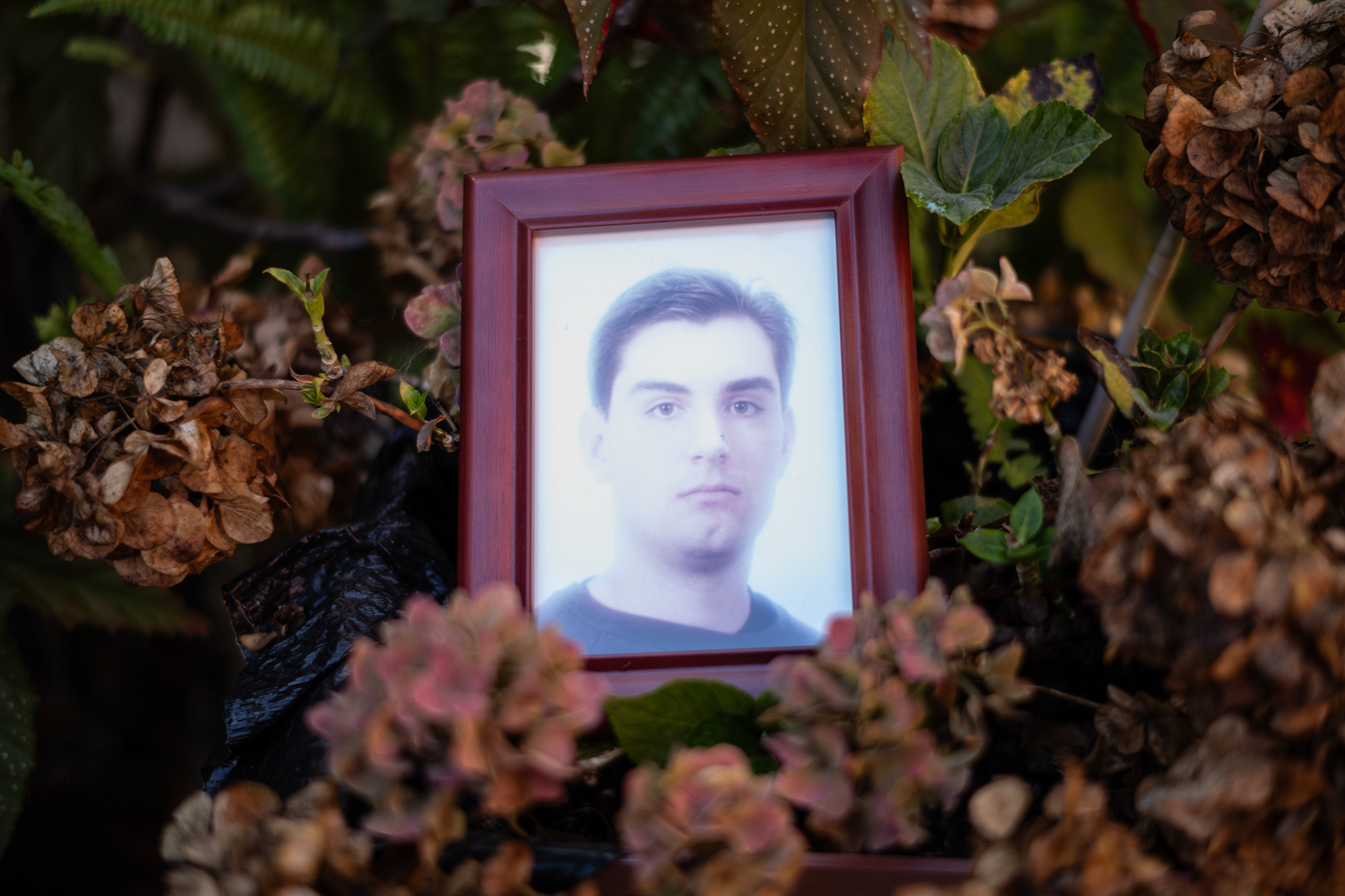
But some families of people with severe mental illnesses hoped the legislation would do more. Joaquin Anthony “Tony” Pereyra was shot by Walnut Creek police during a mental health crisis in February. His mother, Annis Pereyra, believes the new law could have saved his life, if the county had used it to compel him to take an antipsychotic medication.
- Pereyra: “His needs were ignored at every turn that happened. Every single turn.”
Read more from CalMatters’ Marisa Kendall and Jocelyn Wiener.