The curious names given to people in French towns

French towns and cities have their own names for the people who live there, known as ‘gentilés’, and some are considerably harder to guess than others.
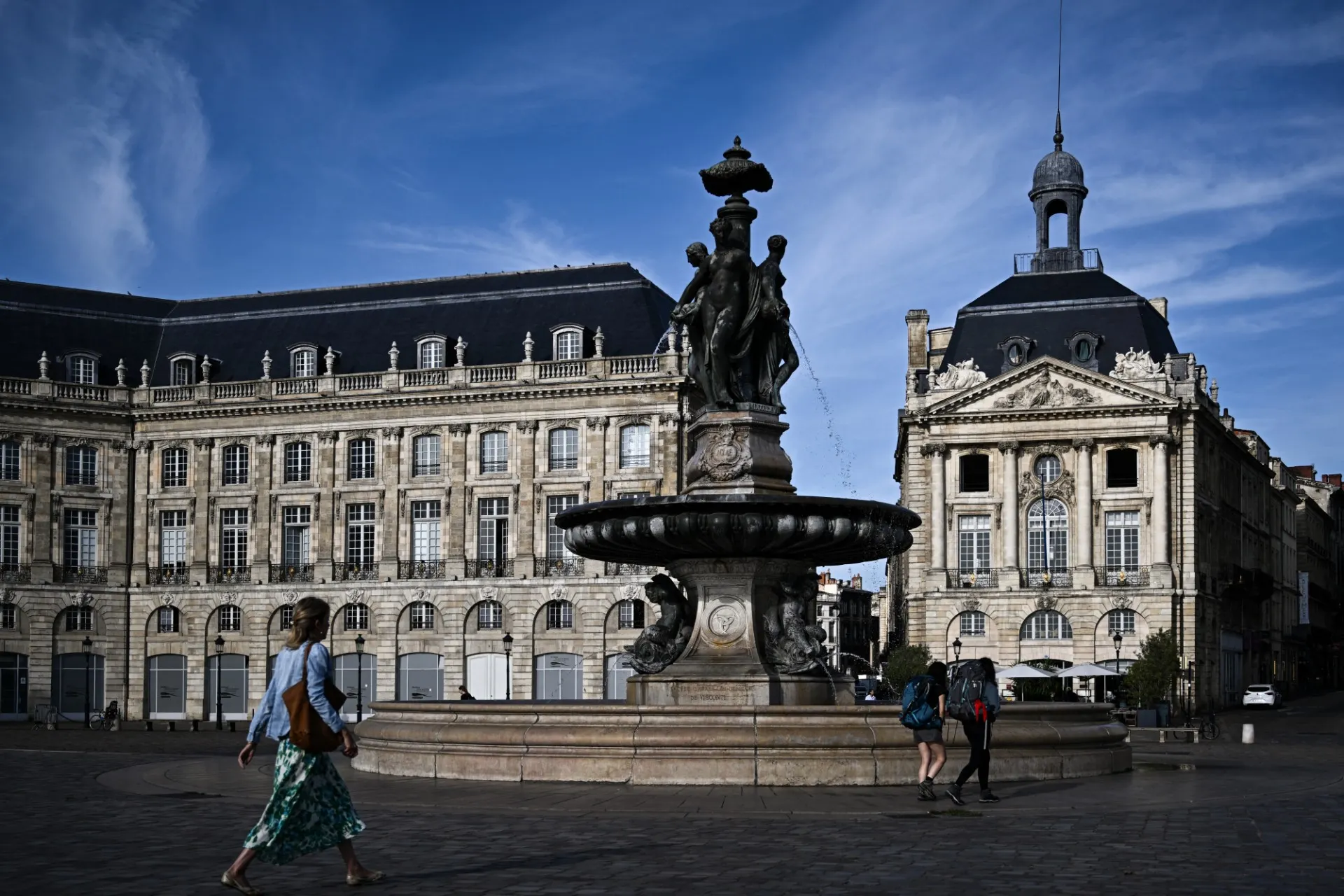
If you live in Paris, you’re a Parisien or a Parisienne. If you’re from Bordeaux, you’re a Bordelais or a Bordelaise. And if you come from Lyon, you’re a Lyonnais/Lyonnaise. So far, seems pretty simple right?
But as we know the French language is not always straightforward and is filled with rules and exceptions that don’t always make sense.
In fact, some are so unusual that you might struggle to recognise the name of the town they come from.
Don’t miss our journalists’ daily news roundup from France
The common endings
There are a few recurring patterns when it comes to French gentilés, although unfortunately there is no universal rule for working them out.
Some of the most common endings are -ien and -ienne, as in Parisien and Parisienne, or -ais and -aise, as in Bordelais and Bordelaise.
You’ll also come across -ois and -oise, as in Lillois/Lilloise (someone from Lille) and Niçois/Niçoise (someone from Nice), as well as -ain and -aine, as in Toulousain and Toulousaine.
Other familiar examples include Marseillais (Marseille), Nantais (Nantes), Brestois (Brest), Calaisien (Calais) and Arlésien (Arles).
These endings are simply different ways of forming a name for the inhabitants of a place. They don’t have distinct meanings, and you cannot always predict which one a particular town uses.
The less obvious ones
But some gentilés have surprisingly little resemblance to the names of the places themselves.
Take Béziers, in southern France. Its residents are known as Biterrois (men or mixed groups) and Biterroises (women).
People from Chamonix, meanwhile, are Chamoniards and Chamoniardes, rather than what you could expect – Chamonixiens.
Other examples include:
Besançon – Bisontins and Bisontines
Dijon – Dijonais and Dijonaises
Saint-Malo – Malouins and Malouines
Le Mans – Manceaux and Mancelles
Poitiers – Poitevins and Poitevines
Périgueux – Pétrocoriens and Pétrocoriennes
Aix-en-Provence – Aquisextains and Aquisextaines
And then there are the really strange ones…
If you thought Biterrois was difficult to guess, wait until you get to some of France’s smaller communes.
Residents of Bayeux, in Normandy, are called Bajocasses, while people from Saint-Cloud, just outside Paris, are Clodoaldiens.
In Puteaux, another Paris suburb, inhabitants are Putéoliens. Those living in the Seine-Saint-Denis département are known as the Séquano-Dionysiens.
Perhaps the most amusing examples come from places whose names already sound a little unusual.
In the Somme département, there is a tiny commune simply called Y (pronounced like the letter e in English). Its inhabitants are known as Ypsiloniens.
READ ALSO: From butts to scams: France’s funniest commune names
In the Nièvre département, the village of Poil has residents called Pixiens.
And in Manche, people from a commune called Villechien (literally translating as ‘dog town’) are known as Toutouvillais – a name that is particularly fitting given that toutou is an affectionate French word for a dog.
Listen to The Local France’s team talking about gentilés on the Talking France podcast.
So if you live in France, don’t worry if you don’t know your town’s label, sometimes even the French need to look it up.