Could Spain free up thousands of homes for rent? « Euro Weekly News
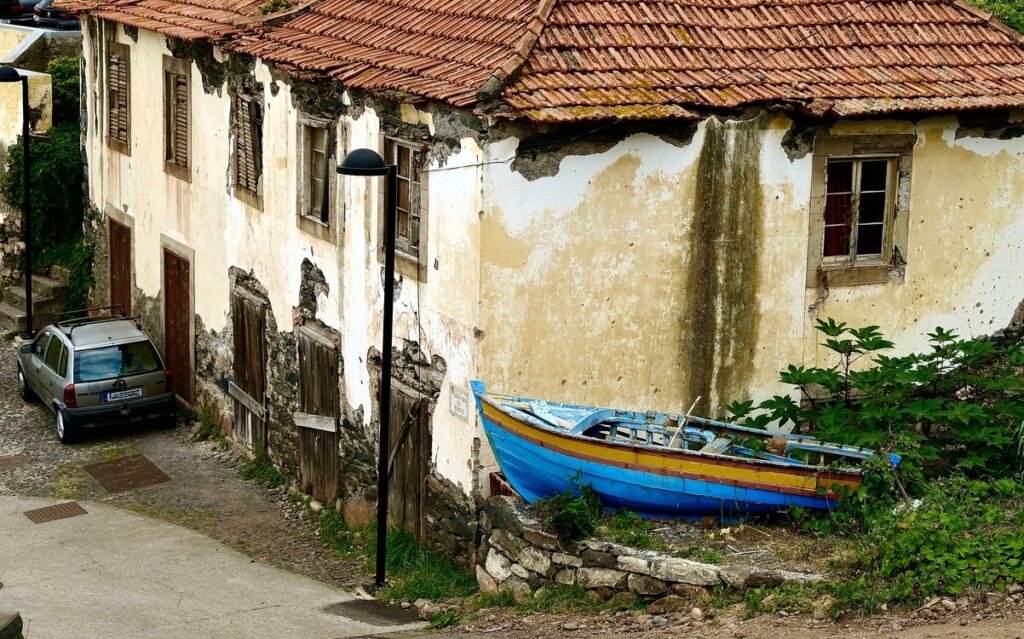
Portugal is changing the rules on inherited property to tackle homes left empty because relatives cannot agree on what to do with them. The move raises an important question for Spain, where family disagreements can also leave properties tied up for years.
The Portuguese government approved a new procedure on October 22 designed to make it easier to sell properties held in undivided inheritances. Under the proposed process, an individual heir could request a sale without needing every beneficiary to agree.
The reform could prove particularly relevant to foreign residents who have inherited property in Portugal but live abroad, making complicated family and legal disputes even harder to resolve.
How Portugal plans to unblock inherited homes
Under Portugal’s new legislation, a special sale procedure can generally be initiated after two years have passed since the inheritance opened, subject to exceptions and other legal conditions. The legislation is intended to prevent one heir from blocking a property’s sale indefinitely simply by refusing to cooperate.
For example, if three siblings inherit a house and two want to sell while the third insists on keeping it, the disagreement can prevent the family from reaching a settlement. The new procedure is designed to offer a way forward without requiring unanimous agreement. Thousands of empty homes are also in this situation in Spain.
The government has cited approximately 485,000 vacant homes in Portugal, based on 2021 census data. However, that figure covers vacant properties generally, not just homes trapped in inheritance disputes. It is not yet clear how many properties the reform could bring onto the market.
Could Spain introduce similar measures?
Spain faces a comparable problem, particularly where several relatives inherit a property and disagree over whether to sell, rent it out or allow one family member to keep it.
However, Spain already has legal mechanisms for resolving these disputes. Under Article 1051 of the Spanish Civil Code, co-heirs generally cannot be forced to keep an inheritance undivided indefinitely. Article 1062 also allows an heir to request a public auction when an inherited asset cannot be divided, subject to the applicable legal requirements.
This means Spain does not necessarily need to introduce the same rights from scratch, just speed up its notoriously slow judicial system. Whether procedures could be made faster, simpler and less expensive for families who cannot agree is the question.
Inheritance disputes can involve court proceedings, property valuations, legal fees and disagreements over how much a home is worth. Where beneficiaries live in different countries, the practical difficulties can be even greater.
What it means for British property owners
For British residents with property in Spain or Portugal, the issue is particularly relevant when planning an inheritance. EWN has previously explained, which can affect foreign owners and their beneficiaries.
A holiday home left to several children might become a source of conflict if some want to sell while others want to retain it. Meanwhile, the property could sit unused, accumulating maintenance costs and potentially deteriorating.
The Portuguese reforms may offer a useful comparison for Spanish policymakers, but the two countries’ inheritance laws are different. Anyone facing a dispute should seek advice from a qualified lawyer in the relevant country, particularly where an estate involves beneficiaries or assets in more than one jurisdiction.
Could more inherited homes reach the rental market?
Portugal’s approach reflects a wider European challenge: how to resolve inheritance disputes without disregarding the rights of individual beneficiaries. For Spain, the potential benefit of faster procedures would be practical rather than simply statistical.
Spain has already introduced measures intended to encourage certain long-term vacant properties back onto the housing market. However, these measures do not automatically resolve inheritance disputes.
Properties that are currently difficult to sell could become easier to resolve, although the number affected would need to be established.
The key question is whether Spain could make existing legal remedies work more quickly, helping families settle disputes and allowing more inherited properties to be sold or occupied.