Aurora tests new Colorado wetland protection rules in Park County
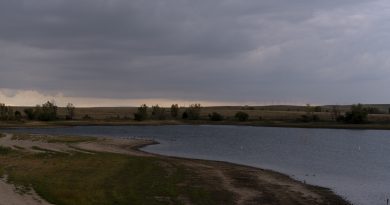
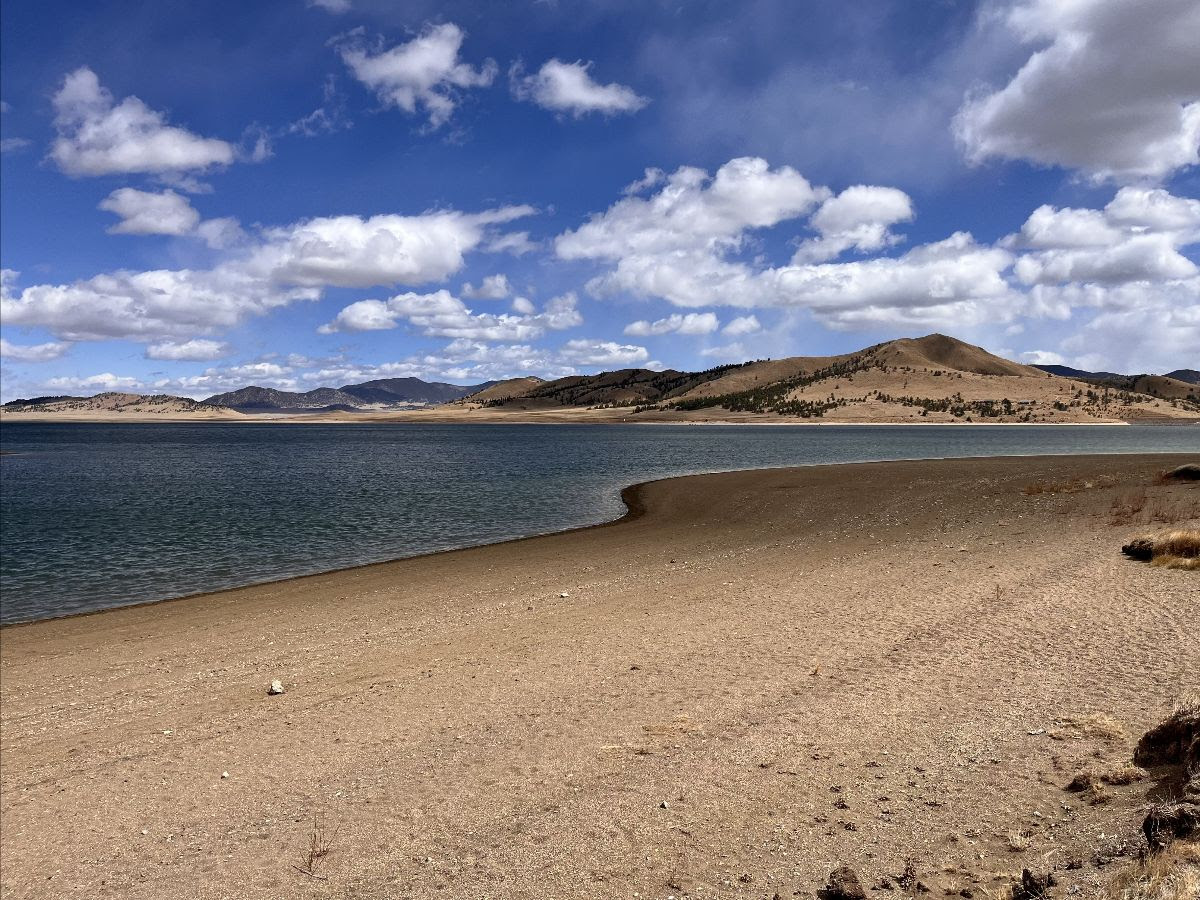
Aurora’s proposed Wild Horse Reservoir project in Park County is drawing close scrutiny this fall as it undergoes review under a new state law designed to protect critical wetlands and streams no longer shielded by the federal Clean Water Act.
This Fresh Water News story is a collaboration between The Colorado Sun and Water Education Colorado. It also appears at wateredco.org.
According to the Colorado Department of Public Health and Environment, Wild Horse represents the first major project to be reviewed under Colorado’s new hard-fought wetland regulations, known as Regulation 87, approved in December. They are meant to replace federal rules wiped out by a U.S. Supreme Court case in 2023, Sackett v. EPA, and subsequent actions by the EPA. The CDPHE is responsible for enforcing the new regulation.
Colorado is one of the only states that has succeeded in crafting new rules. That work comes as the federal government continues to narrow protection of wetlands once provided by the Clean Water Act.
“As the federal government continues to roll back (protections), Colorado is going to need to step up. This is an incredibly important milestone for Colorado. All eyes are on this application,” said Sabrina King, water campaign manager for Conservation Colorado, one of the environmental groups that helped craft the bipartisan measure ultimately approved by Colorado lawmakers last year.
The $600 million-plus Wild Horse Reservoir project would store 93,000 acre-feet of water and will be nearly twice the size of the city’s existing Park County storage pond, Spinney Mountain Reservoir, which holds 53,651 acre-feet of water. An acre-foot equals nearly 326,000 gallons of water, enough to serve at least two to four urban households for one year.
The proposed reservoir is among the latest moves by the city to secure future water supplies to meet growth-driven demand as streams and rivers shrink because of climate change.
Aurora Water officials say the reservoir fills a critical need for additional storage and that it won’t involve taking additional water supplies from its water in the Eagle River and Homestake Creek. Instead, they say, the reservoir will store water now held in nearby Spinney Mountain Reservoir, freeing up space for water it currently owns and uses, but which it doesn’t always have the room to store.
Some of that newly accessible water will be used to help expand Aurora’s large-scale recycled water program, spokesperson Zachary Henry said, fulfilling its promises to reduce water use even as it expands its collection system.
Still, powerful Western Slope water agencies, including the Colorado River District and the Eagle River Water and Sanitation District, and environmental advocacy group Save rhe Colorado have expressed concerns about the proposed reservoir and its impact on the state’s drought-stressed water supplies.
“There is a question if this project involves additional new diversions or are they just moving water that they were already storing and moving in the Homestake Valley,” said Gary Wockner, president of Save the Colorado. “Aurora appears to be claiming that this doesn’t involve new diversion of water, but it is not clear. … The public needs to know.”
Due to these concerns and those of other interested parties, the CDPHE agreed to extend the public comment period to Nov. 19 to give more time for the application to be examined, CDPHE spokesperson Kaitlyn Beekman said.
Under the new rules, regulators have roughly two years to complete the review process. Aurora officials said they expect construction to take five to six years and that the reservoir is likely to take five to 10 years to fill.