
Alabama schools lead in AI education with statewide initiative
LEEDS, Ala. —
Alabama is gaining national attention for its efforts to integrate artificial intelligence into classrooms through a partnership between the Alabama State Department of Education and Birmingham-based QuantHub.
Dr. Desmond Parker, a biology teacher at Leeds High School, first encountered QuantHub at a teacher workshop several years ago.
“I really enjoyed their presentation. And so I decided to try to use it in my classroom,” Parker said.
QuantHub develops AI and data literacy curriculum for schools. Stephanie Triplett, QuantHub’s K-12 AI literacy and career and technical education partnerships coordinator, said teachers find the program both relevant and useful.
“Most teachers, when they sit down and really look at what is being offered, they’re really excited about it and really find it relevant and useful for multiple different disciplines,” Triplett said.
Parker said the platform has been easy to use and beneficial for his students.
“It was very easy. And kids got certificates through working through their different modules,” Parker said. “All of the materials are aligned to the course of study standards. I really, truly think if a teacher is trying to incorporate the data analytics to the data-driven science and math classrooms, this is the perfect tool to do so.”
Parker’s success with the AI platform caught the attention of the entire Leeds City Schools district. This summer, the district used QuantHub to develop its summer school curriculum for middle school students.
“Kids are still talking about it, and we have kids on the outside who didn’t have to attend summer school, like, ‘Hey, how can I be a part of that? How can I join?'” said LaToya Turner, director of special programs for Leeds City Schools.
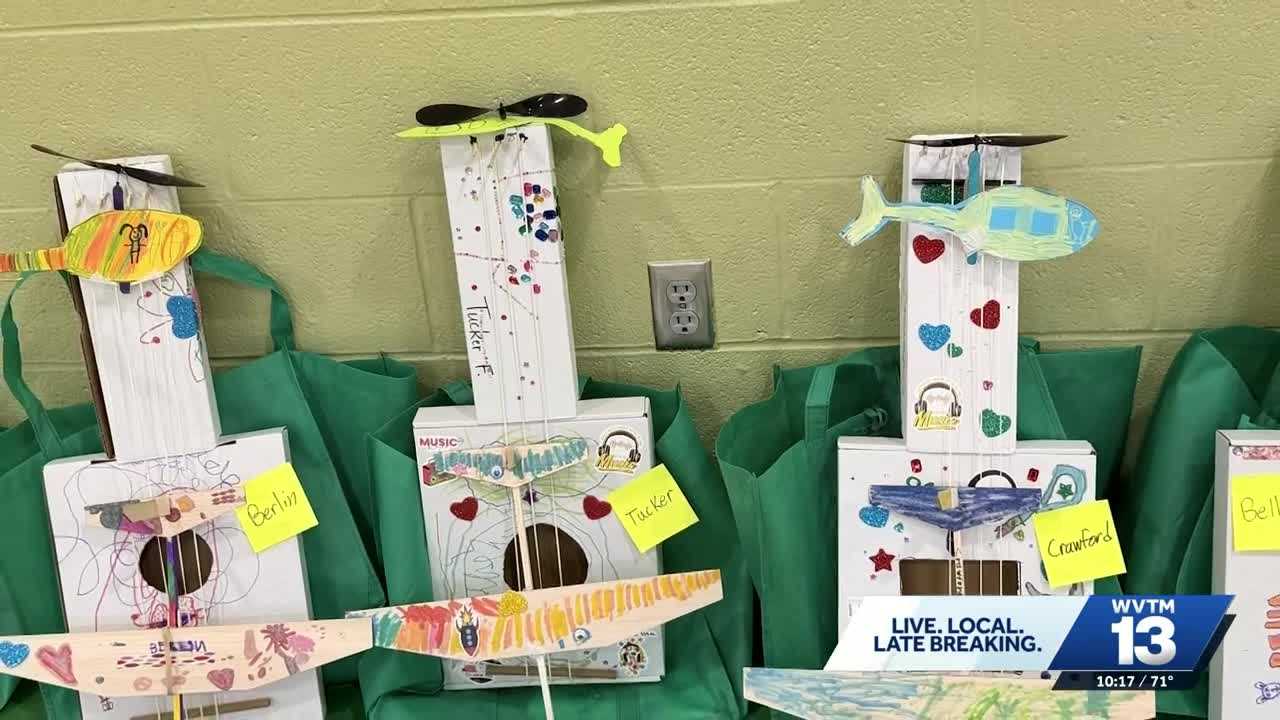
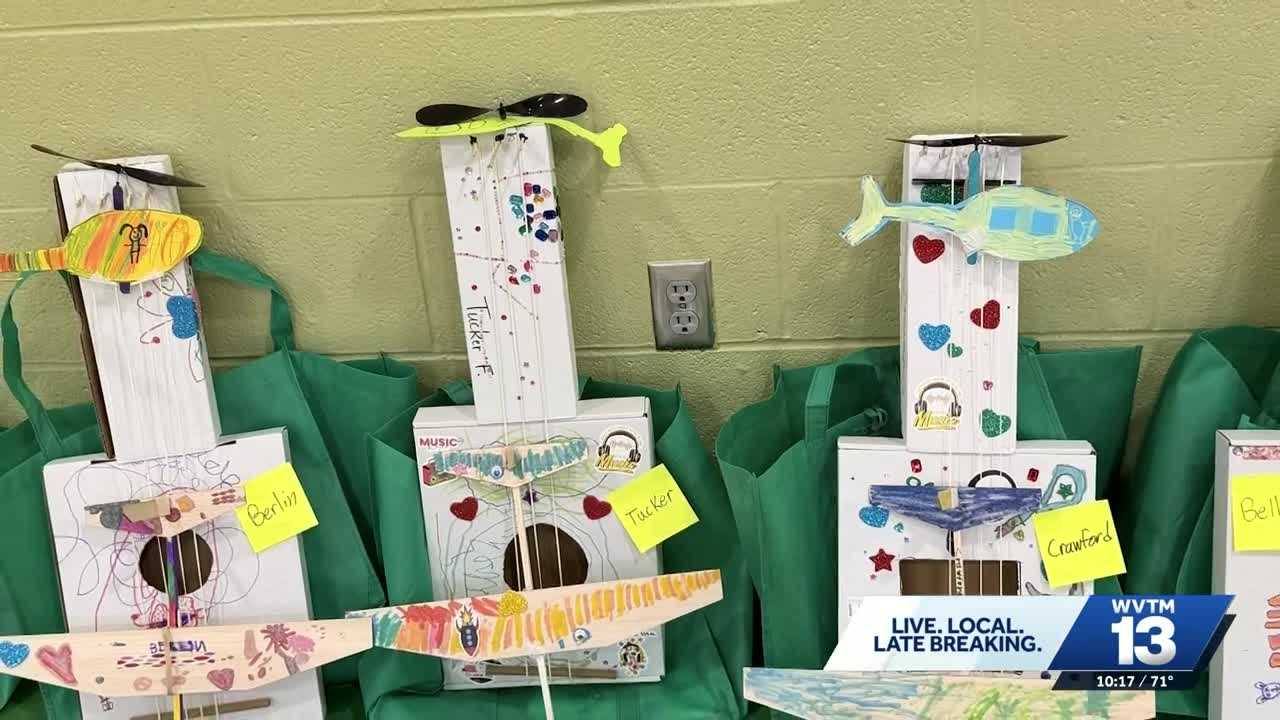
The AI platform was also used in the district’s summer enrichment program for younger students, including kindergarteners, who built guitars, fidget spinners, and rockets.
“The kids are engaged. Behavior becomes minimal. When kids have their hands busy, they become very involved in what they’re doing, and they take pride in what they’re doing,” said Elizabeth Gilmore, a data ambassador and gifted specialist for Leeds City Schools.
Leeds City Schools is now looking to expand its use of AI even further.
“It was really eye-opening and enlightening, too, whereas now we’re just trying to even evaluate how do we grow to our next level so that now we are growing as a district to incorporate AI in different aspects,” Turner said.
QuantHub and the Alabama State Department of Education have partnered for the last four years to integrate AI literacy curriculum in classrooms statewide. During a Senate subcommittee hearing this summer on “The Future of K-12 Education in the Age of Artificial Intelligence,” QuantHub CEO Joshua Jones described Alabama’s efforts as the most ambitious statewide initiative in the country.
“Teachers and administrators have earned thousands of professional development hours. Students are earning industry-recognized credentials in data and AI literacy before they leave high school,” Jones said.
QuantHub currently serves 476 schools in Alabama, and that number continues to grow as more schools adopt the program.
Veronique Zimmerman-Brown, QuantHub’s director of K-12 operations, emphasized the importance of teaching students not just about AI but also how to use it responsibly.
“It’s not going away. More and more, our industry partners are telling us that these are skills that our students need to have,” Zimmerman-Brown said. “So just like your ABCs and your one, two, three, these are things that we expect students to know.”
She also highlighted the importance of teaching students about data security and critical evaluation of AI outputs.
“One of the basic lessons that we like for all of our students to go through, and we’ve broken this down so that it’s age-appropriate, is data security,” Zimmerman-Brown said. “We also teach students that AI is an assistant. It is their responsibility to check what is being output. They need to check dates. They need to check sources. If they are not provided with sources, that’s a red flag. If we do this in a responsible manner, if we take this seriously, we can help gain control back so that AI is not the controller—we’re the controller.”
Dr. Parker is already passing these lessons on to his students.
“I am the human. So I make the final decision,” Parker said. “AI is not to replace the human. It is to help and assist.”