Tesla drivers wait European vote on self-drive cars « Euro Weekly News
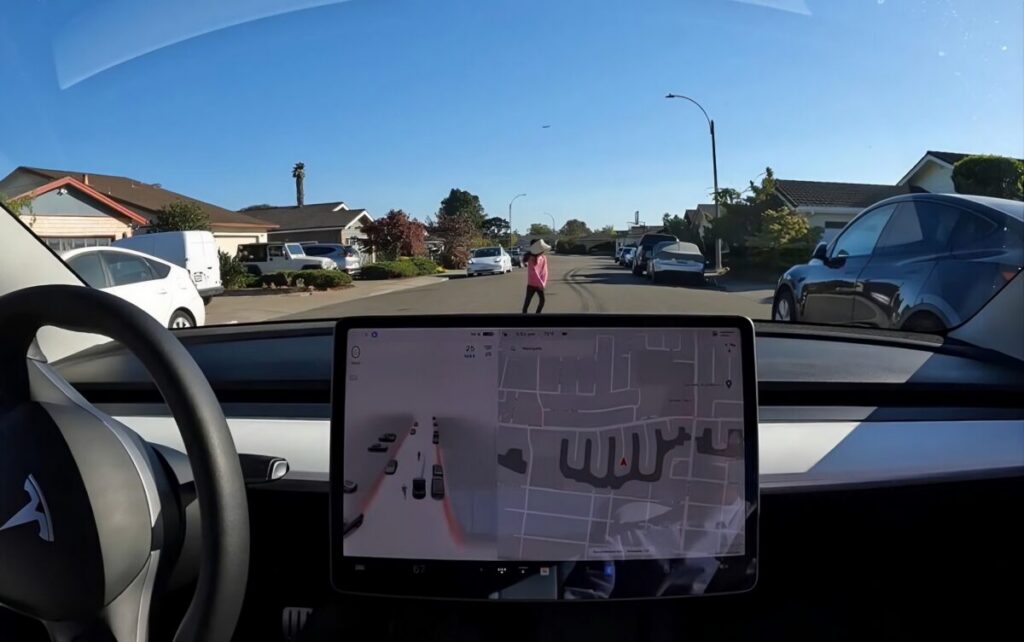
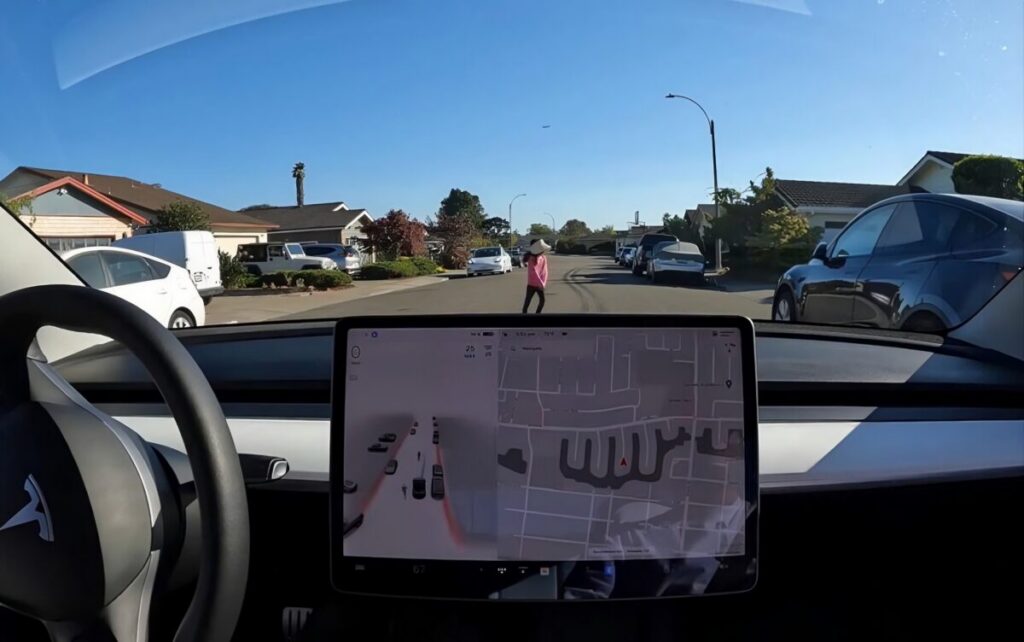
Tesla drivers across Europe could be watching October 6 closely, when EU officials are due to discuss the future of the company’s controversial Full Self-Driving (Supervised) system.
Technology like this has been edging towards a wider European rollout after receiving provisional approval in the Netherlands, with several other countries following suit. But there is a catch.
Tesla had previously suggested that October 6 could bring a crucial EU-wide vote on whether the system can be recognised across the bloc. However, the latest agenda for the EU’s Technical Committee on Motor Vehicles does not include a vote. Instead, officials are due to continue discussions about the Dutch request, with just 25 minutes allocated to the item.
Tesla FSD vote appears to be delayed
The committee’s next scheduled meeting after October is in December, meaning that is now the earliest apparent opportunity for an EU-wide decision. The delay is another setback for Tesla, which has been pushing for wider European approval of FSD (Supervised). Basically, being allowed to take your hands off the wheel, but not take a nap. The system is not actually a fully autonomous driving system. Despite the Full Self-Driving name, the driver must continue to supervise the car and remains responsible for what happens on the road.
Tesla received provisional approval from Dutch vehicle authority RDW on April 10 under Article 39 of EU vehicle type-approval rules. This provides a route for approving new technologies that are not fully covered by existing regulations. The Netherlands has since been joined by Lithuania, Estonia, Denmark, Belgium, Slovenia and the Czech Republic in recognising the approval. However, that is still a long way from an EU-wide green light.
Spain is among the countries still waiting
Spain has not recognised the Dutch approval, meaning Tesla owners here cannot yet expect the same FSD availability as drivers in the countries that have adopted it. Germany, France and Italy are also yet to recognise the Dutch approval, making the positions of Europe’s biggest car markets particularly important.
An EU-wide approval requires a qualified majority of at least 15 of the 27 member states, representing at least 65 per cent of the bloc’s population. The seven countries that have so far recognised the Dutch approval account for only around 12 per cent of the EU population.
Speed limits are one of the biggest concerns
Safety campaigners have raised particular concerns about how Tesla’s system handles speed limits. As the situation in Spain currently stands, there is sometimes a mismatch between what GPS-based maps show, and what physical signposts show, something of a dilemma for Tesla’s onboard computer.
Also, the European Transport Safety Council (ETSC) has called on Brussels and EU governments to reject two speed-related functions in FSD Supervised.
One is a ‘speed offset’ function which, according to the ETSC, can allow a driver to set the system to travel up to 50 per cent above a detected speed limit. That could mean a car travelling in a 50 km/h zone being allowed to set a 75 km/h ceiling. The ETSC says this conflicts with UN rules governing driver-assistance systems in Europe.
Another concern involves Tesla’s ‘contextual max speed’ function, which can take surrounding traffic into account when determining the vehicle’s speed. Critics argue that could create a situation where a Tesla follows other drivers who are themselves breaking the speed limit.
Tesla says FSD is safer
Tesla has been using its own European safety data to argue for wider approval. The company said in September that more than 70,000 customers were using FSD Supervised and claimed the system had been involved in 4.1 times fewer collisions than manually driven Teslas over more than 100 million kilometres. Those figures have not been independently verified, however.
For Tesla owners in Spain, therefore, October 6 is unlikely to be the decisive day they were hoping for.
The technology will be discussed, but an EU-wide vote now appears unlikely before December, leaving Spanish drivers waiting a little longer to discover when, or even whether, Tesla’s advanced driving system will become available on their roads.